Resignation of HDFC Chairman Atanu Chakraborty Sparks Market Scrutiny


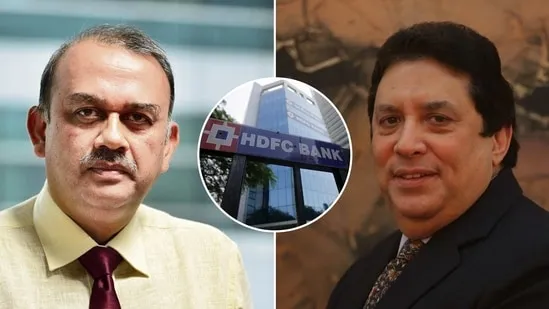
On March 19, 2026, HDFC Bank’s chairman, Atanu Chakraborty, resigned suddenly, leading to significant market turmoil and questions regarding the bank's governance practices. HDFC Bank's managing director and chief executive officer, Sashidhar Jagdishan, expressed confusion over the resignation during a conference call with journalists, stating, 'We are not sure what triggered the resignation.' The interim chairman, Keki Mistry, mentioned that when the board sought reasons for Chakraborty’s departure, he cited a 'personal relationship issue' but did not provide further details.
Chakraborty's resignation came with a letter dated March 17, where he noted that 'certain happenings and practices within the bank' conflicted with his personal values and ethics, indicating that this was the sole reason for his exit. The abrupt announcement caused HDFC Bank's stock to plunge by nearly 9% at opening, erasing over ₹1 lakh crore in investor wealth in a matter of hours.
Stocks of HDFC Bank opened at ₹770 and hit a 52-week low shortly after trading began. Although the share price has seen some recovery, trading at ₹810.80 by the afternoon, it remains down approximately 3.8% from its previous close.
In the wake of this crisis, Keki Mistry sought to reassure stakeholders, stating that discussions at the board level had not raised any operational or governance issues that might have precipitated Chakraborty’s resignation. Mistry noted, 'Based on our discussions, there were no specific operational or other issues that have been highlighted.' He further denied any internal conflicts or power struggles within the bank.
Chakraborty, a seasoned banker and former bureaucrat who joined HDFC Bank’s board in May 2021, had played a significant role during his tenure, overseeing the landmark merger of HDFC Ltd with HDFC Bank, worth $40 billion. His resignation highlighted potential concerns among investors regarding the bank’s governance.
Following the resignation, the Reserve Bank of India confirmed the bank’s continued status as a Domestic Systemically Important Bank (D-SIB), emphasising its strong financials and a competent management team. The central bank indicated that periodic assessments revealed no serious concerns regarding the bank's governance or operations.
Investor sentiment remains sensitive, and experts have pointed out that while the market reaction was severe, the fundamentals of HDFC Bank are still robust. Analysts from brokerage Macquarie suggested that the strong performance indicators could offer an opportunity for buyers in the current market correction, despite lingering governance concerns.
With a balance sheet exceeding ₹40.89 trillion and over 120 million customers, HDFC Bank’s stability is crucial not only for its investors but also for the larger banking landscape in India. As the bank seeks to stabilize its operations following such a significant leadership change, both investors and regulators will be closely monitoring further developments at HDFC Bank to ensure continuity in governance and operational integrity.
US House Advances Bill Allowing Tariffs on Nations Buying Russian Oil

Meta to Report Child Sexual Abuse Material to Indian Authorities
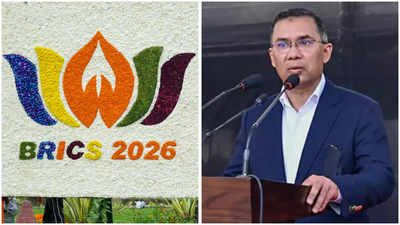
India Clarifies Bangladesh PM's BRICS Invitation Amid Confusion

Odisha Government Denies Premature Release of Dara Singh