Escalating Tensions Disrupt LNG Supply and Push Energy Strategies


Rising tensions in West Asia are prompting significant shifts in energy strategies across Asia. Countries like Japan and South Korea are rapidly advancing their nuclear energy plans while relying more on coal to mitigate immediate supply disruptions, according to a recent analysis by energy consultancy Wood Mackenzie.
The escalating volatility in the region follows an intensification of strikes involving the United States and Israel against Iran, which began on February 28. This military action has raised substantial concerns over global energy supplies, particularly affecting the crucial Strait of Hormuz. Approximately 20 per cent of the world's oil trade transits through this narrow waterway, and disruptions there have sent shockwaves through energy markets.
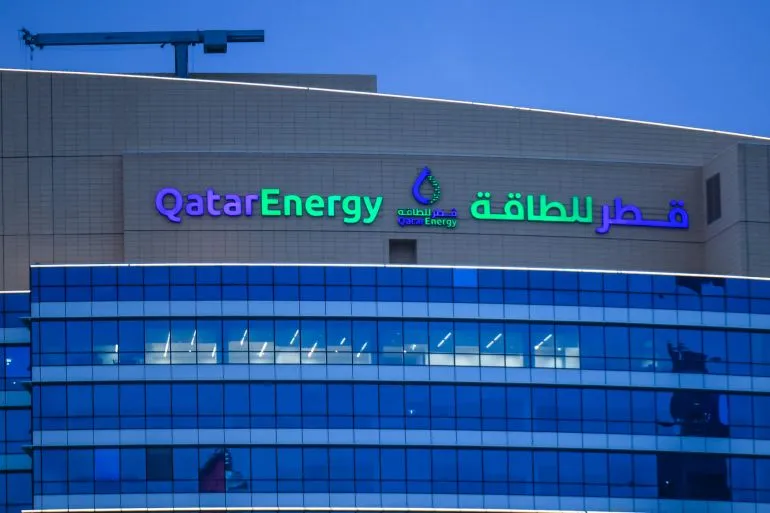
Currently, around 19 per cent of global liquefied natural gas (LNG) supplies have been impacted, leading to a surge in Asian spot prices above $20 per million British thermal units (mmBtu). This spike in prices has resulted in fierce competition among buyers for limited LNG shipments. According to Wood Mackenzie, coal-fired power generation is increasingly serving as a short-term solution. In nations like Japan, coal plants could potentially offset up to 70 per cent of gas-fired generation. In South Korea, the situation is even more pronounced, where coal generation could exceed gas output due to current circumstances.
Despite the disruptions in LNG supply, Japan and South Korea report limited direct exposure to these shortages. Japan's reliance on LNG disruption stands at approximately 6 per cent, while South Korea's is about 15 per cent. Both nations are benefiting from diversified procurement strategies and long-term contracts, which serve to cushion consumers from immediate price fluctuations, as noted by Xiaonan Feng, principal analyst at Wood Mackenzie.
"Diversified procurement and long-term contracts provide Japan and South Korea with multiple layers of protection, delaying the impact of fuel price volatility on power end users," Feng stated.
Nevertheless, the longer-term implications of these energy challenges may be substantial. In Japan, the processes inherent in its pricing mechanisms mean that fuel costs take between three to six months to affect consumers. Conversely, South Korea relies on tariff caps to limit short-term price surges, although this has begun to create financial strain on its state utility, Korea Electric Power Corporation (KEPCO).
As energy security emerges as a primary policy focus, Japan is shifting from its previously cautious stance on nuclear power, enabled by the restart of reactors that add approximately 4.6 gigawatts (GW) of stable energy capacity. South Korea is similarly evolving its nuclear energy agenda, facing critical decisions regarding the extension of aging reactors, with about 7.8 GW nearing their operational limits by 2030.
In parallel to these developments, both countries continue to slow their coal phase-out plans and invest in domestic renewable energy sources, including enhanced offshore wind and advanced solar technologies. If the disruptions in the Strait of Hormuz persist, energy demand in Northeast Asia could diminish by an estimated 4-5 million tonnes before the third quarter, as utilities shift more towards coal usage while industrial demand wanes.
The oil markets are concurrently feeling significant pressure. In April, Asian oil refiners might reduce crude processing by as much as 6 million barrels per day, as per a cautionary report from Wood Mackenzie. Global oil prices experienced a decline on March 18, with Brent crude futures dropping by more than $2 per barrel after surging considerably the previous day. The Brent futures price was noted at $101.16 per barrel, while West Texas Intermediate crude fell to $93.22.
India's energy landscape is particularly vulnerable, given its reliance on West Asian oil surpasses 80 per cent without Russian crude supply. Current estimates suggest that refiners may scale back oil utilisation by up to 12 per cent, leading to a reduction of approximately 600,000 barrels daily. The LNG supply constraints are already necessitating gas cutbacks for Indian industrial sectors, heavily depending on imports from Qatar and the United Arab Emirates.
Countries across South Asia, including Pakistan and Bangladesh, are grappling with severe energy shortages, with Pakistan almost entirely reliant on Qatari LNG and Bangladesh resorting to high-cost spot market purchases. Furthermore, anticipated decreases in Asian gasoline and diesel shipments are anticipated, with total reductions possibly amounting to 750,000 barrels per day by March.
Analysts warn that while current measures like stockpiles and pricing mechanisms may alleviate immediate impacts, prolonged disruptions into peak summertime demand could further strain the systems in place. A strengthened US dollar might exacerbate import costs, with delayed pricing linked to oil potentially causing consumers to face increased energy bills in the months ahead.
The overarching trend appears clear: energy security is driving nations towards accelerated nuclear developments, postponing the phase-out of coal, and incentivising localising supply chains in major Asian economies. Xiaonan Feng concluded, "The immediate risks are manageable, but the long-term direction is clear. Energy security considerations will continue to accelerate nuclear expansion, delay coal retirements, and drive greater emphasis on domestic energy supply chains in both markets."

Meta to Report Child Sexual Abuse Material to Indian Authorities

India Clarifies Bangladesh PM's BRICS Invitation Amid Confusion

Odisha Government Denies Premature Release of Dara Singh

BJP Selects Chandranath Rath's Mother for Nandigram Candidacy