Reserve Bank of India to Inject ₹2.90 Lakh Crore into Banking Sector


The Reserve Bank of India (RBI) has revealed plans to inject ₹2.90 lakh crore (approximately $35 billion) into the banking sector through a combination of government bond purchases and a dollar-rupee swap. This decision comes in response to tightening liquidity conditions that have seen short-term interest rates exceed the RBI's target.
Details of the Liquidity Injection
The RBI plans to conduct open market operations (OMO) to purchase ₹2 lakh crore of government bonds. This will occur in four separate tranches of ₹50,000 crore each, scheduled for December 29, January 5, January 12, and January 22. Additionally, the central bank will hold a $10 billion buy/sell swap auction on January 13, 2026, aimed at addressing the liquidity of US dollars in the market.
Context of the Decision
Recent data indicated a liquidity shortage in the banking system, which turned negative around mid-December. This situation has led to the weighted average call rate, a key short-term borrowing cost, rising to 5.46%, surpassing the RBI's repo rate of 5.25%.
According to VRC Reddy, head of treasury at Karur Vysya Bank, "The announced operations go beyond market expectations and should provide confidence around durable liquidity availability, alleviate demand-supply concerns, and support investor sentiment in the bond market." This sentiment underscores the critical role of the RBI's intervention in stabilising yields and enhancing financial transmission across the yield curve.
Recent Liquidity Trends
Between December 11 and December 18, the RBI had already injected ₹1.45 lakh crore into the system through OMOs and a $5 billion swap. However, liquidity conditions tightened again due to tax outflows, which increased yields and forced the Power Finance Corporation to cancel a planned ₹6,000 crore bond sale as bids came in with higher-than-expected interest rates. Despite a quarter-point cut in the policy rate in the latest review, the 10-year benchmark yield has seen a rise of 20 basis points since December 5.
On Tuesday, the benchmark yield eased slightly to 6.63% from 6.66% the previous day, after reaching 6.70%, the highest level since March. Gaura Sengupta, chief economist at IDFC First Bank, noted that the upward pressure on yields is largely due to adverse demand-supply dynamics in the bond market, exacerbated by an expected increase in state government bond supply in the fourth quarter of the financial year 2026.
State governments collectively raised ₹33,720 crore through bond sales on Tuesday, but at higher-than-expected cutoff yields, reflecting investors' demand for steeper rates amid the tightening liquidity.
Future Expectations
Market analysts expect liquidity conditions to improve as government spending picks up towards the end of the month. Separately, the Bank of India has successfully raised ₹10,000 crore in long-term infrastructure bonds at an interest rate of 7.23%. The government-owned bank received bids totalling ₹15,305 crore, accepting 37 bids amounting to ₹10,000 crore in total.
In summary, the RBI's strategic liquidity infusion is designed to mitigate the ongoing pressures in the banking system and ensure an adequate flow of funds, thereby supporting broader economic stability.
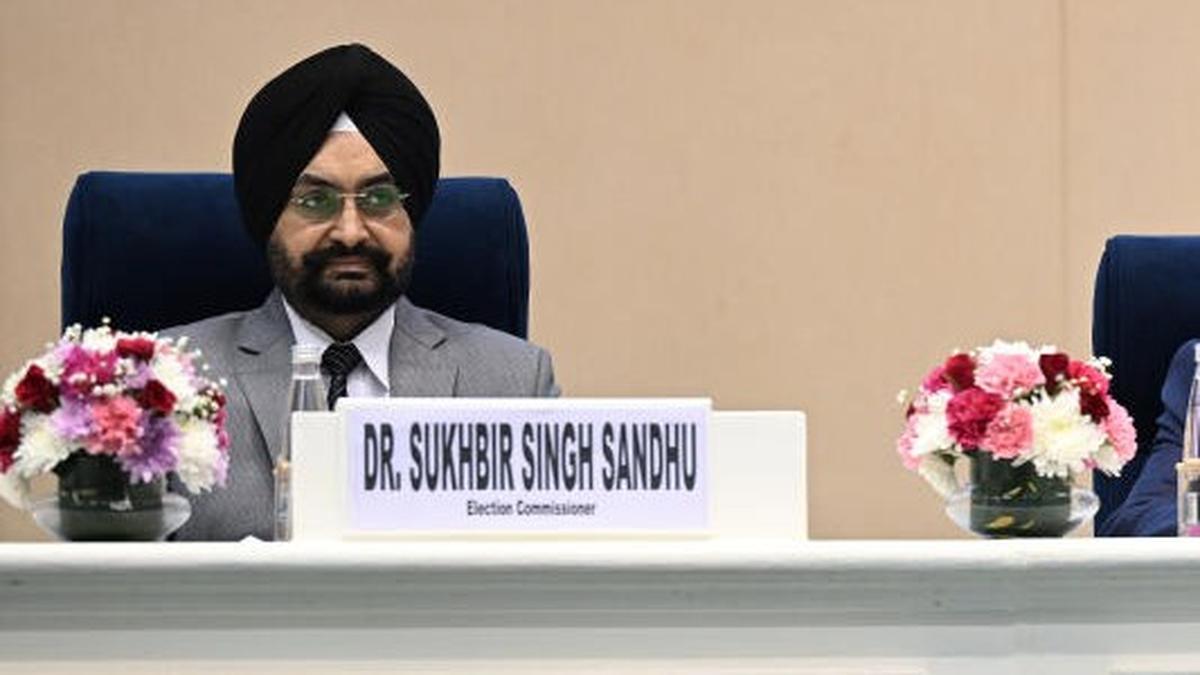
Concerns Rise Over Delhi Voter Registration Discrepancies
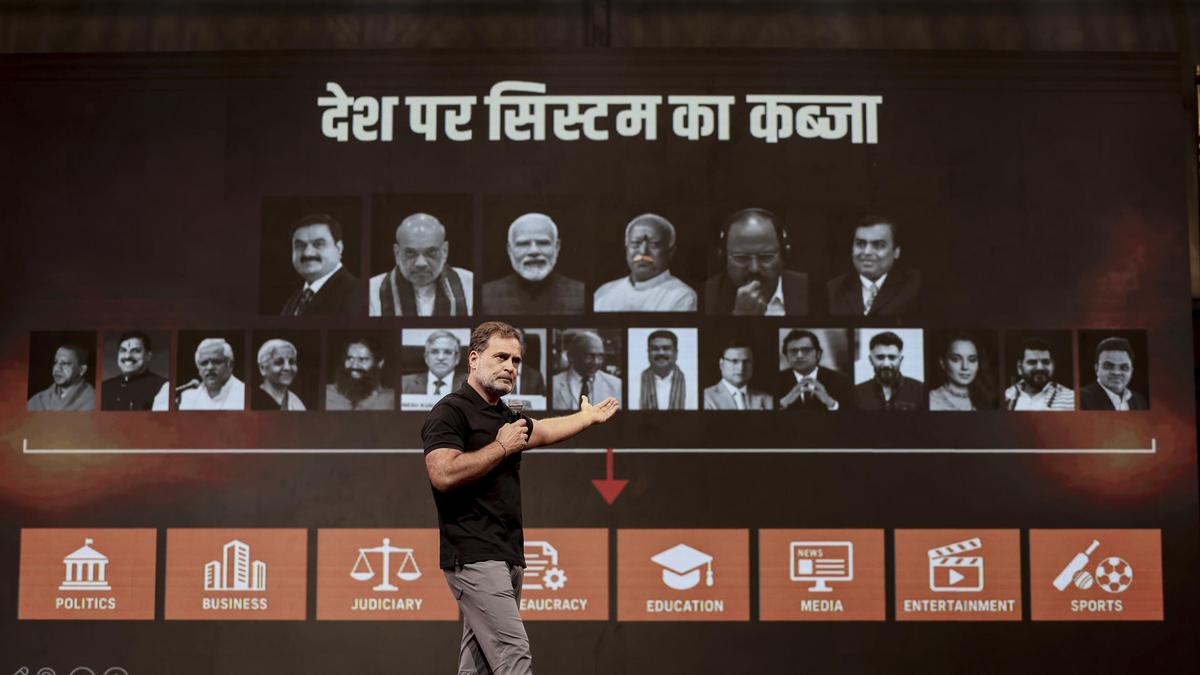
Controversy Erupts Over Rahul Gandhi's PM Modi Mimicry at Event

Father of IIT Bombay Student Calls for Action Against Discrimination

India and Japan Conduct Joint Air Exercise 'Veer Guardian-2026'