Putin Rejects Territorial Compromise in Ukraine Peace Talks


Russian President Vladimir Putin has hardened his stance on the war in Ukraine, making clear that Moscow remains unwilling to concede territory as part of any peace agreement. His remarks come amid intensifying diplomatic activity by the United States and European governments seeking to bring an end to the conflict, now entering its fourth winter.
Addressing senior defence officials at the annual meeting of the Russian Ministry of Defence on Wednesday, Mr Putin said Russia preferred diplomacy but would act militarily if its demands were not met. “We would prefer to eliminate the root causes of the conflict through diplomacy,” he said. “But if the opposing country and its foreign patrons refuse substantive discussions, Russia will achieve the liberation of its historical lands by military means.”
The Russian leader was referring to regions of Ukraine that Moscow claims as its own, including large parts of the eastern Donbas region, which comprises the provinces of Donetsk and Luhansk. Russia formally annexed the area in 2022, a move widely condemned by the international community as illegal under international law.
The question of territory has become one of the most contentious issues in ongoing peace discussions. Ukraine has repeatedly said it will not recognise Russian control over occupied land. On Monday, Ukrainian President Volodymyr Zelensky said Kyiv would not accept the temporary occupation of eastern Ukraine as either legal or permanent.
Mr Zelensky also warned against what he described as historical revisionism by Moscow. “There are other countries in Europe that someone in Russia may one day call their historical lands,” he said, calling for stronger international guarantees to protect Ukraine’s sovereignty.
The United States, under President Donald Trump, has expressed growing optimism about the prospects for a negotiated settlement. Mr Trump said earlier this week that the parties were “closer now than we have been” to an agreement, although he has not outlined specific terms publicly. His administration has encouraged Kyiv to remain open to compromise, raising concerns in some European capitals.
European leaders have adopted a more cautious tone, stressing that any peace agreement must include firm security guarantees for Ukraine. Mr Putin acknowledged these divisions in his speech, saying Russia was engaged in dialogue with Washington but was sceptical about talks with Europe under its current leadership. He added that engagement with European governments would become “inevitable” over time.
The Russian president also dismissed warnings from Western leaders about a broader conflict with Moscow. He described calls to prepare for war with Russia as “hysteria and a lie,” responding to recent comments by NATO Secretary General Mark Rutte, who urged alliance members to increase defence spending and readiness.
According to Russian state media, Mr Putin claimed that hundreds of settlements had been “liberated” by Russian forces over the past year. Independent assessments, however, suggest a slower pace of advance. The Institute for the Study of War, a US-based conflict monitor, has estimated that at the current rate of progress, Russia would not gain full control of the Donbas region until 2027.
Meanwhile, the fighting continues on multiple fronts. Ukrainian officials said this week that their forces had regained control of most of the town of Kupiansk in the northeastern Kharkiv region, a claim disputed by Russia. Both sides have also intensified strikes on energy infrastructure, raising concerns about civilian hardship during the winter months.
Context
Mr Putin’s comments came ahead of a crucial summit of European Union leaders in Brussels, where discussions are under way on whether to use frozen Russian central bank assets to support Ukraine. About 210 billion euros in Russian funds are currently held in Europe following sanctions imposed after the invasion.
European Commission President Ursula von der Leyen told the European Parliament that supporting Ukraine’s defence was the most important act of European security. Two proposals are being debated: one involving the direct use of frozen assets, and another based on borrowing against them.
The plans remain controversial. Several EU member states, including Belgium and Italy, have expressed legal and financial concerns, warning that seizing the assets could undermine confidence in European markets. Italian Prime Minister Giorgia Meloni said finding a lawful mechanism for such action remained “far from easy”.
In parallel, the United Kingdom has announced steps to transfer billions of pounds from the sale of Chelsea Football Club by Russian billionaire Roman Abramovich to humanitarian causes in Ukraine, following prolonged legal delays.
As diplomatic efforts continue, Mr Putin’s latest remarks underscore the scale of the challenge facing negotiators. With Moscow insisting on territorial gains, Kyiv refusing concessions, and Western allies divided over strategy, prospects for a swift resolution to the war remain uncertain.
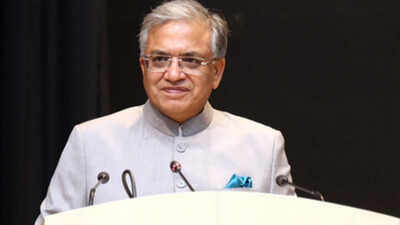
Kerala Initiates Probe into 2006 Suicide Case Involving CEC
Extradition of Sheikh Hasina Feasible, Says Indian High Commissioner

Punjabi Makeup Artist Mad Sandhu Shot Dead in Amritsar
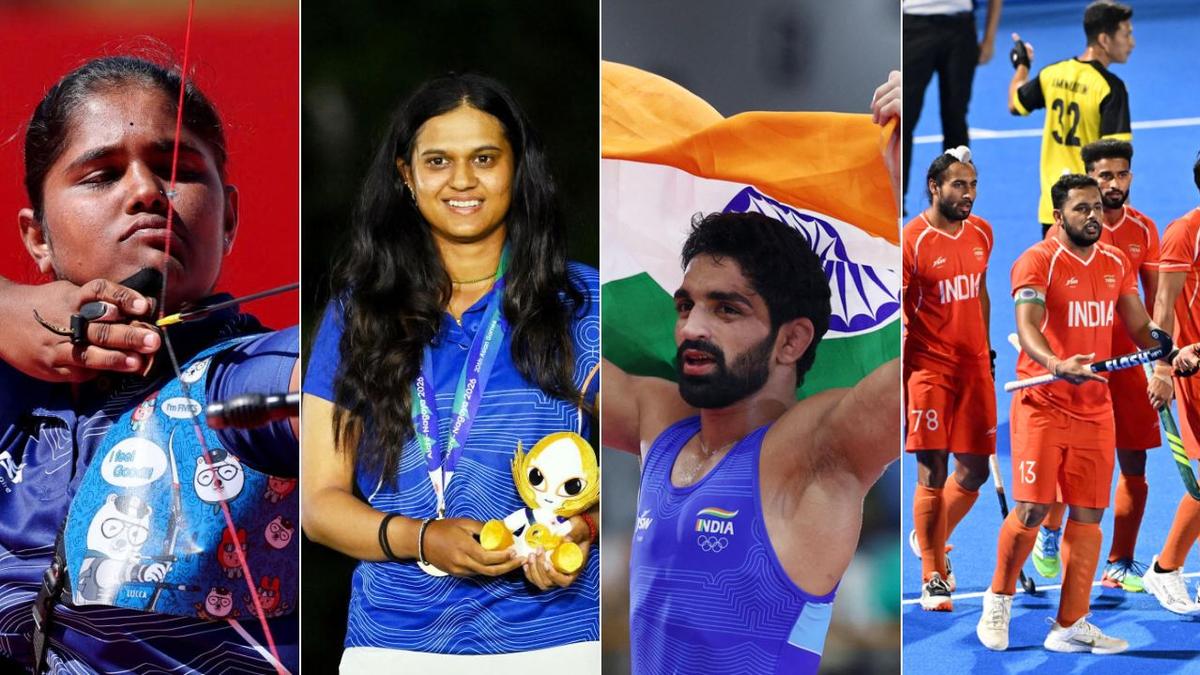
India Achieves Fourth Place at Asian Games 2026 Through Late Success