Protests in Iran Escalate Amid Economic Crisis and Political Demands


Protests across Iran have entered their sixth day, driven by escalating economic difficulties and widespread discontent with the government. The Iranian rial's recent plunge to an unprecedented low against the United States dollar has sparked public outcry, leading to a wave of demonstrations that have expanded from economic grievances to calls for political change.
On 1 January 2026, the rial fell to 1.42 million against the dollar, reflecting a staggering 56% decline in just six months. Inflation has risen sharply, with food prices reportedly increasing by an average of 72% compared to the previous year. The economic crisis has prompted shopkeepers in Tehran to close their businesses, igniting protests that have spread to 17 of Iran's 31 provinces.
According to reports from state-linked media and human rights organisations, at least seven people have died amid clashes between protesters and security forces. The unrest has seen demonstrators confront police in various cities, leading to injuries among law enforcement and multiple arrests. The Iranian government, led by President Masoud Pezeshkian, has responded with a mix of dialogue and security measures. While the authorities have condemned the protests, they have also faced pressure to address the legitimate concerns raised by citizens.
Economic Sanctions and Their Impact
Iran remains one of the most heavily sanctioned countries globally, facing significant restrictions that hinder its access to international financial markets. These sanctions have contributed to the economic turmoil, exacerbating inflation and driving up the cost of living. The government's inability to stabilise the economy has led to widespread frustration among Iranians.
Taxi driver Majid Ebrahimi expressed his concerns, stating, "If only the government, instead of just focusing on fuel, could bring down the price of other goods. The prices of dairy products have gone up six times this year and other goods more than ten times." Such sentiments reflect the growing dissatisfaction with the government's handling of the economic crisis.
Political Dimensions of the Unrest
As protests have evolved, demonstrators have shifted their focus from economic issues to political demands. Many are now openly calling for the end of clerical rule, with chants such as "Mullahs must leave Iran" and "Death to the dictatorship" echoing through the streets. This shift signifies a deeper crisis of legitimacy for the Iranian government, particularly for Supreme Leader Ayatollah Ali Khamenei, who faces increasing scrutiny and calls for regime change.
In response to the protests, President Pezeshkian has made efforts to address public anger by appointing a new governor of the central bank and pledging to undertake economic reforms. He has stated that the government is committed to eradicating corruption and has expressed determination to protect citizens' livelihoods. However, many Iranians view these measures as insufficient, arguing they do not address the root causes of discontent.
The Role of Security Forces
Historically, the Iranian government has responded to protests with force, and the current unrest has seen similar tactics employed. Security forces have used tear gas and, in some instances, live ammunition to disperse crowds. Reports from the semiofficial Fars news agency detailed confrontations in cities such as Lordegan, where protesters clashed with police near administrative buildings.
While the government has indicated a willingness to listen to protesters, the response has varied between regions. In some areas, authorities have deployed significant resources to quell unrest, while in others, they have opted for a more restrained approach. This inconsistency reflects the government's struggle to manage the dual pressures of public dissatisfaction and the need for stability.
International Reactions and Implications
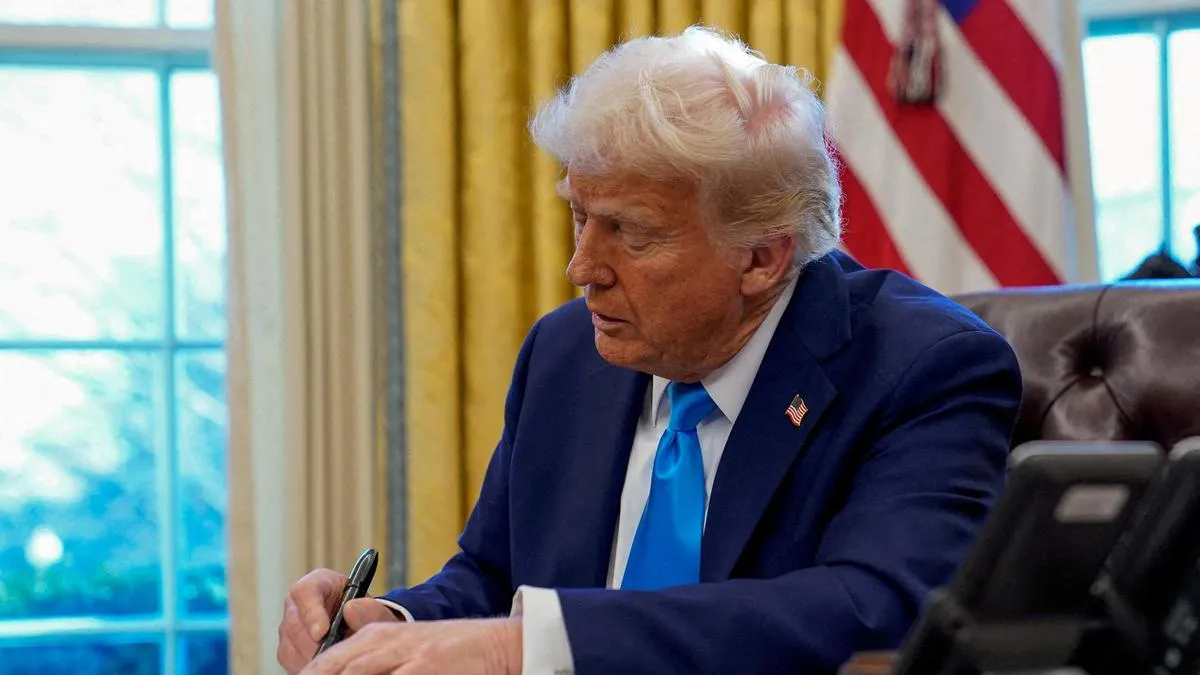
The ongoing protests have also drawn international attention, with comments from figures such as former United States President Donald Trump, who warned against violent crackdowns on demonstrators. Meanwhile, Israeli officials have suggested potential military action if Iran continues its nuclear activities. These external pressures add another layer of complexity to the situation, as the Iranian government navigates both domestic unrest and international scrutiny.
Conclusion
The protests in Iran represent a significant moment in the country's ongoing struggle with economic hardship and political repression. As discontent grows and calls for change become bolder, the government's response will be crucial in determining the future trajectory of these demonstrations. Whether the current wave of protests will lead to lasting change remains uncertain, but the message from the streets is clear: many Iranians are no longer willing to accept the status quo.
Kerala Initiates Probe into 2006 Suicide Case Involving CEC
Extradition of Sheikh Hasina Feasible, Says Indian High Commissioner

Punjabi Makeup Artist Mad Sandhu Shot Dead in Amritsar
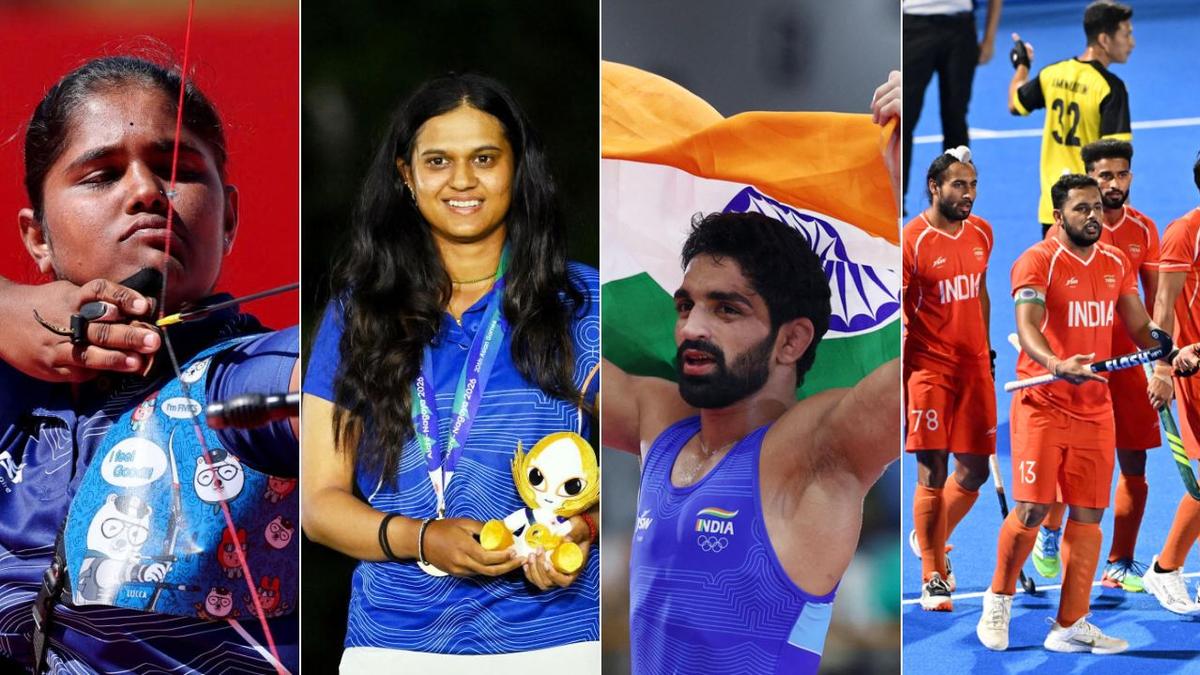
India Achieves Fourth Place at Asian Games 2026 Through Late Success