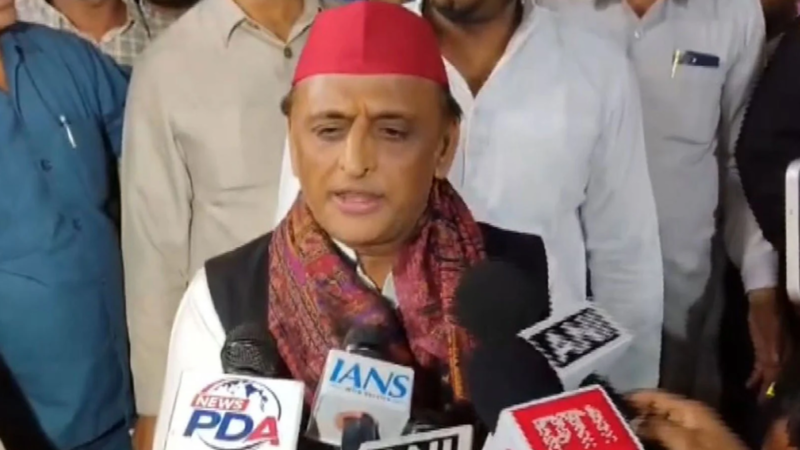
Protest at Jantar Mantar Highlights Issues in Indian Education System


The recent protest at Jantar Mantar in New Delhi, led by a political group known as the Cockroach Janta Party (CJP), came to an end after 36 days following the resignation of Union Education Minister Dharmendra Pradhan. The demonstration highlighted significant frustrations regarding the reliability of India’s education system, particularly concerning university entrance examinations.
Protesters initially gathered in response to the National Testing Agency’s mishandling of the National Eligibility cum Entrance Test for Undergraduate studies (NEET UG), which impacted countless students. The government’s swift actions—investigating the leaks and re-conducting the exam—brought a temporary resolution but left many questions unanswered. Concerns regarding the robustness of examination infrastructure and the overall integrity of the higher education system emerged as key issues.
Despite the exam results being announced, the protest evolved into a broader critique of systemic flaws within the educational landscape. These included the issuance of fraudulent degrees and irregularities in the recruitment of faculty members. The integrity of higher education became a central theme, prompting calls for reforms from various stakeholders.
While many participants sought meaningful dialogue about these pressing issues, the protest also drew attention for veering into polarised territory. Controversial slogans and imagery on placards suggested a fusion of various political agendas, overshadowing the initial emphasis on educational reform. Notably, a statement from prominent activist Yogendra Yadav, advocating for 'a politics of resistance', stirred further debate about the role of protests in a democratic society. He asserted, "Now democracy will run not from Parliament, but from the streets."
The involvement of controversial figures and an influx of aggressive rhetoric on social media indicated a troubling trend in the discourse surrounding educational challenges. These dynamics presented significant obstacles to constructive dialogue, leading to questions about the motivations and objectives of the protest.
Underlying these developments is the broader issue of educated, yet underemployed youth in India, a demographic often susceptible to radical movements. The historical context reveals that, globally, times of economic upheaval have historically galvanised educated individuals facing bleak job prospects into activism. This pattern raises concerns about the relationship between education and employment opportunities.
As debates continue about the integrity and future of the education system in India, the outcomes of protests like those at Jantar Mantar will likely shape the landscape of higher education in the years to come. The call for accountability and systemic reforms remains crucial, not just for students but for the integrity of the educational system itself.

Ceasefire Agreed in Oleshky Amid Ukraine's Humanitarian Crisis
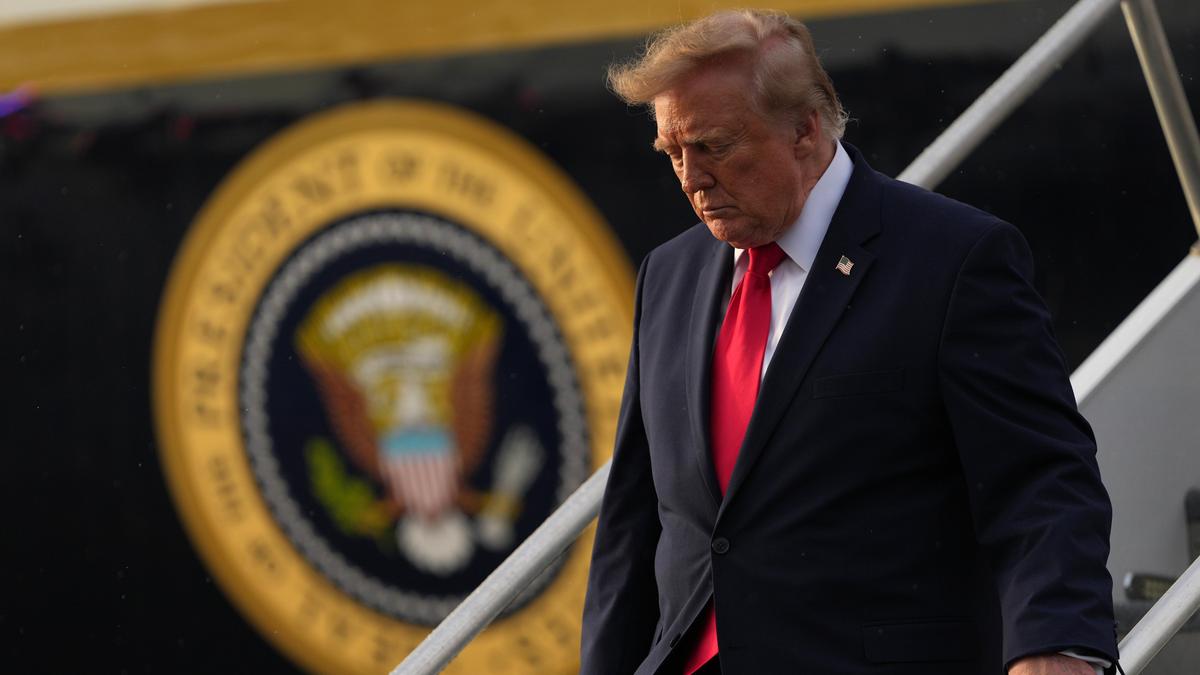
Donald Trump Hints at US Interest in Cuba After Conflict in Iran
UK Court Rules Against India in RAKIA Investment Dispute
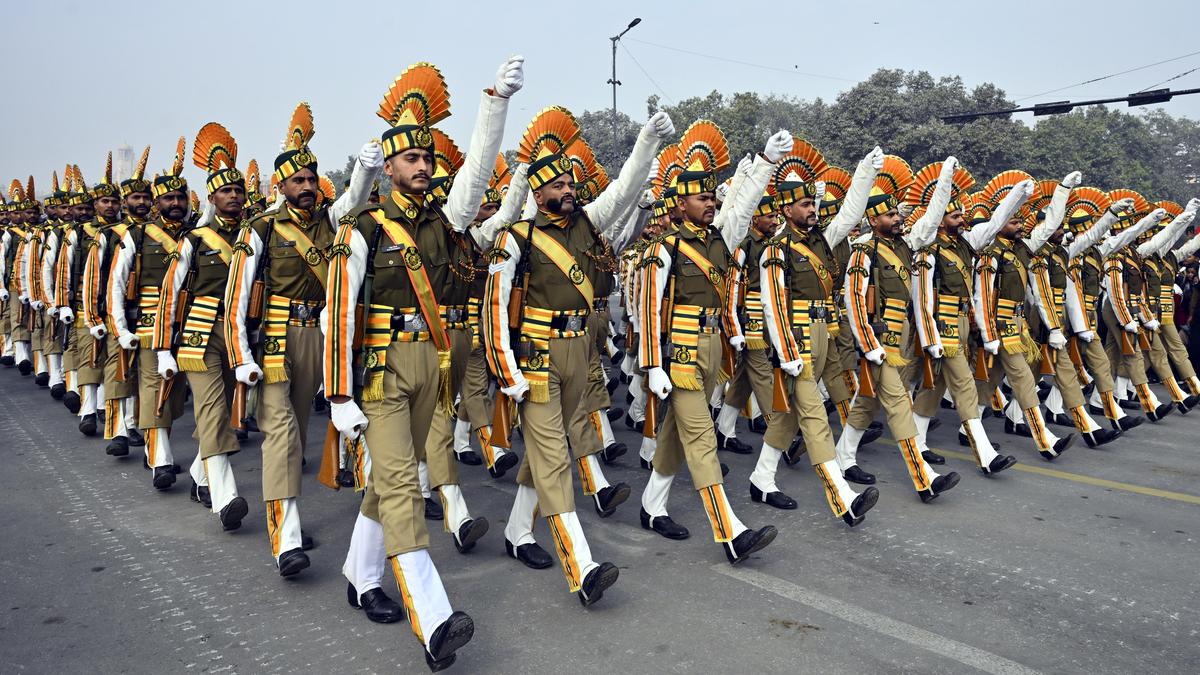
India Raises Concerns Over Chinese Border Patrolling Deviations