Prospects for New Iran Negotiations Amidst Ongoing Tensions


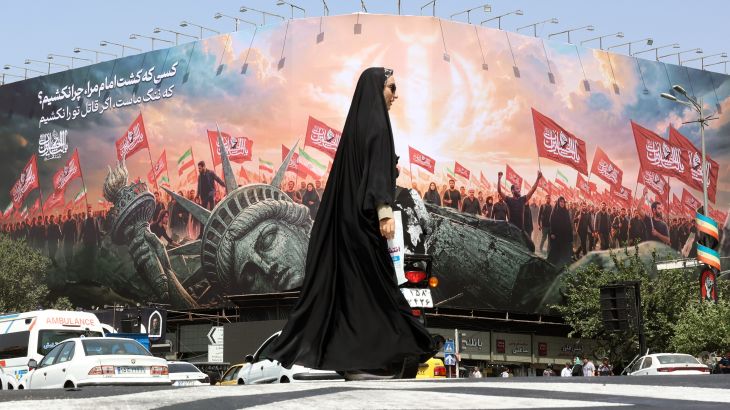
United States President Donald Trump announced on Sunday that new negotiations with Iran are set to commence on Monday, marking a significant moment amid rising tensions between the two nations. At a press conference following his arrival in Washington, DC, Trump mentioned that he had called off plans for what he described as 'massive strikes' on Iran. However, he did not clarify the location of the talks or the parties involved.
When questioned about a potential deadline for an agreement, Trump refrained from providing specifics, stating, 'Would I rather make a deal? I’m not looking to kill people because people die, a lot of people die, and we don’t want that.' He indicated that the talks would involve issues surrounding the Hormuz Strait and broader concerns regarding Iran's nuclear ambitions.
Following Trump's announcement, an Iranian Ministry of Foreign Affairs spokesman, Esmaeil Baghaei, responded that Iran would not welcome any foreign delegation during this period. This statement raised questions about whether the negotiations would include direct discussions or if they would be mediated.
Al Jazeera correspondent Osama Bin Javaid, reporting from Doha, indicated that mediators might be preparing to travel to Tehran for indirect talks. Sources suggested that the initial focus would likely be on discussions related to the control of the critical Strait of Hormuz, with emissaries from Pakistan and Qatar expected to facilitate the process.
In Tehran, Al Jazeera’s Tohid Asadi reported that Iran is engaging in bilateral discussions with Oman, asserting its stance against foreign involvement in these negotiations. They aim to address matters concerning the reopening of the Strait, a vital waterway for global oil and gas supply.
However, experts are skeptical about the viability of these discussions. Trita Parsi, Executive Vice President of the Quincy Institute for Responsible Statecraft, highlighted the adverse impact of Trump's previous military escalations and their subsequent cancellations on credibility in negotiations. He warned that 'all credibility for negotiations is going to be lost' if this pattern continues.
Alan Eyre, a distinguished fellow at the Middle East Institute, echoed similar sentiments, noting Iran’s reluctance to engage directly with the US, citing a lack of trust in American commitments. He stated, 'Nothing has changed. President Trump has promised to annihilate Iran five or six times and then backs down at the last minute.'
Charles Kupchan, a senior fellow at the Council on Foreign Relations, expressed cautious optimism about a potential agreement regarding the Strait of Hormuz, but he remains doubtful about achieving broader peace on Iran’s nuclear programme.
On Sunday, Iranian Foreign Minister Abbas Araghchi indicated that discussions with Oman regarding the management of the Strait are approaching their final stages. This strait has become a critical point of concern, with its closure impacting global oil supply lines.
The waterway was effectively shut by Iran in March, following the commencement of US-Israeli airstrikes. Although some passage was permitted after an agreement with the US in June, disputes over route interpretations have intensified conflicts, leading to renewed military actions and blockades.
Recent diplomatic interactions among Iran, Saudi Arabia, and Pakistan reflect the high stakes at play as nations seek to de-escalate tensions and reinstate strategic communication. As the situation develops, the international community watches closely, aware that the future of both the Strait of Hormuz and US-Iran relations remains precarious.
Indian Government Declares Shahzad Bhatti Network a Terrorist Outfit
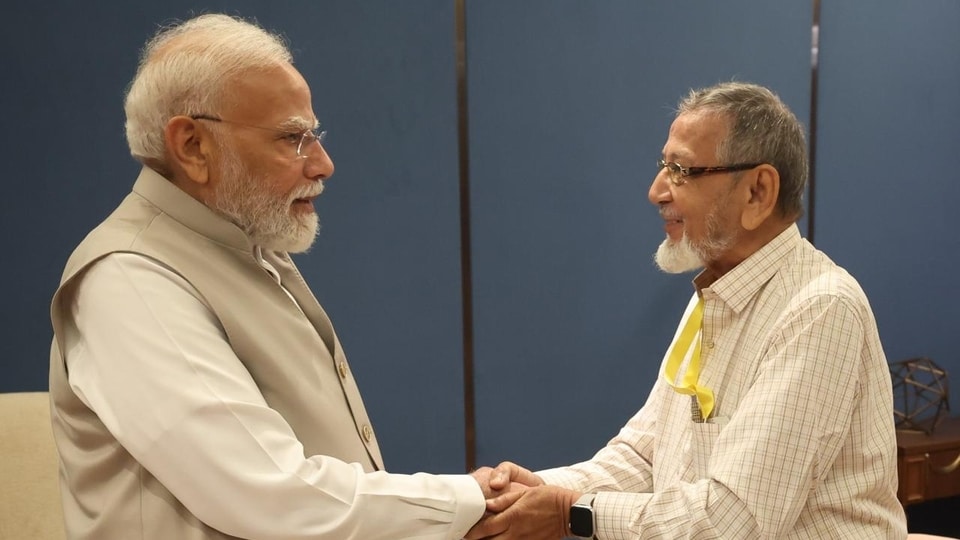
PM Modi Helps Former Schoolmate Recover Land After Long Dispute
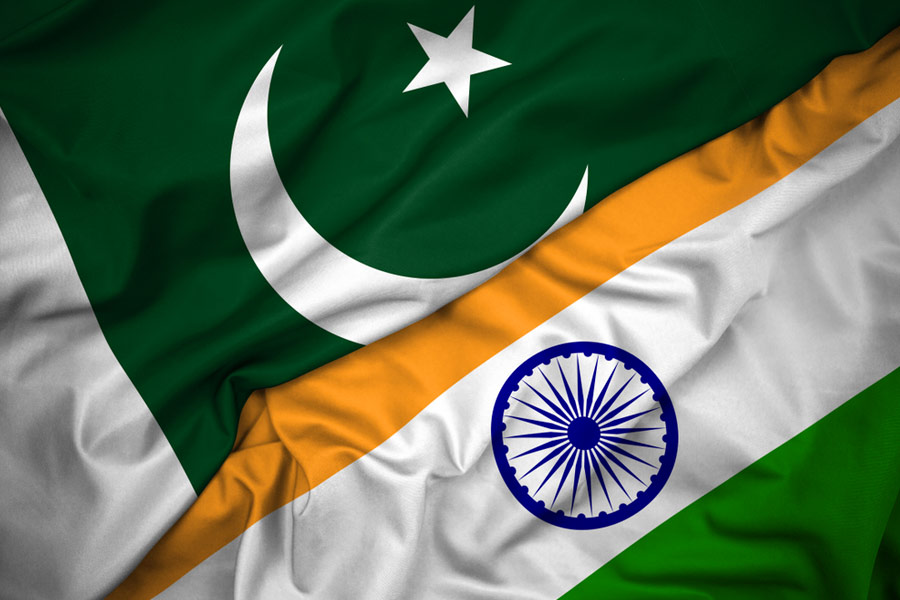
Naval Collision in Arabian Sea Heightens India-Pakistan Tensions

Telangana CM Launches Inquiry Into Alleged Land Irregularities