Potential Leaders in Iran's Political Landscape Amidst Uncertainty


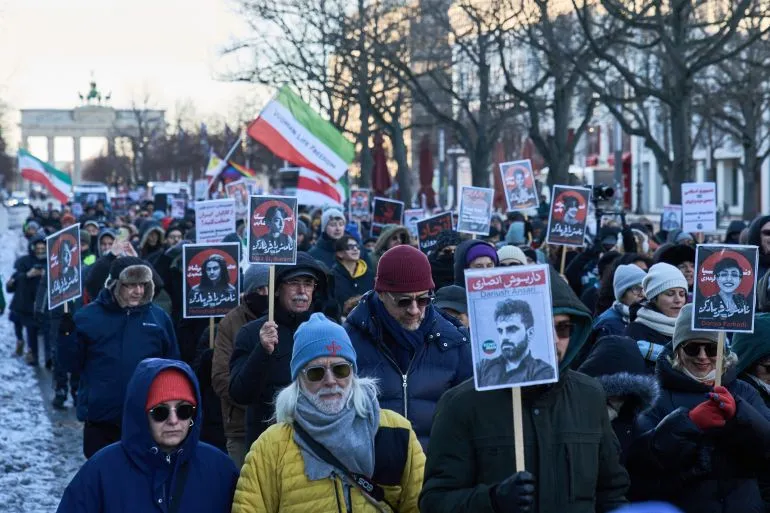
Iran is currently experiencing significant political turmoil, prompting speculation about who might emerge as the next leader should the existing regime collapse. The Iranian government, under the leadership of President Ebrahim Raisi, faces mounting challenges, including widespread discontent among the populace over economic hardship and restrictions on personal freedoms.
Several figures have been identified by political analysts as potential leaders in the event of regime change. One prominent name is Reza Pahlavi, the son of the last Shah of Iran, who has been vocal about his vision for a democratic Iran. Living in exile, he has gathered support from various diaspora communities and has been advocating for reform and the establishment of a constitutional monarchy.
Another noteworthy figure is Maryam Rajavi, the leader of the National Council of Resistance of Iran, an umbrella organization of opposition groups. Rajavi has focused on the need for a democratic alternative to the current regime and has mobilised support within and outside Iran. Her call for a secular government resonates with many Iranians seeking to distance themselves from theocratic rule.
Moreover, there are a number of lesser-known local leaders and activists who have emerged from the recent protests, voicing the demands of the youth, women, and disenfranchised citizens. These individuals may also play a critical role in shaping Iran's future political landscape, especially if they can unite the fragmented opposition.
Experts suggest that the situation could evolve rapidly, especially if protests gain momentum. As political tensions rise, the establishment is likely to respond with increased repression, possibly leading to a tipping point.
The complexity of Iran's socio-political fabric makes predicting the outcome difficult, but a significant change seems increasingly feasible. As brought to light in a recent report by Al Jazeera, the opposition’s ability to present a cohesive platform could influence the direction of any potential transition in leadership.
Citizens in Iran continue to express their frustrations through demonstrations and other forms of resistance. As the country stands at a crossroads, the question of who could lead beyond the current regime remains pivotal in discussions about its future.
As the situation develops, international observers are closely monitoring the various factions vying for influence within Iran and the broader implications for stability in the Middle East. A diversified approach to the crisis could potentially facilitate meaningful dialogue among opposition groups, guiding Iran toward a new political chapter.
Kerala Initiates Probe into 2006 Suicide Case Involving CEC
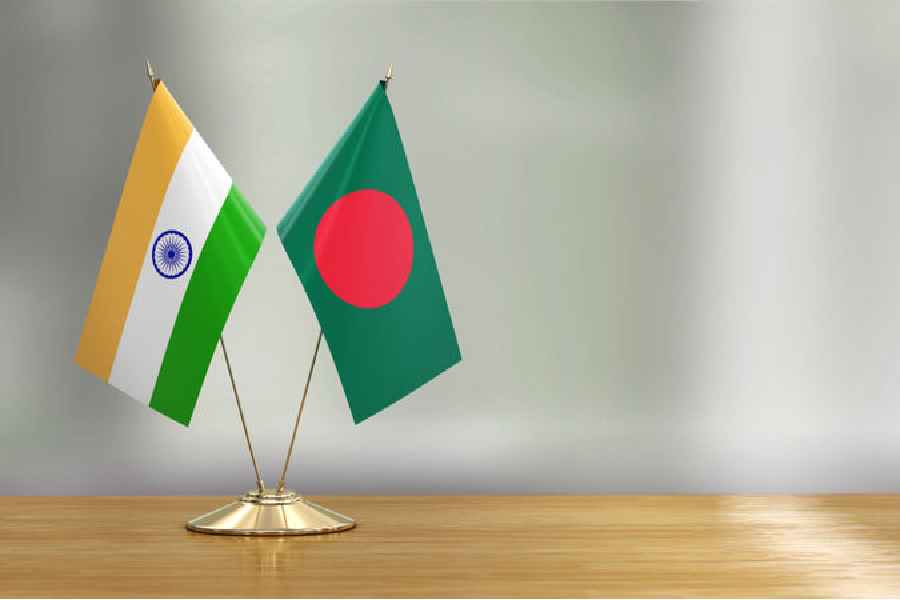
Extradition of Sheikh Hasina Feasible, Says Indian High Commissioner

Punjabi Makeup Artist Mad Sandhu Shot Dead in Amritsar
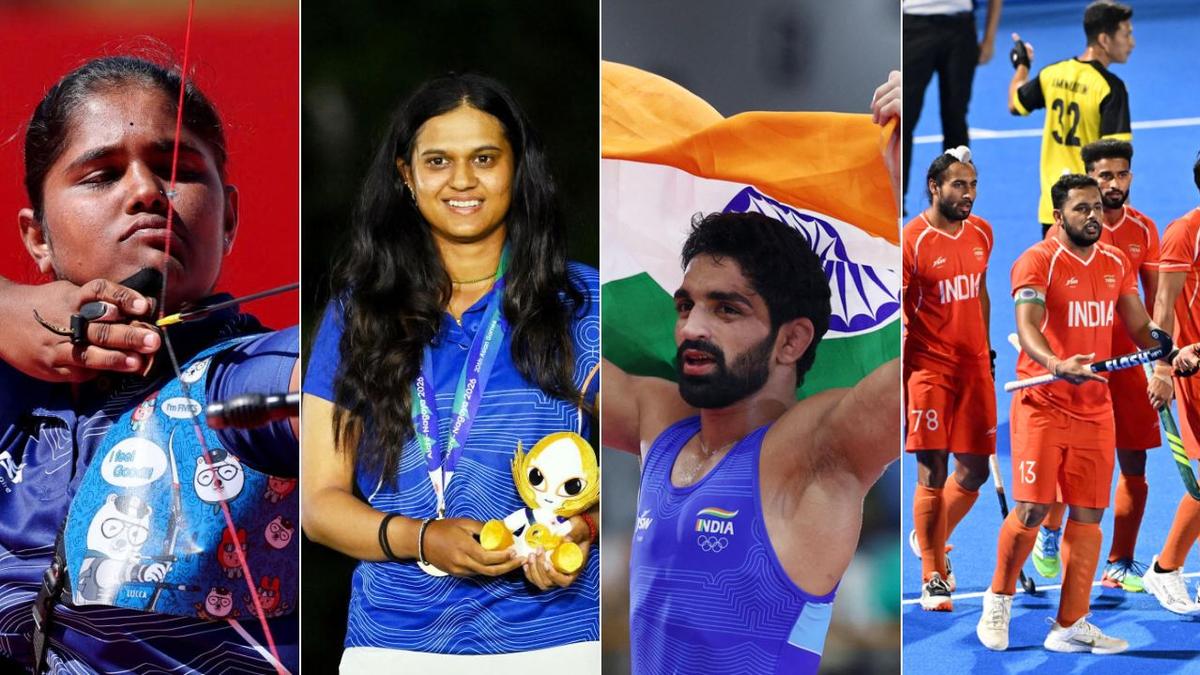
India Achieves Fourth Place at Asian Games 2026 Through Late Success