PM Modi Launches Pune Metro Pink Line: A Boost for Urban Transport


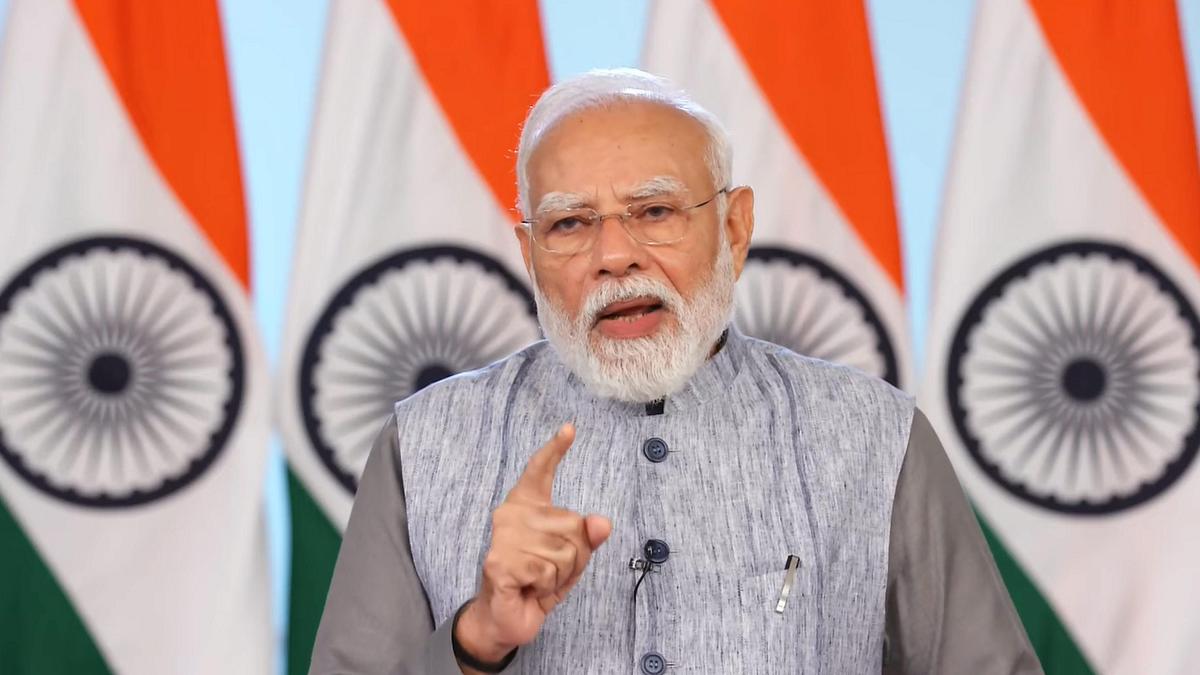
Pune: Prime Minister Narendra Modi inaugurated the Pune Metro Line 3, known as the Pink Line, via video conferencing on Tuesday. He highlighted the significant expansion of India’s metro network over the past twelve years, noting that it has grown from 248 kilometres in 2014 to 1,200 kilometres today.
During his address, Modi expressed that improved urban infrastructure would catalyse the country's economic growth. He stated, "When the country gave the NDA the opportunity to serve in 2014, we set out with a resolve to ensure the ease of living and ease of transportation for the middle class living in cities."
The newly inaugurated Pink Line spans 23 kilometres, connecting Hinjewadi’s prominent IT hub to the District Court Metro station, constructed at a cost exceeding Rs 8,300 crore. This corridor is anticipated to significantly enhance daily commutes for IT professionals and alleviate traffic congestion while reducing reliance on private transport. Notably, the Pink Line will be operated by women, and about 30 per cent of its energy needs are planned to be sourced from solar power.
Modi also revealed the foundation stone for the Pune Metro Phase II, projected at around Rs 13,500 crore. This phase will encompass four corridors, labelled Lines 2A, 2B, 4, and 4A, which will serve vital residential, commercial, and IT areas within the city.
The Prime Minister remarked, "While metro services were available in only five cities in 2014, they are now operational in 26 cities. More than one crore people travel by metro every day." He commended India’s impressive positioning among the world’s top three metro networks, underscoring the transformation in urban transport infrastructure the nation has experienced in the last decade.
Modi indicated the expansion's role in boosting connectivity and productivity within Pune, emphasising that it would link the city’s older and newer regions. He reflected on laying the foundation stone for the original Pune Metro phase nearly a decade previously and characterised Pune as a crucial centre of innovation and growth, especially in sectors such as IT, manufacturing, and pharmaceuticals.
The Premier noted that the operational metro network in Maharashtra has expanded from 11 kilometres in 2014 to nearly 200 kilometres, with more than 680 kilometres of metro lines under construction. Modi mentioned that Maharashtra is poised to attract investments exceeding Rs 2.5 lakh crore in metro infrastructure, which he stated would generate significant employment opportunities.
He urged for the development of smaller cities across India as emerging growth hubs, expressing confidence in Maharashtra’s role in this initiative. The Pune Metro Project, developed under a public-private partnership model, has been highlighted as a successful example of government and private sector collaboration.
Modi reiterated that urban infrastructure is vital to India's development aim, stating that cities are increasingly judged by their competitiveness and quality of life rather than merely their industrial outputs. He emphasised that the metro expansion is reducing commuting times, thus improving convenience for residents, which benefits the broader economy.
Additionally, the Prime Minister discussed the Centre's recently approved Urban Challenge Fund, amounting to Rs 1 lakh crore, aimed at mobilising investments for urban development in the coming years. He called for local authorities and private stakeholders to collaborate effectively to develop smaller cities into growth centres.
Modi also expressed empathy for the challenges faced by farmers in Maharashtra due to recent weather adversities, reassuring them of the government's support during their difficulties. He urged citizens to ensure that farmers could partake in Diwali celebrations, labelling it a collective social responsibility to support rural families during crises.
He concluded by emphasising that facing challenges together is essential for achieving a developed India.
Indian Ministry Addresses Casualties from Recent Conflicts

Child Dies from Measles in New York, First Case in 30 Years
India and Israel Reject Pakistan-Sponsored UN Arms Control Resolution
India Achieves Significant Poverty Reduction Amid Rising Inequality