India and Israel Reject Pakistan-Sponsored UN Arms Control Resolution


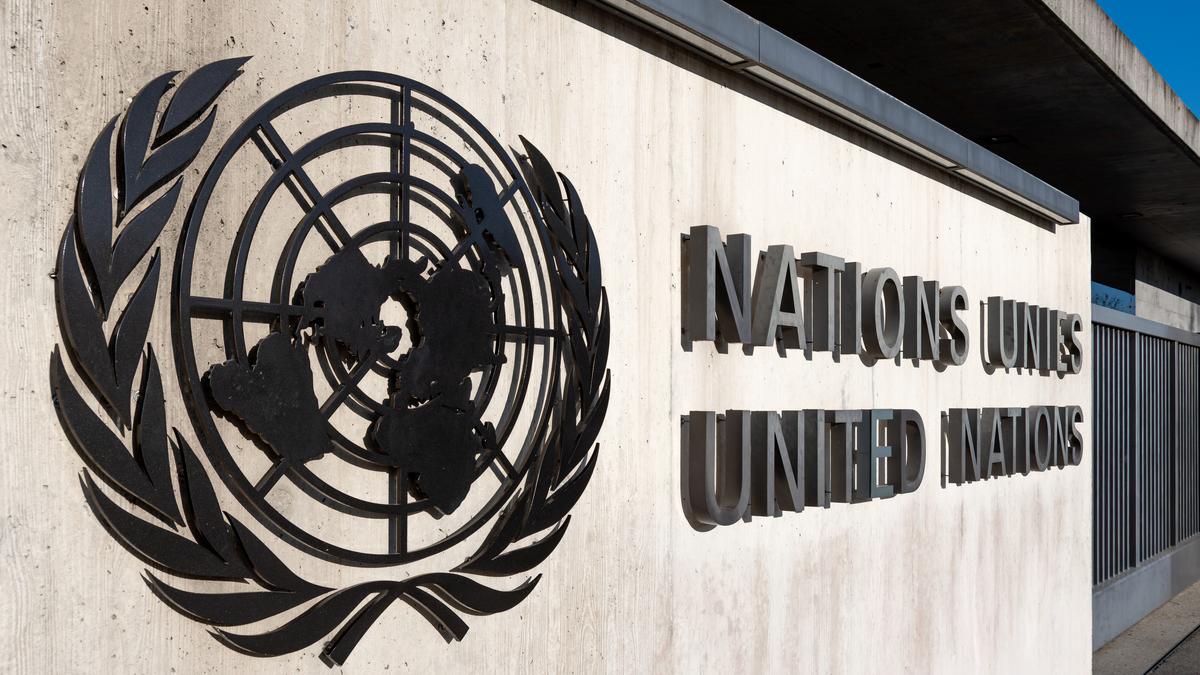
India and Israel have both voted against a resolution focused on regional arms control that was backed by Pakistan at the United Nations General Assembly. This move highlights emerging geopolitical alliances and tensions within the context of international relations.
The resolution titled "Conventional arms control at the regional and subregional levels" garnered significant support, with 180 votes in favour. However, both India and Israel chose to abstain from endorsing it, indicating a stance against Pakistan's influence in the disarmament space.
Pakistan's Foreign Ministry hailed the adoption of three resolutions it sponsored, including those on nuclear security and regional confidence-building measures. The ministry pointed out that these initiatives aim to promote peace and stability amid rising global tensions, especially in the context of security risks.
Diplomatic analysts suggest that India and Israel's decision to oppose the resolution signals a stronger alignment between the two nations, particularly in the face of security challenges posed by Pakistan.
This development is a significant moment in the ongoing discourse surrounding arms control and regional security measures. It underscores the complexities of international diplomacy and the often intricate relationships between nations, especially in a region marked by historical tensions. As the situation unfolds, the implications of these votes may resonate through diplomatic corridors and influence future disarmament discussions at the United Nations.
The resolutions reflect Pakistan's continued advocacy for international cooperation in the areas of arms control and security arrangements. The Pakistani government has been active in promoting its agenda at the UN for several decades, highlighting the need for collaborative measures amid what it describes as an erosion of the global arms control framework.
With the backdrop of increased hostilities and geopolitical shifts, stakeholders in the international community may have to reassess strategies related to arms control and security cooperation in South Asia and beyond.
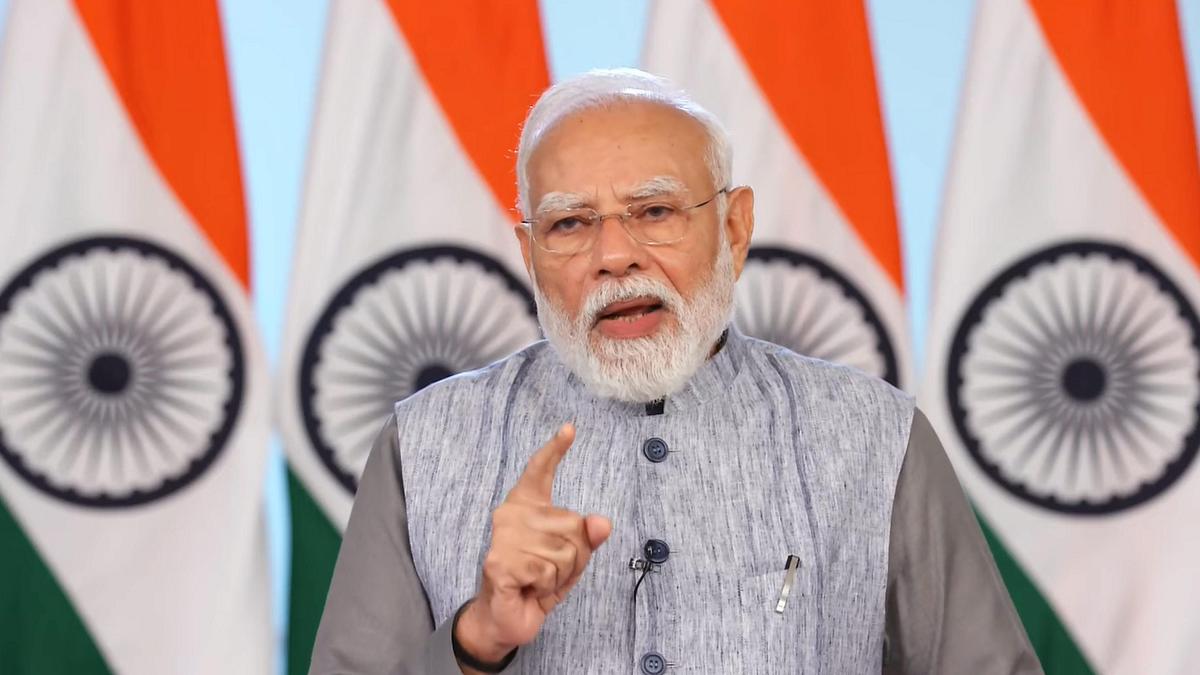
PM Modi Launches Pune Metro Pink Line: A Boost for Urban Transport
Indian Ministry Addresses Casualties from Recent Conflicts

Child Dies from Measles in New York, First Case in 30 Years
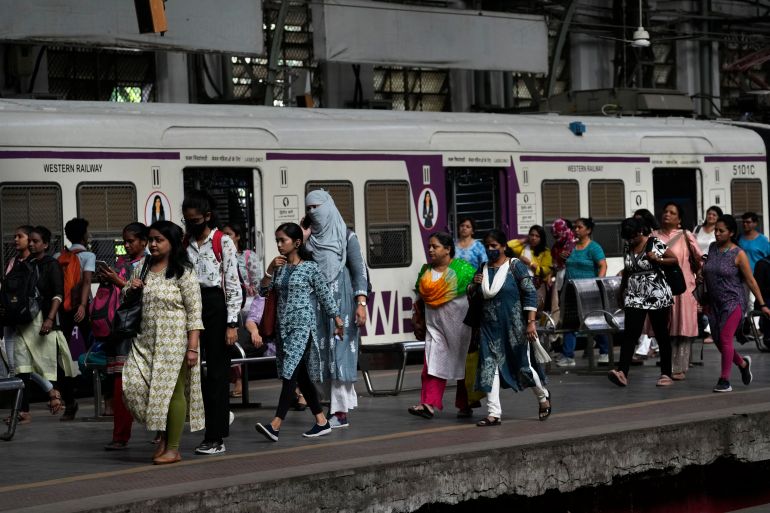
India Achieves Significant Poverty Reduction Amid Rising Inequality