India Achieves Significant Poverty Reduction Amid Rising Inequality


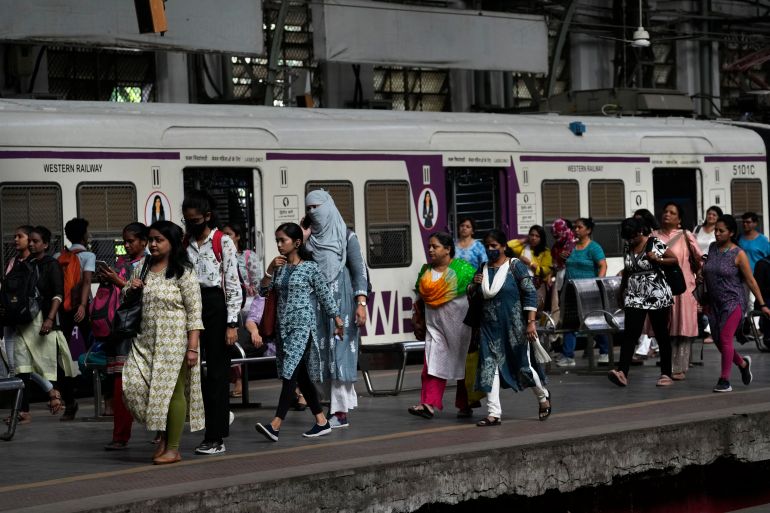
India has recorded a remarkable achievement in reducing extreme poverty, with the proportion of individuals living under critical financial conditions diminishing from 27.1 per cent in 2011 to just 2.6 per cent in 2023. This dramatic change marks the upliftment of approximately 500 million citizens from poverty, according to a report by the World Bank.
The report highlights that India’s performance is unprecedented in recent history, second only to China's poverty alleviation efforts, which lifted more than 800 million people over 40 years. Over this period, India’s poverty statistics indicate a significant decrease, despite the country’s persistent income inequality that has deepened since the liberalisation of its economy in the early 1990s.
The World Bank defines extreme poverty as living on less than $3 per day—an amount barely sufficient to cover basic human needs such as food, shelter, and clothing. The analysis revealed that the share of the Indian population classified under the lower middle-income poverty line of $4.2 per day has also decreased sharply, dropping from 57.7 per cent to 16.1 per cent.
The findings were based on three official household surveys conducted by the National Sample Survey Organisation. This upward trajectory in poverty reduction is projected to continue, albeit at a slower pace, with the poverty rate expected to decline further to 12.1 per cent by 2028.
Key drivers of this progress include surging consumption growth, an increase in employment opportunities—particularly for women—and expanded social welfare programmes, including food subsidies. The World Bank's report has been welcomed as evidence of significant strides taken to combat poverty in India.
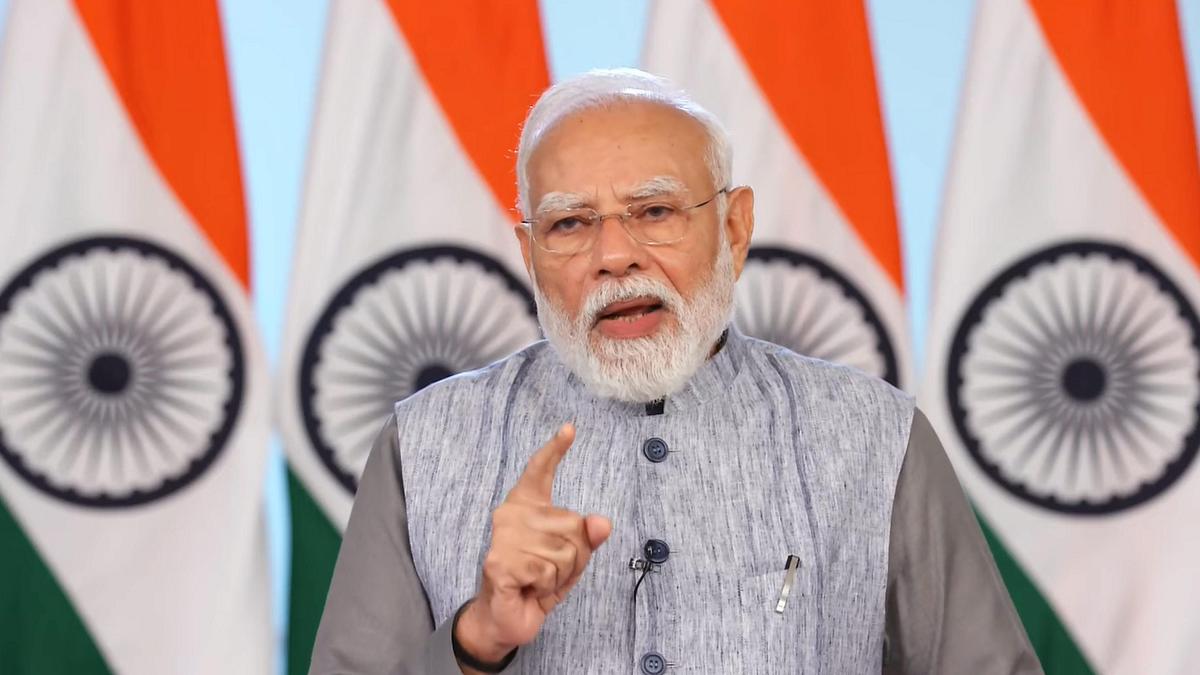
Prime Minister Narendra Modi praised the progress on social media, stating, "A historic fall in poverty. A generational rise in opportunity." The report also indicates that the southern state of Kerala has become the first in the country to declare itself free from extreme poverty.
While these figures demonstrate an overall decline in poverty, concerns about escalating inequality persist. The 2026 World Inequality Report noted that inequality levels in India remain among the highest globally. Development economist Santosh Mehrotra emphasised that despite progress, India’s sheer population size results in a significant number of individuals still living in poverty.
The World Bank’s credit for the analysis of India’s poverty trend has been affirmed by various economists, including Surjit Bhalla, who referred to the institution's data as the “gold standard” in poverty analysis.
Policy initiatives from both current and previous governments have played a pivotal role in this achievement. For instance, the employment guarantee scheme initiated by former Prime Minister Manmohan Singh provides rural residents with a minimum of 100 days work annually. The Modi government has built upon these foundations with various welfare schemes such as direct cash transfers and enhanced food security measures reaching around 800 million people.
Additionally, the government’s initiatives have expanded infrastructure projects aimed at improving sanitation access and piped drinking water in rural areas, which have been acknowledged as significant factors in improving livelihoods.
Economic experts underline that while the decline in extreme poverty is laudable, substantial efforts are still needed to tackle the ongoing issues of inequality and to further reduce the number of people living in poverty in India. Time will reveal whether the country can maintain this momentum in poverty alleviation amidst these complex challenges.
PM Modi Launches Pune Metro Pink Line: A Boost for Urban Transport
Indian Ministry Addresses Casualties from Recent Conflicts

Child Dies from Measles in New York, First Case in 30 Years
India and Israel Reject Pakistan-Sponsored UN Arms Control Resolution