PM Modi Critiques UN's Role Amidst Call for Global Governance Reform


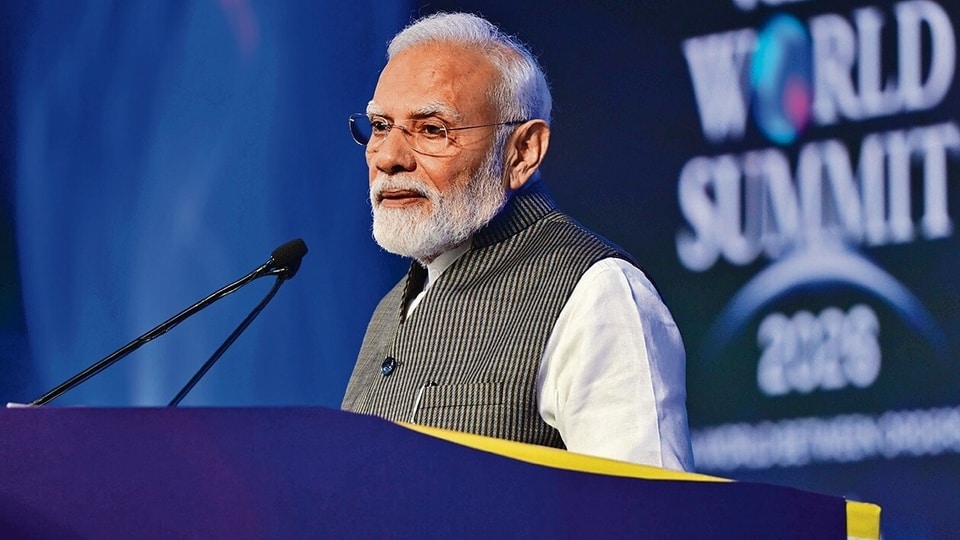
Indian Prime Minister Narendra Modi recently addressed the NDTV World Summit, describing the current state of global affairs as a "world between orders". He stated that the limitations of the United Nations (UN) and other international institutions are becoming increasingly evident in light of today's multifaceted challenges.
PM Modi emphasised the need for enhanced global governance, a stronger voice for the Global South, and increased international collaboration. He remarked that the evolving world landscape necessitates adaptations in global decision-making processes. "We have to understand two things: First, why is the world's order changing, and why is the old global order unable to provide solutions to today's challenges?" he stated.
He continued by reflecting on the lessons learned from the Second World War, asserting that the foundational principles of the UN—dialogue, cooperation, and peaceful conflict resolution—are being tested by modern complexities. Modi noted that while the UN has historically played a pivotal role in promoting global peace and cooperation, new dynamics have emerged with shifting economic power structures and escalating global challenges.
"The United Nations and other global institutions have had their historical role, but in the face of today's challenges, their limits are clearly visible," he pointed out. "Now new powers are emerging, new voices are demanding their place, and new challenges are demanding new solutions." This aligns with a broader call for a reformed approach to global governance that can effectively address contemporary issues.
During his address, Modi highlighted that various elements such as trade, technology, and maritime routes are being weaponised. This comment aligns with observations regarding recent geopolitical tensions, including the ongoing US-Iran conflict.
In a nod to ancient Indian thought, PM Modi referenced economist Chanakya, citing his notion that laxity in enforcement of laws can lead to a scenario where the strong overpower the weak. He stated, "when the law of punishment is kept in abeyance, it gives rise to Matsya Nyaya (law of the sea)."
Earlier in October, Indian External Affairs Minister S. Jaishankar echoed similar sentiments, criticising the UN's consistent inefficacy in addressing critical global crises—citing conflicts in Ukraine and the Gulf region as examples. Jaishankar argued that the UN has largely become irrelevant in discussions concerning major international challenges due to the prevailing gridlock within its Security Council, which fails to embody the comprehensive global interest.
"It's obvious to everybody by now that the UN is gridlocked," Jaishankar mentioned during an interactive session at the Kautilya Economic Conclave in Delhi. He stressed that significant reforms are necessary if the UN is to reclaim its relevance in global governance. The sentiment of inadequacy regarding multilateral institutions is gaining traction as global challenges become increasingly complex and intertwined.
The remarks made by PM Modi and Minister Jaishankar reflect a growing consensus among nations regarding the urgent need for reforms within international institutions to better serve an evolving world order and address emerging global challenges efficiently.
Indo-Tibetan Border Police Enhances Drone Capabilities Against China
Cabinet Secretariat Declines Action on Election Commissioners' Complaints
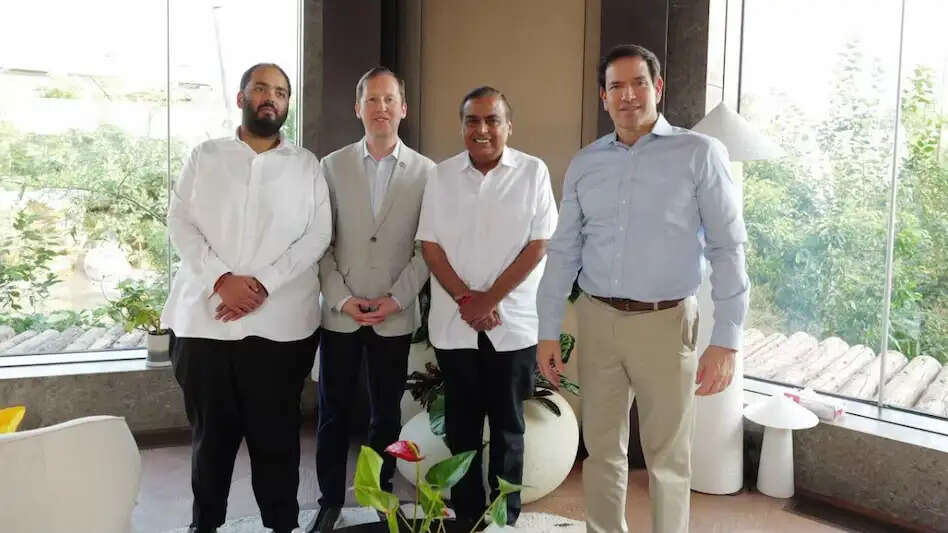
Mukesh Ambani Engages Marco Rubio on Energy and Manufacturing Initiatives

Delhi Delivery Executive Dies After Alleged Assault Over Currency Note