PCOS Awareness Month 2026: New Name and Management Strategies


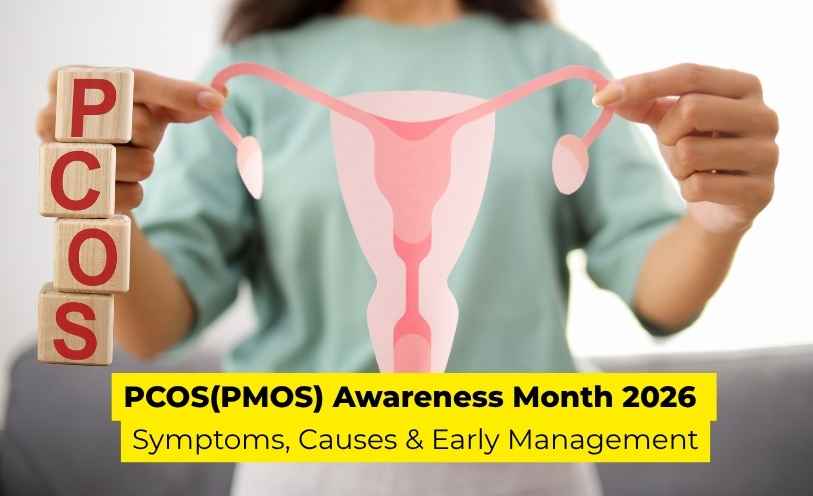
September is recognised as PCOS Awareness Month, aimed at enhancing public understanding of one of the most prevalent hormonal disorders affecting women of reproductive age. In a significant development, the condition previously known as Polycystic Ovary Syndrome (PCOS) has been officially renamed Polyendocrine Metabolic Ovarian Syndrome (PMOS). This change was announced in May 2026 by an international consortium of 56 medical and patient organisations, including the Endocrine Society, and was published in The Lancet.
The term PCOS remains commonly used in everyday discussions and online searches, resulting in the simultaneous use of both terms during awareness campaigns in 2026. PMOS is a complex hormonal disorder that can manifest in women of reproductive age, presenting with symptoms such as irregular menstrual cycles, excess androgen action, acne, additional body hair, thinning hair, and difficulties with conception.
The condition is also associated with various metabolic and psychological health challenges, including an increased risk of cardiometabolic disease and mental health issues. Given the variability in symptoms among affected individuals, effective management strategies must be personalised.
Awareness initiatives aim to improve recognition of PMOS among both the public and healthcare professionals, encourage prompt diagnosis and treatment, tackle stigma, and enhance the quality of life for those affected.
Recognising the signs is crucial, as many may overlook symptoms or delay seeking appropriate medical intervention. Promoting awareness encourages individuals to seek medical help for issues such as menstrual irregularities, excess hair growth, acne, sudden weight gain, or fertility problems.
Furthermore, it is essential to emphasise that PMOS encompasses more than just reproductive health. Evidence-based strategies highlight the importance of addressing metabolic health, cardiovascular risks, sleep patterns, mental well-being, and pregnancy-related complications.
Nutrition plays a vital role in managing PMOS. There is no singular perfect diet; rather, a focus on mindful eating is recommended, emphasising a variety of fresh, seasonal vegetables, fruits, whole grains, legumes, lean proteins, healthy fats, and fibre. It is advisable to limit highly processed foods and added sugars, as well as refined flour, to enhance overall metabolic health. Dietary choices should be tailored to individual nutritional needs and health objectives.
Physical activity is an essential component of PMOS management. A well-rounded routine incorporating aerobic exercise, strength training, and daily movement can foster improved metabolic health and overall wellness. The International PCOS guideline advocates for lifestyle interventions that include exercise, healthy eating, and behavioural strategies, noting that health benefits can arise even without significant weight loss. For those with excess weight, a personalised approach to weight management may lead to improved PCOS-related outcomes. However, it must be acknowledged that PMOS can occur in individuals of all body sizes, and management should extend beyond weight loss.
In addition, poor sleep and psychological stress can negatively impact overall well-being, complicating efforts to maintain healthy lifestyle habits. Maintaining a consistent sleep schedule and integrating stress management practices such as yoga, meditation, and other relaxing activities can be beneficial. Mental health should be regarded as a crucial aspect of comprehensive PMOS care, rather than a secondary concern. While lifestyle changes are important, they are not the sole aspect of managing PMOS. Depending on individual symptoms, healthcare providers may recommend medications or other interventions for menstrual irregularities, androgen-related symptoms, metabolic issues, or fertility concerns. Regular medical check-ups can assist in assessing additional health risks associated with the condition.
Effective management of PMOS is achievable. Although it is a chronic health condition, its symptoms and associated risks can often be managed with appropriate lifestyle adjustments, medical treatments, and regular follow-ups. A combination of healthy eating, consistent physical activity, proper sleep, stress management, and suitable medical care can all contribute to improved long-term health outcomes and enhanced quality of life.
In conclusion, individuals living with PMOS can enhance their overall health and mental well-being through comprehensive care that focuses on a variety of factors beyond reproductive symptoms. A holistic management approach should consider reproductive health, metabolic concerns, cardiovascular risk, skin and hair issues, sleep, and mental health. Regular consultations with an endocrinologist can help ensure that treatment plans are tailored to individual symptoms, risks, and health goals.

Election Commission Restricts TMC Use of Name and Symbol in Bypolls

World's Highest Flower Fields Open in Leh, Ladakh at 10,600 Feet

Nepal Flood Victims' Families Urge Legislative Changes for Death Certificates

Trump Labels Canada's EU Associate Membership Bid 'Hostile Act'
