Panama Canal Fees Surge Amid Iran Conflict and El Niño Effects


&imwidth=800&imheight=600&f)
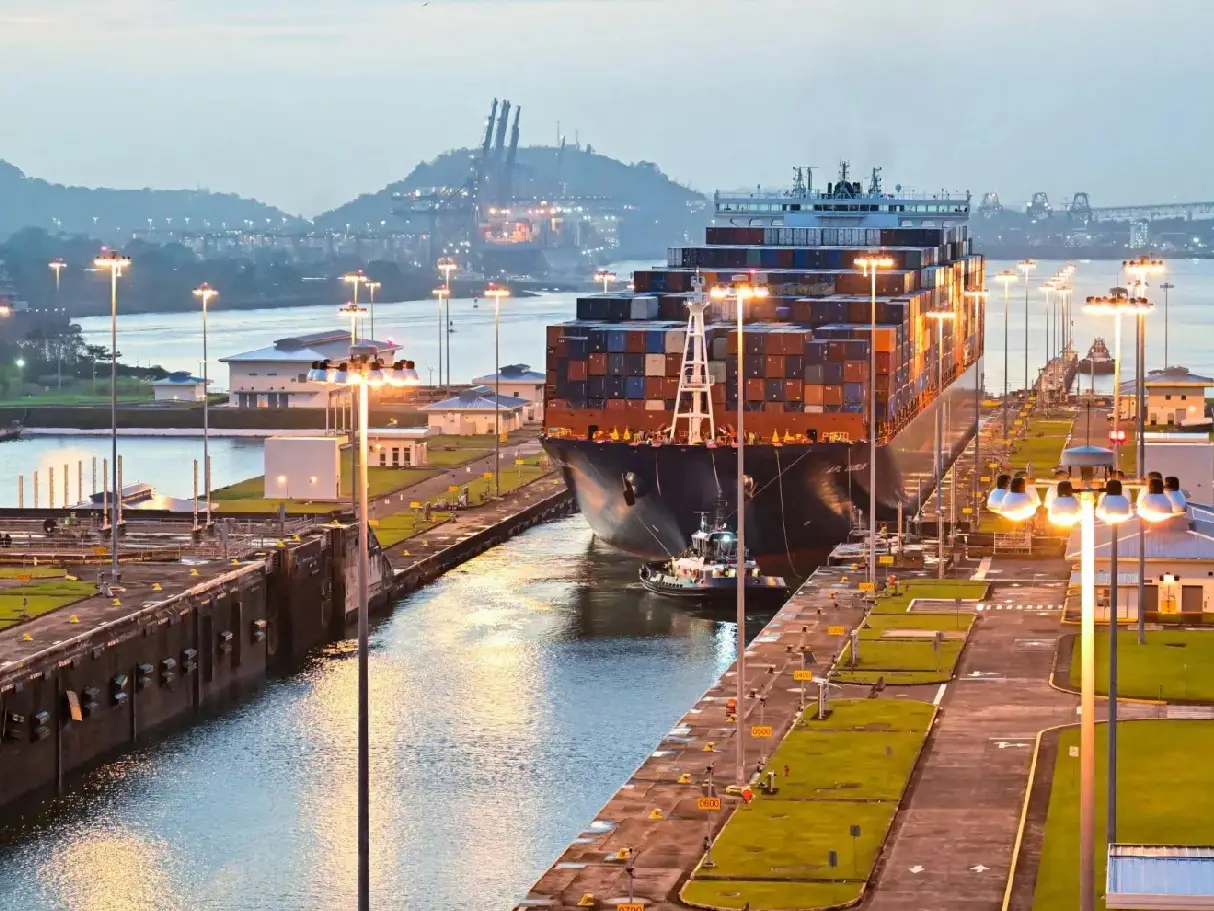
Commercial vessels navigating the Panama Canal are seeing significant increases in transit fees, largely due to disruptions caused by the Iran war and the effects of the ongoing El Niño weather phenomenon. Reports indicate that a container ship paid approximately $4 million (£3 million) to expedite its passage through the crucial maritime route, a move highlighting the vulnerabilities in global trade systems.
Currently, ships waiting to transit the canal face delays of around 10 days, marking the largest backlog since May, according to Argus Media. The Panama Canal, which connects the Pacific and Atlantic oceans, is a preferred route for shippers, particularly as it typically offers reduced costs and shorter transit times, especially for major retailers and energy firms that engage in trade between Asia and the United States.
Normally, shipping companies pay a standard fee to secure a transit slot. However, the Panama Canal Authority (ACP), the governing body of the canal, also conducts daily auctions that allow shipowners to bid for priority access. Base bids start at about $15,000 for smaller cargo vessels and rise to $55,000 for larger ships, but these figures can increase drastically during periods of congestion or high demand.
The vessel that reportedly secured the $4 million transit slot is the Seaspan Benefactor, noted for its capacity of 10,100 twenty-foot equivalent units (TEU), according to a Bloomberg report. This fee was over double the average bid from the week prior. Shipowners have demonstrated a willingness to pay significantly elevated prices to bypass lengthy queues, particularly as a result of increased naval conflicts in the Middle East, which have rendered the Strait of Hormuz and Bab al-Mandab, a vital passage, largely inaccessible.
According to the Financial Times, transit fees along the Panama Canal’s busiest routes have reached unprecedented levels as water levels continue to decline due to the ongoing El Niño conditions. Earlier this month, the ACP announced it would introduce limits in late August and early September on the permissible draft, or depth, of ships travelling through the canal to maintain flow. Previous revisions in July had already enforced a reduction in the maximum draft, compelling vessels using the Neopanamax locks to carry lighter loads.
The ACP explained that these measures were taken in response to water level fluctuations and forecasts regarding Gatun Lake, the artificial reservoir that supplies the canal. The authority indicated it was prepared to enact preventative measures during El Niño, reflective of lessons learned during the event in 2023-2024, while continuing to closely monitor weather conditions.
Concerns among shipowners persist regarding the potential for the ACP to impose further restrictions on the number of vessels permitted to transit the waterway, reminiscent of a prolonged drought in the region in 2023 that caused extensive delays.
Between October and June, the ACP reported a 5% increase in the number of transits through the canal, averaging 35 vessels daily. This surge was underpinned by higher tonnage, which was largely driven by container ships and carriers of liquefied petroleum gas.
The Panama Canal is not alone in facing challenges due to low water levels; similar issues are affecting other critical trade routes globally. Concerns are mounting regarding the economic implications of the climate crisis, as prolonged dry spells in Europe have resulted in historically low water levels on key rivers, including the Rhine. Traders have pointed out that some cargo shipments on the Rhine cannot be booked, forcing them to resort to more expensive alternatives, such as overland transport by road and rail. The Rhine is a crucial shipping route in Europe, vital for the transportation of grains, fuels, minerals, and other goods. This situation is indicative of the broader ramifications of climate change on global trade logistics.
BJP Allies Urge Election Commission to Address Public Concerns
Thousands of Ganesh Idols Immersed in Telangana Festivities
Jaishankar Calls Attacks on Civilian Shipping ‘Indefensible’
Indian Prime Minister Urges Integration of Social Reforms in Governance