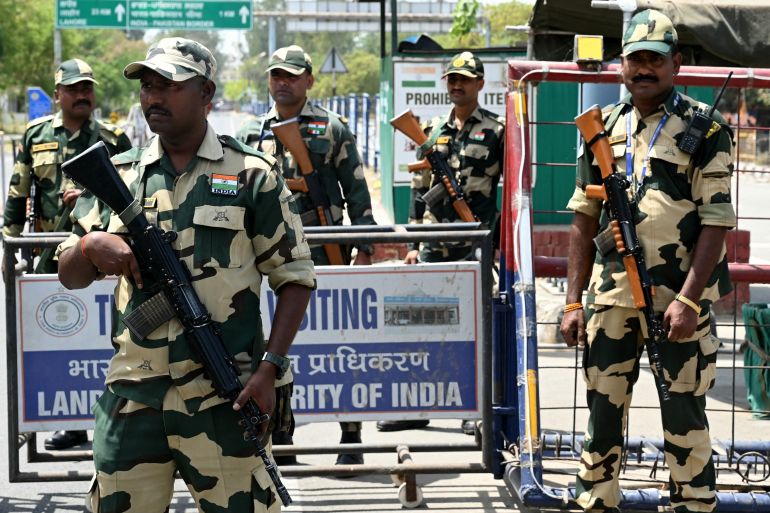
Pakistan Warns Against Water Deprivation Under Indus Treaty


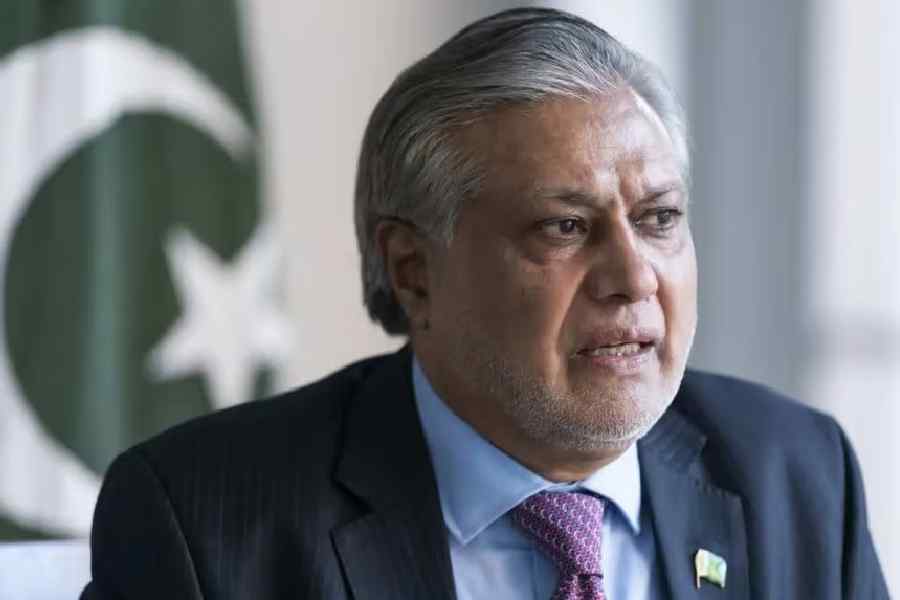
Pakistan has issued a stern warning regarding potential deprivation of water allocated under the Indus Waters Treaty, stating that such actions could lead to significant repercussions for regional peace and security. Deputy Prime Minister Ishaq Dar articulated this view during a virtual seminar titled ‘The Indus Waters Treaty: South Asian Security at the Crossroads’. According to a report by Dawn, Dar emphasised that the issue transcended bilateral relations and was crucial for the integrity of treaties and confidence in international law.
Dar highlighted Pakistan's commitment to resolving disputes amicably through dialogue and the mechanisms provided within the treaty. Established in 1960 and facilitated by the World Bank, the Indus Waters Treaty regulates the distribution of water from six rivers in the Indus basin. The agreement allotted the three eastern rivers to India and the three western rivers to Pakistan.
Since April 2025, India has put the treaty in 'abeyance' due to security concerns stemming from a terrorist attack in Pahalgam. Dar noted that the treaty does not include provisions allowing either country to suspend it unilaterally. He remarked, "Neither country could, through a unilateral political declaration, extinguish obligations solemnly undertaken under international law."
The significance of the treaty is particularly pronounced for Pakistan, which relies heavily on the Indus river system for agriculture, food security, energy generation, and economic development, impacting over 250 million people. The Deputy Prime Minister linked the matter to broader issues of climate change, stating that Pakistan faces severe water stress, with changing precipitation patterns and increased hydrological variability posing additional challenges.
Dar reaffirmed, "Any attempt to deprive Pakistan of the waters rightfully allocated to it under the Indus Waters Treaty would have profound consequences for regional peace and security." In response to the Pahalgam attack on April 22, 2025, India implemented various punitive actions against Pakistan, which includes placing the treaty in abeyance. India claims the treaty's suspension is a necessary response to Pakistan's ongoing support for cross-border terrorism. This ongoing tension continues to shape discussions surrounding water security and regional stability.
As the situation evolves, the implications of the Indus Waters Treaty remain a critical factor in South Asian geopolitics.

Kerala Initiates Probe into 2006 Suicide Case Involving CEC

Extradition of Sheikh Hasina Feasible, Says Indian High Commissioner

Punjabi Makeup Artist Mad Sandhu Shot Dead in Amritsar

India Achieves Fourth Place at Asian Games 2026 Through Late Success