Pakistan and Turkiye Hold Urgent Talks in Response to Houthi Attacks


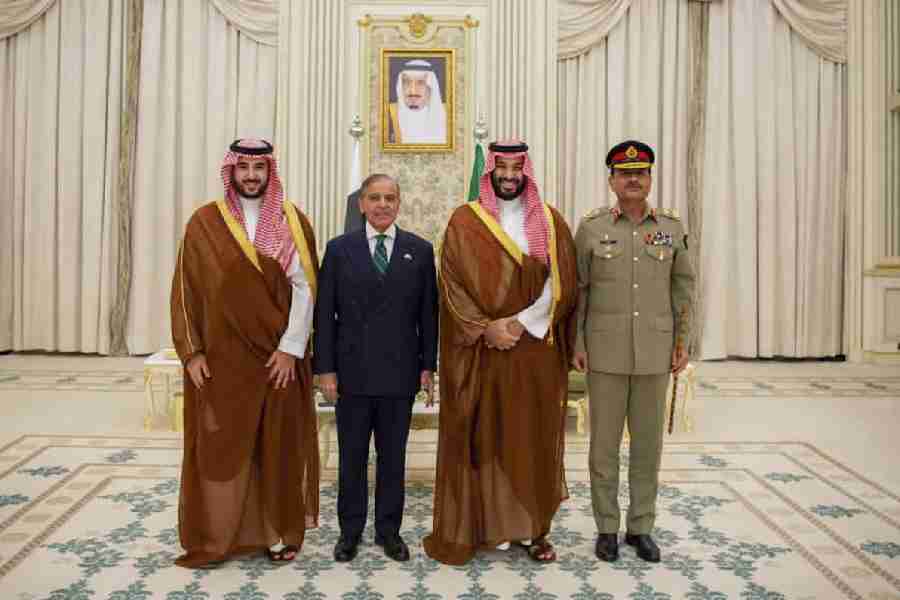
Military leaders from Pakistan and Turkiye have arrived in Riyadh for urgent discussions prompted by Saudi Arabia's request. This meeting responds to escalating attacks from Houthi forces in Yemen, which have increasingly threatened Saudi territory.
Turkiye’s Defence Ministry confirmed that General Selcuk Bayraktaroglu, the chief of general staff, is travelling to Saudi Arabia. Additionally, Pakistan's chief of defence forces, Field Marshal Asim Munir, is expected to join him shortly, although confirmation of his departure has not been received from Pakistan’s Inter-Services Public Relations.
These developments come after discussions held in New York on September 24 between Saudi Foreign Minister Prince Faisal bin Farhan, Pakistan's Deputy Prime Minister and Foreign Minister Ishaq Dar, and Turkish Foreign Minister Hakan Fidan. The meeting addressed mechanisms for implementing the Mecca Joint Defence Agreement, which sees any attack on one of the three nations—Saudi Arabia, Turkiye, and Pakistan—as an attack on all.
Recent weeks have seen Houthi forces escalating missile and drone attacks on Saudi Arabia, including targeting vital facilities and urban areas. Reports indicate that Saudi air defences intercepted several ballistic missiles aimed at different locations. The Saudi authorities have issued alerts for several major cities following these threats.
Turkiye and Pakistan have responded cautiously regarding military involvement. Pakistan’s Ishaq Dar remarked earlier that discussions would focus on establishing frameworks for regional security, while officials in Turkiye described the meetings as reviews of ongoing technical negotiations. Meanwhile, the Houthi group has issued warnings against foreign intervention, indicating that involvement from Pakistan or Turkiye would not be tolerated.
In alignment with regional dynamics, the Grand Mufti of Saudi Arabia, Sheikh Saleh Al-Fawzan, has called for unity against the Houthi threat, stating that the defence of national borders is paramount. Saudi King Salman expressed similar sentiments, highlighting the religious significance of defending the Kingdom.
Analysts note that both Pakistan and Turkiye face internal challenges that may impede their military commitments. Pakistan is currently managing multiple security concerns, including tensions at its borders, while Turkiye’s ongoing military engagements yield questions about its capacity to commit additional forces abroad.
The urgency of these talks reflects broader concerns regarding the Houthis’ territorial gains, particularly in strategic areas along Yemen’s coastline, which threaten key maritime shipping routes. The situation is dire for civilians, with renewed clashes causing significant displacement within Yemen, exacerbating an already critical humanitarian crisis.

Court Allows Seven Foreign Nationals to Return Home in Drone Case
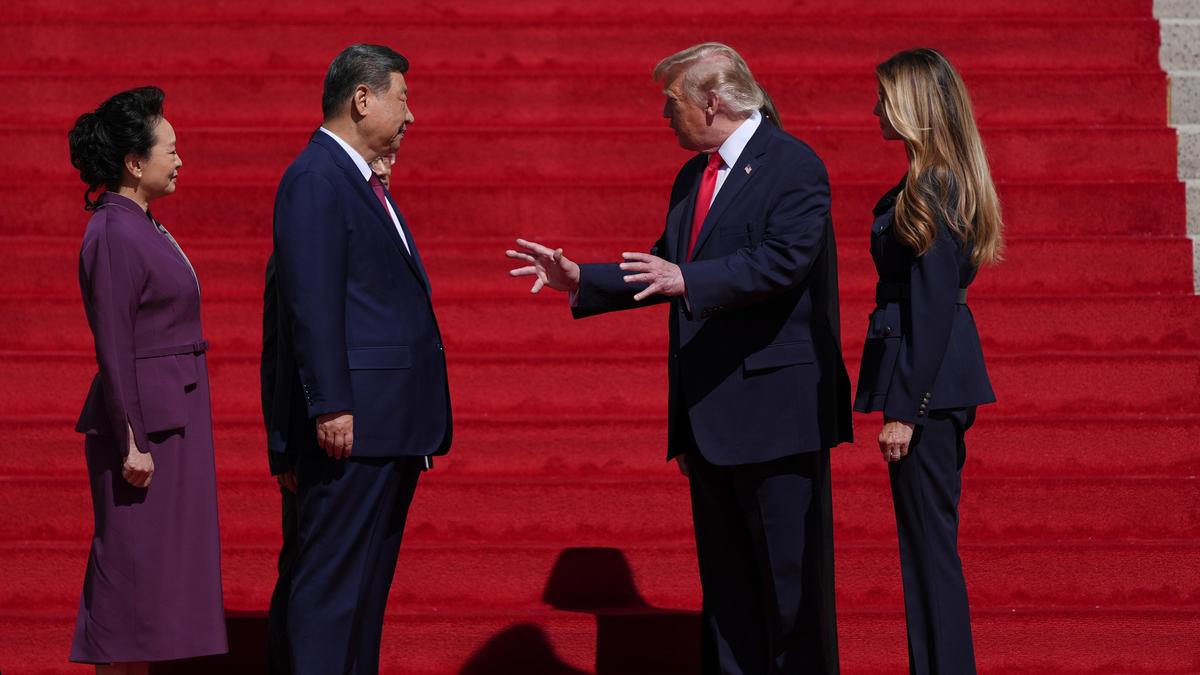
Trump and Xi Discuss AI and Iran During Productive Meetings
Iran Proposes Fund Agreement for Strait of Hormuz Reopening
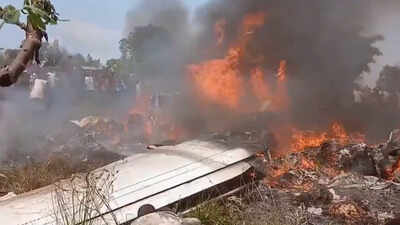
Congo Plane Crash Claims 14 Lives, Including Military Officials