Pakistan's Kashmir Narrative at the UN General Assembly


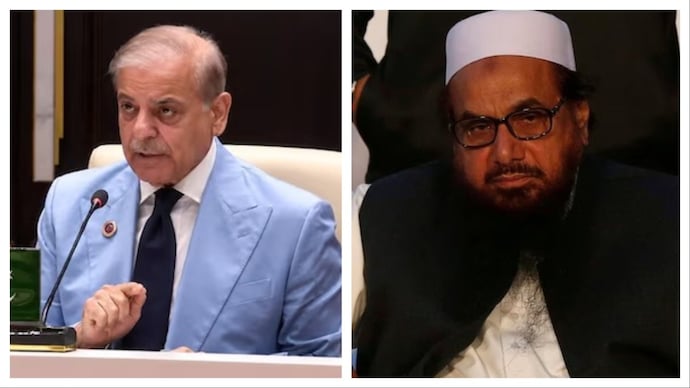
As Pakistan Prime Minister Shehbaz Sharif prepares to speak at the 81st United Nations General Assembly (UNGA) on 25 September, discussions have emerged regarding his previous comments made during last year's assembly. In his address, he highlighted Pakistan's sacrifices in the fight against terrorism.
Sharif remarked, "Had these terrorists not been encountered by us, they would have been roaming on the streets of New York and London and God knows far East." This statement has resurfaced as part of the broader context of his upcoming UN speech.
This will mark Sharif's third address to the assembly as Prime Minister. He previously referenced historical conflicts with India, specifically the four-day war that followed India’s Operation Sindoor in May 2025, stating, "We have won the war and now we seek to win peace in our part of the world."
In what appears to be a familiar approach, Sharif’s speech is likely to draw on longstanding themes of Kashmir. Historically, Pakistan has leveraged the UN platform to reiterate its stance on Kashmir, advocating for the region's self-determination per United Nations resolutions. This pattern has persisted for decades, from Zulfikar Ali Bhutto's speeches in the 1960s to more recent addresses by former Prime Ministers Imran Khan and Nawaz Sharif.
During last year’s address, Sharif expressed a desire for a “composite, comprehensive, result-oriented dialogue” with India regarding all unresolved issues, particularly Kashmir. He framed his remarks within the context of Pakistan’s military successes, suggesting that India was left “humiliated” by their encounters. Despite claiming strength, he acknowledged the temporary ceasefire arranged by then-U.S. President Donald Trump, describing him as a “man of peace.”
He added, “Had he (Trump) not intervened timely and decisively, the consequences of a full-fledged war would have been catastrophic.” As a gesture of gratitude, Sharif stated that Pakistan nominated Trump for the Nobel Peace Prize.
Sharif also expressed appreciation to several countries, including China, Qatar, Turkey, Iran, Saudi Arabia, Azerbaijan, and the United Arab Emirates, for their diplomatic support, highlighting how these relationships have been instrumental for Pakistan.
The tradition of raising the Kashmir issue during the UNGA continues to be a focal point for Pakistani leaders. Imran Khan's notable 2019 address took place against the backdrop of heightened tensions following the Pulwama attack and the subsequent Indian response. During that address, Khan underscored the importance of discussing Kashmir, stating, "Kashmir is the reason why I specially came here." His address notably exceeded the standard time limit, reflecting the urgency he placed on the issue.
Khan asserted that Pakistan had attempted to foster relationships with India during his administration but faced challenges. He alleged that India responded to Pakistan's overtures with accusations of terrorism emanating from his country.
As the UNGA convenes, the spotlight will again be on Pakistan's narrative surrounding Kashmir, with Shehbaz Sharif poised to continue this long-standing diplomatic strategy on the international platform.
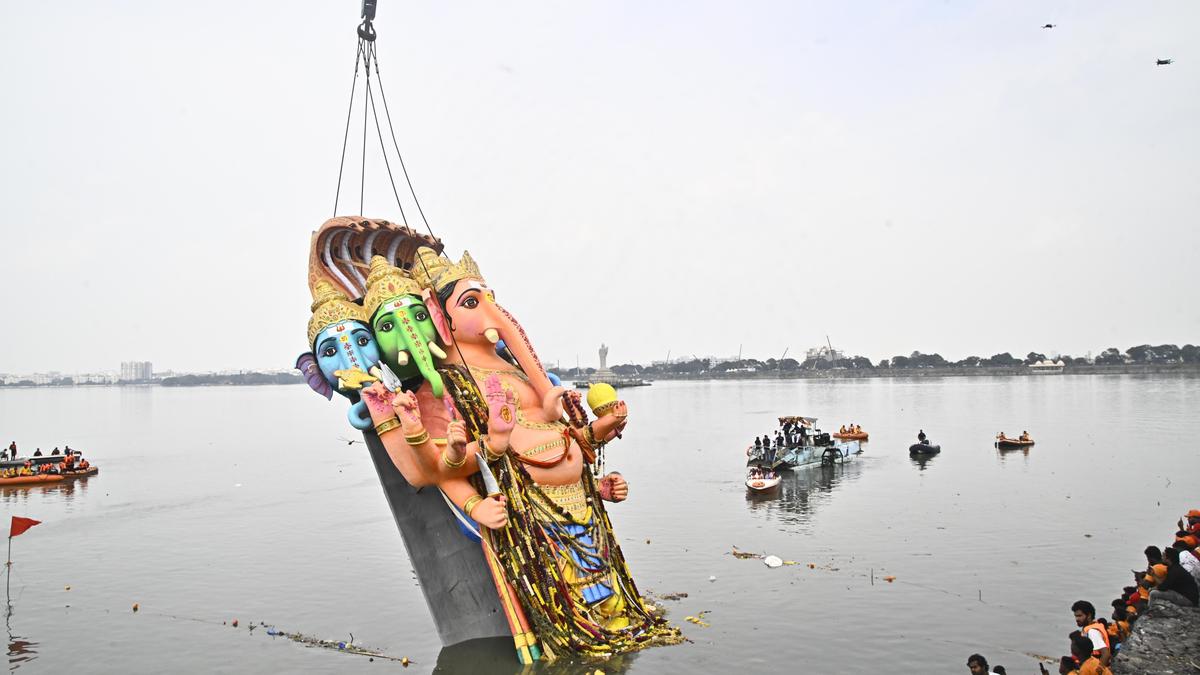
Thousands of Ganesh Idols Immersed in Telangana Festivities
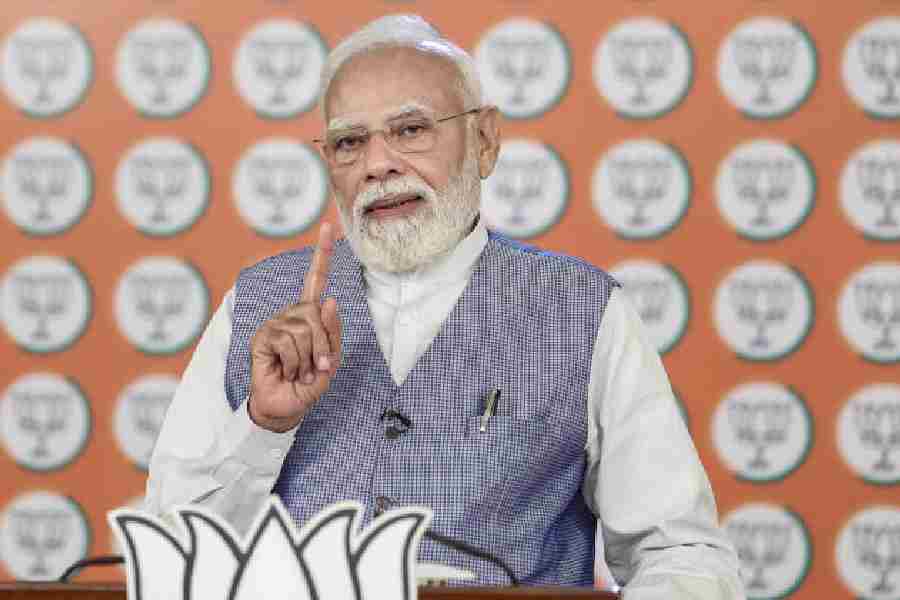
Indian Prime Minister Urges Integration of Social Reforms in Governance

PB Fintech Shares Plunge Following IRDAI Insurance Reform News
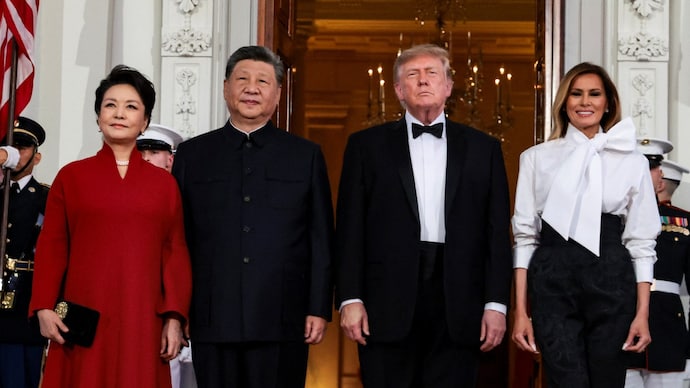
China and US Reach Consensus on Key Economic Challenges