Pakistan Engages Iran for Diplomatic Talks Amid Regional Tensions


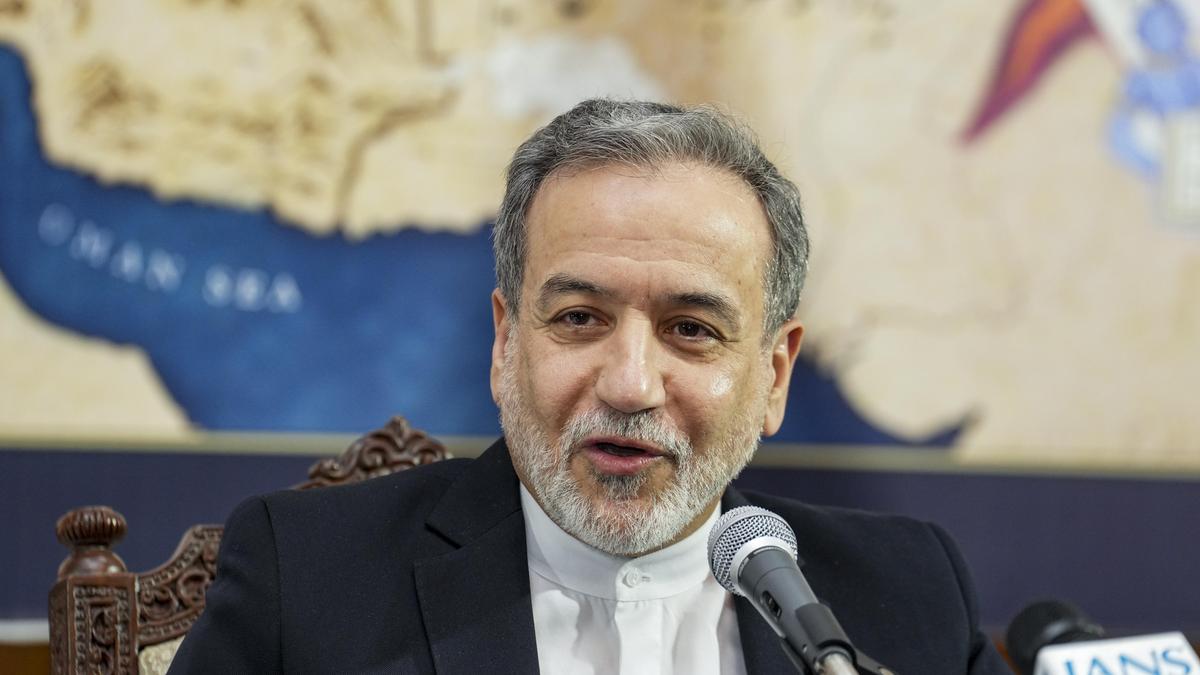
Pakistan has extended invitations to senior Iranian officials for discussions aimed at mediating tensions between the United States and Iran, which have escalated in recent months. The Ministry of Foreign Affairs of Pakistan announced that Foreign Minister Ishaq Dar contacted his Iranian counterpart, Abbas Araghchi, inviting him to visit Islamabad at the earliest opportunity. Additionally, National Assembly Speaker Ayaz Sadiq invited Iranian negotiator Mohammad Bagher Ghalibaf to take part in these talks.
As of now, it is uncertain when these visits might take place. The outreach comes at a time when US President Donald Trump has accused Iranian leaders of being 'unbelievably duplicitous' regarding ongoing diplomatic negotiations. Trump, in a series of social media posts, labelled the current situation as Iran's 'last chance' to come to a satisfactory agreement and warned of severe consequences should talks fail.
The Iranian Ministry of Foreign Affairs, represented by spokesperson Esmaeil Baghaei, dismissed claims of active negotiations with the US, stating that discussions are focused solely on technical matters with Oman regarding the reopening of the Strait of Hormuz, a critical waterway through which a substantial portion of the world's oil is transported.
Despite the challenges, Pakistan maintains its role as a mediator between the two nations, a position it has upheld since the onset of conflict in late February. In April, Islamabad hosted the first direct talks between the US and Iran in decades, resulting in the signing of a Memorandum of Understanding (MoU) in June involving Pakistani Prime Minister Shehbaz Sharif, the Iranian President Masoud Pezeshkian, and Trump. However, the ongoing turmoil has seen agreements quickly unravel, with previous ceasefires failing shortly after their initiation.
The Pakistani Foreign Ministry has consistently expressed its commitment to the MoU as a framework for peace, despite its repeated breakdowns. This week, Pezeshkian reaffirmed the importance of the MoU, describing it as a foundation for Iran's future international relations.
Asif Durrani, a former Pakistani ambassador to Iran, regards the MoU as a crucial document for diplomatic engagement rather than a failed effort. Meanwhile, experts like Grace Wermenbol highlight that the persistent conflict has undermined the necessary trust for a long-lasting ceasefire, complicating any peace initiatives.
The situation remains fluid, with additional diplomatic efforts underway involving Oman and Iran regarding the Strait of Hormuz. US Secretary of State Marco Rubio has expressed concerns about the potential consequences of Iranian control over this vital maritime passage.
With various nations involved in alleviating tensions, including Pakistan, Oman, and Qatar, experts argue that regional collaboration can be beneficial in addressing the complex dynamics of the conflict. However, the effectiveness of Pakistan as a mediator has come under scrutiny, as some analysts suggest its role may shift from a mediator to merely a facilitator.
The quest for peace continues amid an intricate web of diplomacy, with many actors trying to navigate the delicate balance in international relations surrounding Iran and the US.
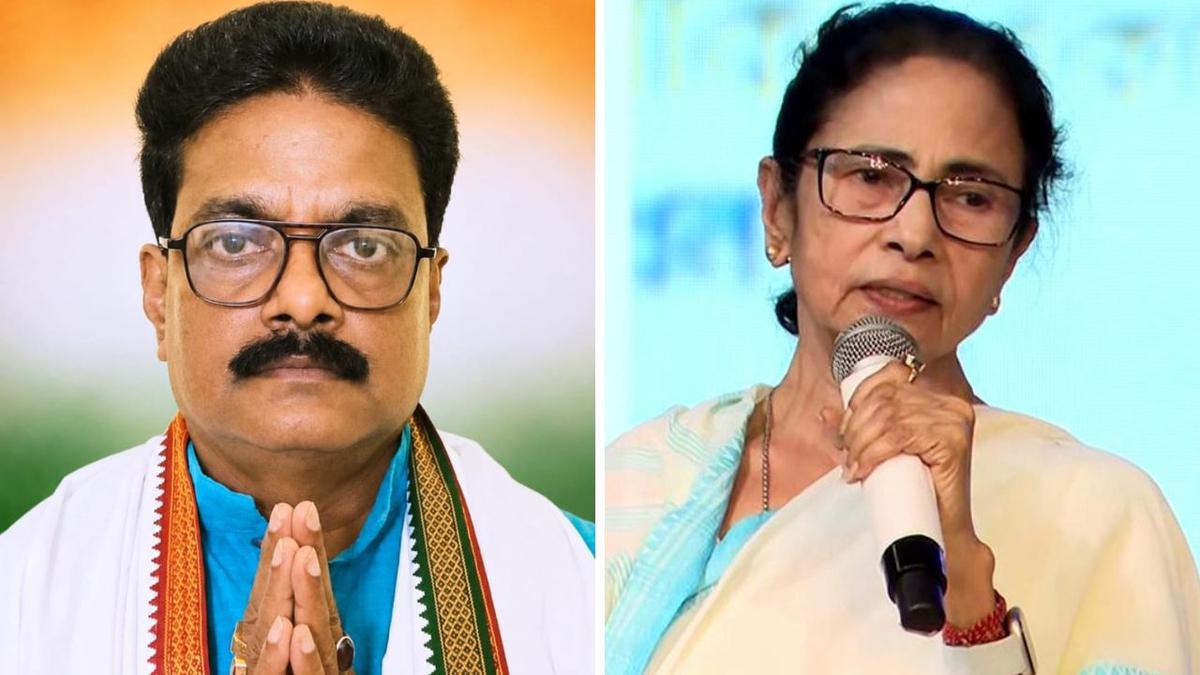
Mamata Banerjee Challenges Election Commission in Supreme Court
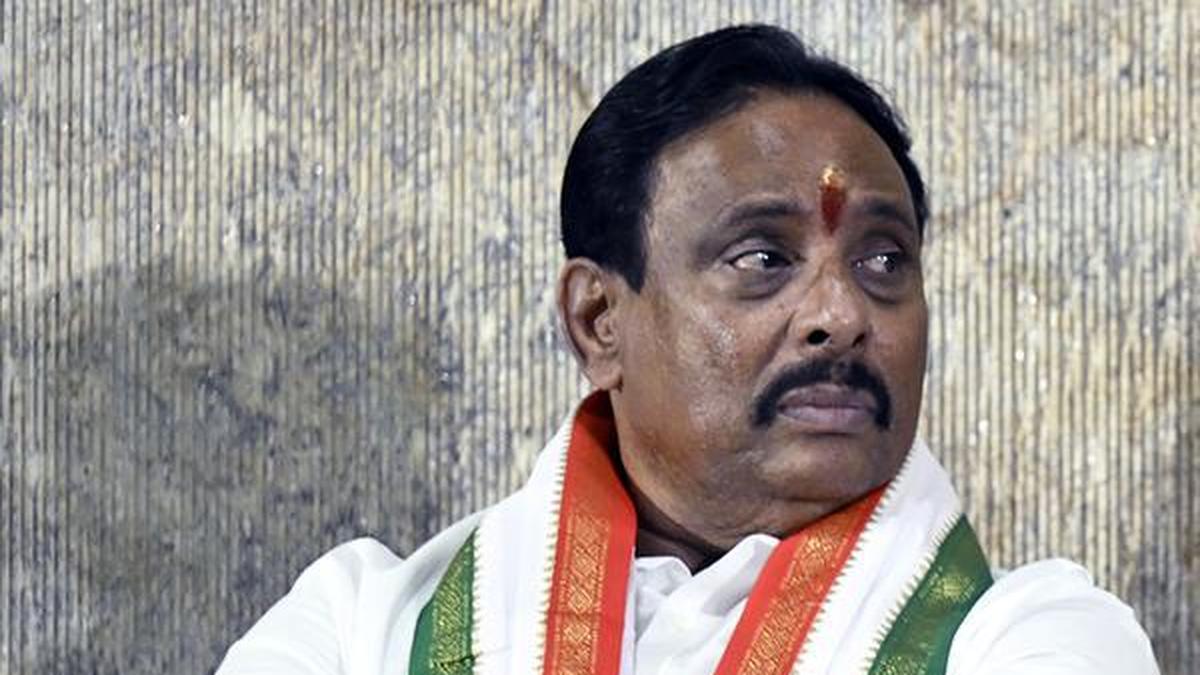
Telangana High Court Disqualifies MLA Danam Nagender Amid Political Fallout

Scottish Sikh Man Receives Bail in India After Nine-Year Detention

Delhi Police Investigate Gang-Rape and Murder of 16-Year-Old Girl