Pakistan's Crackdown on Begging: Over 66,000 Travellers Stopped


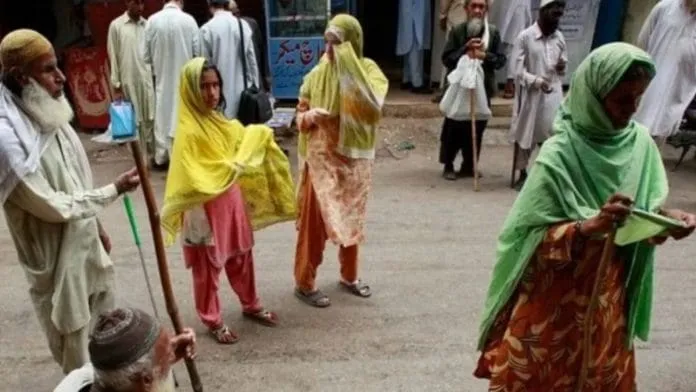
In 2025, Pakistani authorities have taken significant measures to curb the issue of organised begging, resulting in over 66,000 individuals being stopped from departing for foreign destinations. The majority of these travellers were reportedly en route to Riyadh, Saudi Arabia, where they intended to engage in begging activities. According to the Federal Investigation Agency (FIA), a substantial number of these deported citizens were caught trying to enter the country on work, tourist, or religious pilgrimage visas that were deemed suspicious.
The FIA presented these figures during a meeting of the National Assembly Standing Committee on Overseas Pakistanis and Human Resource Development. As reported, approximately 52,000 Pakistanis were expelled from 41 different countries throughout the year. The most significant numbers were recorded from Saudi Arabia, with around 24,000 deportations, followed by the United Arab Emirates and Azerbaijan, which saw 6,000 and 2,500 deportations, respectively.
FIA Director General Riffat Mukhtar highlighted the ongoing problem of illegal migration and organised begging, stating that these activities severely undermine Pakistan's international reputation. "This year, 155 Pakistanis have faced daily deportations from various countries," Mukhtar noted.
Legislative Measures
In response to growing concerns regarding this issue, the Pakistani government has introduced several legislative measures aimed at combating organised begging. Earlier in 2025, the government passed the Prevention of Trafficking in Persons (Amendment) Bill, the Prevention of Smuggling of Migrants (Amendment) Bill, and the Emigration (Amendment) Bill, which collectively ban organised begging and impose penalties on traffickers. Under the new laws, prison sentences for traffickers can range from three to ten years, along with fines of up to PKR 1 million (approximately £3,500).
The authorities have also implemented administrative penalties, suspending the passports of 2,000 individuals suspected of travelling abroad for begging purposes. These passports will remain invalid for a period of seven years. Furthermore, around 4,300 beggars have been placed on Pakistan's Exit Control List, a no-fly list, following reports from Iraqi and Saudi diplomats about overcrowded prisons filled with Pakistani beggars.
Societal Implications
The issue of begging is not new in Pakistan, where a significant number of people rely on it for their livelihood. A report from Pakistan’s Centre for Business and Society estimates that there are approximately 38 million professional beggars in the country, generating an average daily income of PKR 850 per person. This equates to an annual charitable giving of around PKR 117 trillion (approximately £420 billion).
Religious practices in Pakistan, such as visiting shrines and giving alms, play a crucial role in this phenomenon, with many organised begging rings exploiting these traditions. Reports indicate that a large number of children are also involved in these networks, raising concerns about child exploitation and trafficking. It is estimated that between 2.5 and 11 per cent of Pakistan’s population survives through begging, with many children living on the streets of major cities.
In 2023, a significant number of Pakistani nationals were arrested for petty crimes, such as pickpocketing, particularly in Mecca, highlighting the impact of this issue on the country's image abroad. The growing trend of Pakistani beggars abroad has prompted host countries to tighten visa regulations, adversely affecting genuine travellers and workers from Pakistan.
Efforts to Combat the Issue
In light of these challenges, the FIA has implemented various strategies, including the use of artificial intelligence to identify suspicious travellers at airports. Surveillance systems have been installed to monitor immigration processes more effectively. The agency reported a decrease in illegal migration cases, with the number of Pakistanis travelling illegally to Europe dropping from 8,000 last year to 4,000 this year.
Despite these efforts, the issue of organised begging continues to pose a significant challenge for Pakistan, affecting not only those involved but also the broader reputation of the nation on the international stage. The government remains committed to addressing these concerns and is actively seeking solutions to prevent further issues related to illegal migration and begging.

Canada and India Accelerate Trade Talks Ahead of December Visit

US President Donald Trump Addresses UN General Assembly in 2026

Richa Chadha Commends Salman Khan's Stand Against Body-Shaming

Delhi University Students Express Concerns Over Safety After Assault