EU Leaders Debate Use of Frozen Russian Assets for Ukraine Funding


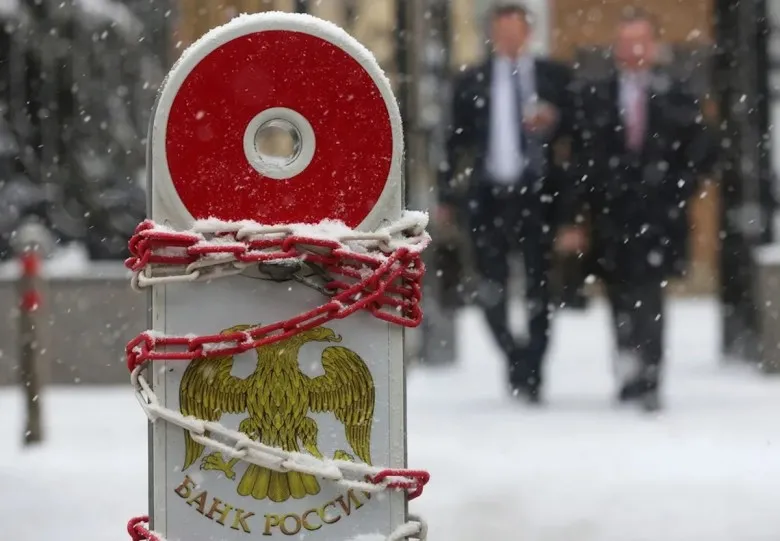
European Union leaders convened in Brussels to deliberate a controversial initiative aimed at utilising approximately 210 billion euros (around £185 billion) in frozen Russian assets to aid Ukraine's military operations against Russia. This proposal comes at a time when financial aid from the United States appears to be diminishing, placing additional strain on the EU's national budgets.
The crux of the discussion revolves around the potential to convert these frozen assets into a loan for Ukraine, a move that Russia has categorically opposed. The EU plans to lend this money to Ukraine over the next two years, with the expectation that Russia would eventually reimburse these funds through projected reparations—a concept Moscow disputes.
Ukrainian President Volodymyr Zelenskyy has underscored the urgency of securing financial support, warning that failing to do so could lead to Russia feeling empowered and potentially spark further conflicts on European soil. Without additional funding, officials have cautioned that Ukraine could face a financial shortfall by April next year, which could jeopardise its military efforts and enhance Russia's influence across Europe.
In response to the controversy, the European Commission has proposed an alternative plan whereby the EU would independently raise funds to lend to Ukraine. However, this option has been temporarily set aside due to opposition from Hungarian Prime Minister Viktor Orban, who is expected to veto the proposal, which requires unanimous consent from all 27 member states.
Analysts suggest that the utilisation of frozen Russian assets is increasingly viewed as the only plausible means for the EU to finance Ukraine's continuing military needs. Despite this, German Chancellor Friedrich Merz has indicated that the likelihood of reaching a consensus remains uncertain.
This proposed scheme marks a significant departure from historical norms, as even during the Second World War, German state assets were not seized in this manner. Belgium’s Prime Minister Bart De Wever has expressed concerns about the legal ramifications of such a move and fears that Belgium could be held liable if courts later rule that the use of these assets was unlawful.
Belgium is seeking binding agreements from fellow EU states to mitigate any potential liabilities and requires assurances that Russian assets located outside of Belgium would also be included in the scheme. The majority of the frozen Russian assets in the EU—approximately 185 billion euros—are currently managed by Euroclear, a financial services firm based in Brussels.
While some member states, including Germany and the Netherlands, have indicated support for the loan initiative, others, such as Italy and Bulgaria, remain undecided. Although the proposal only necessitates a qualified majority for approval, EU officials are keen to secure Belgium’s backing, as a dissenting vote could undermine the political integrity of the EU’s decision-making process.
In reaction to the EU's potential actions, Russia’s central bank has announced plans to pursue legal action against European financial institutions if any attempt is made to utilise frozen Russian assets for Ukraine's benefit. Chris Weafer, CEO of the consultancy Macro-Advisory, remarked that Moscow might perceive such actions as the beginning of a financial conflict with the EU.
“The Kremlin is drawing a line on this issue,” Weafer stated, adding that retaliatory measures from Russia would likely follow any moves made by Europe regarding these assets.
The day prior, Russian military operations continued to intensify, with reported attacks across various regions in Ukraine resulting in multiple injuries. In retaliation, Ukrainian forces also conducted strikes in Russian-occupied areas.
As discussions proceed, the EU faces a critical juncture in its approach to supporting Ukraine’s military efforts while navigating complex legal, political, and financial challenges that arise from the proposed use of frozen Russian assets.
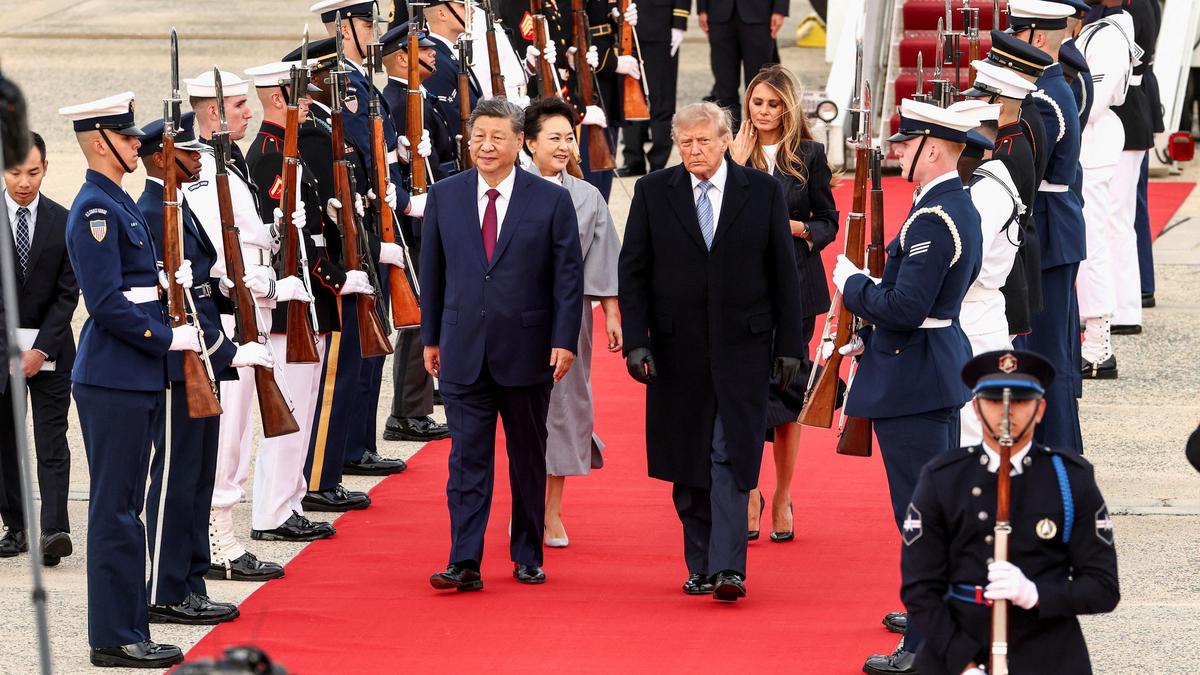
Chinese President Xi Jinping Begins State Visit to Washington
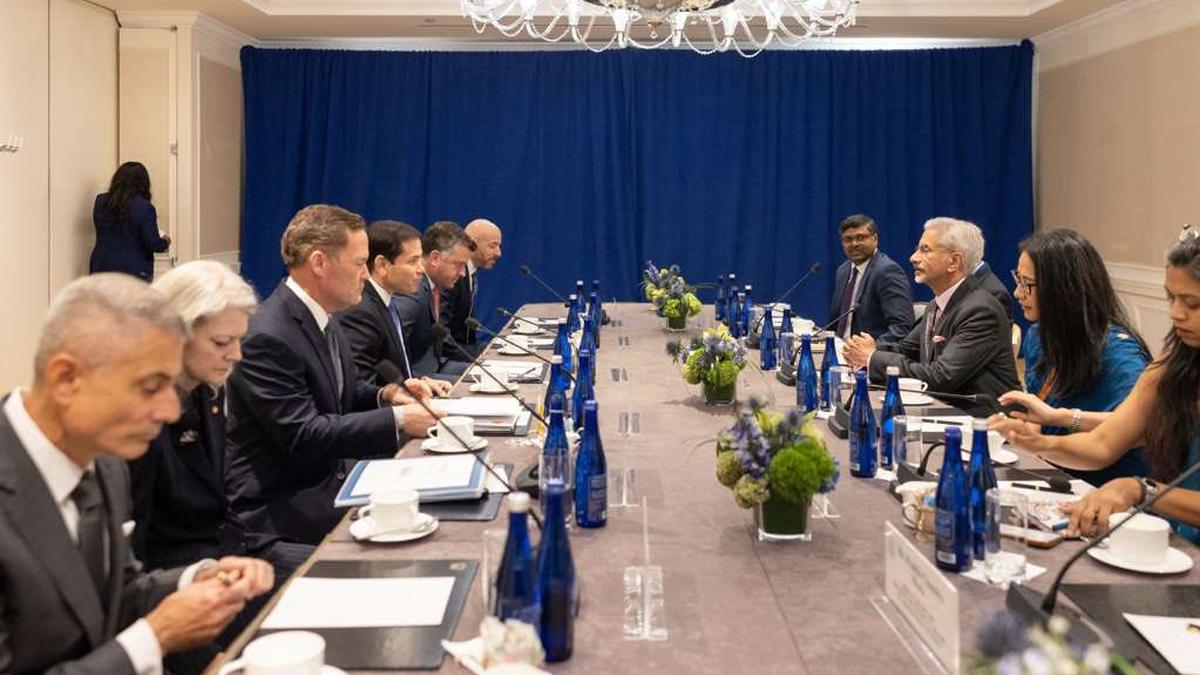
Jaishankar Discusses US Tariff Concerns with Secretary Rubio
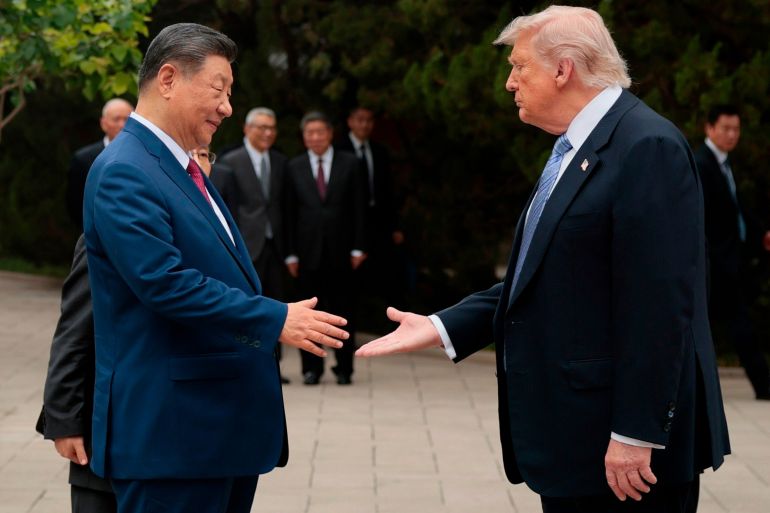
US and China Leaders Discuss AI Rivalry Amid Global Concerns
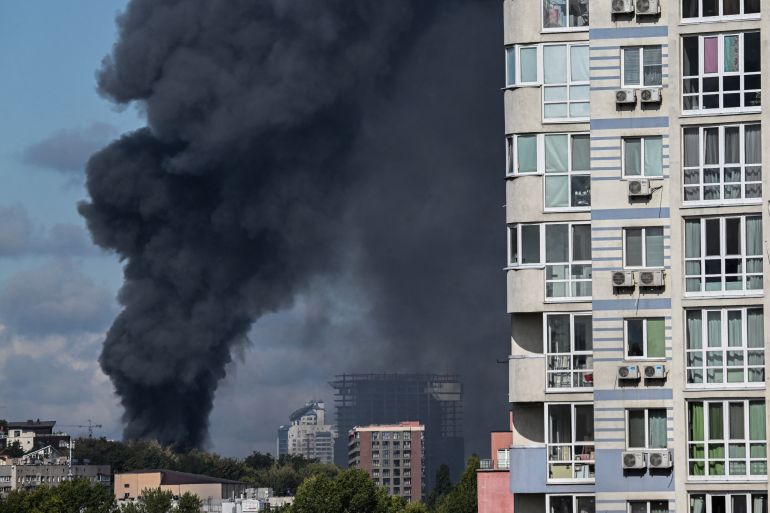
Russian Drone Strikes Kyiv, Donetsk Following Zelenskyy-Trump Talks