Tata and Infosys Face H-1B Visa Fees Following US Policy Change


In a significant policy shift, the United States government has announced that companies employing H-1B visa workers will be subject to a new fee structure, which could impact major Indian IT firms such as Tata Consultancy Services (TCS) and Infosys. This move is part of a broader initiative aimed at reducing the number of foreign workers in the US technology sector and prioritising local employment.
The new regulations, which were revealed by the US Department of Homeland Security, will impose a fee of $100,000 per H-1B visa application. This marks a substantial increase from the previous costs associated with the visa programme, which has long been a pathway for skilled workers from countries like India to secure employment in the US.
Tata Consultancy Services, one of India’s largest IT services companies, and Infosys, another major player in the sector, are expected to bear the brunt of these increased fees. Both companies have extensive operations in the United States and employ thousands of H-1B visa holders. The new financial burden could lead to higher operational costs, which may ultimately be passed on to clients.
Industry experts have expressed concern that such a steep increase in fees could deter companies from hiring foreign talent, thereby affecting the competitiveness of the US tech industry. As noted by a spokesperson from the National Association of Software Companies, "This fee increase could lead to a drastic reduction in the number of skilled workers coming to the US, which would not only impact individual companies but also the overall economy."
The H-1B visa programme has been a contentious issue in recent years, with critics arguing that it undercuts local workers by allowing companies to hire cheaper foreign labour. Proponents, however, assert that the programme is essential for filling skill gaps in the American workforce, particularly in high-demand fields like information technology.
As the new fees come into effect, Tata and Infosys will need to evaluate their strategies in the US market. This may involve reassessing their workforce composition and potentially increasing their hiring of local talent to mitigate the financial impact of the new policy. The situation remains fluid, with both companies likely to monitor the effects closely as they navigate these changes.
The US administration has indicated that the goal of the new fee structure is to encourage companies to invest more in local job creation. However, the immediate implications for Indian firms could lead to a shift in how they operate within one of their largest markets.
As the situation develops, stakeholders in the tech industry will be watching closely to see how these changes affect employment patterns and the overall landscape of the IT sector in the United States.
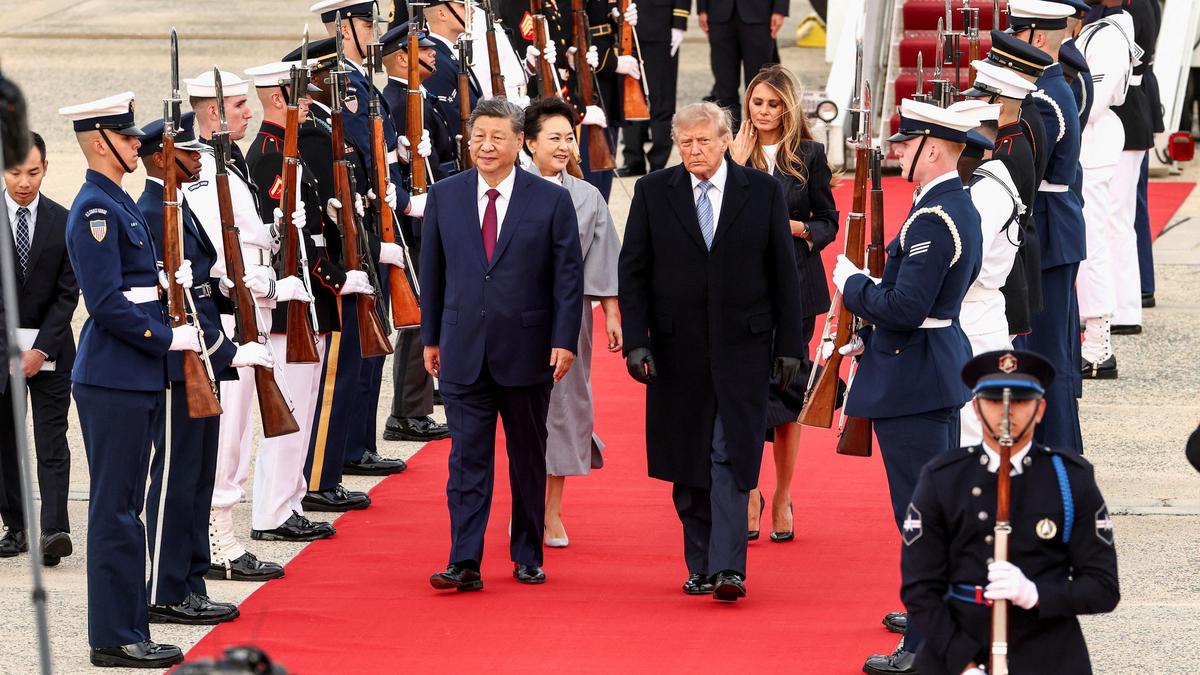
Chinese President Xi Jinping Begins State Visit to Washington

Jaishankar Discusses US Tariff Concerns with Secretary Rubio
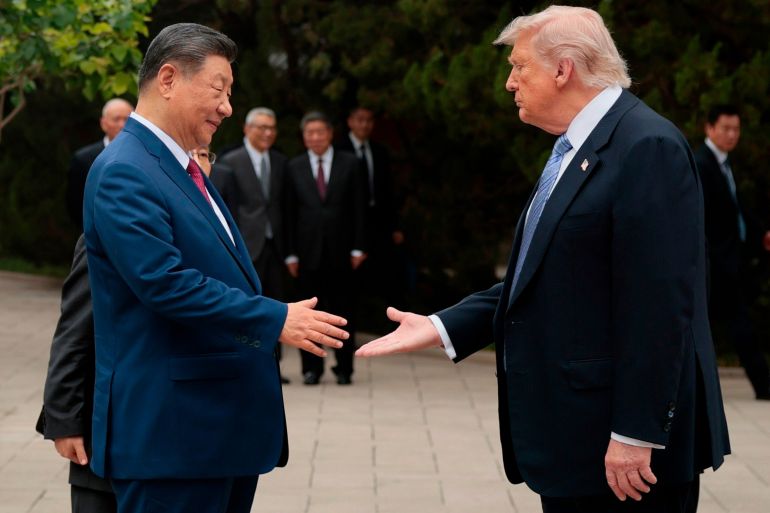
US and China Leaders Discuss AI Rivalry Amid Global Concerns

Russian Drone Strikes Kyiv, Donetsk Following Zelenskyy-Trump Talks