Arvind Kejriwal Discharged in Delhi Excise Policy Case


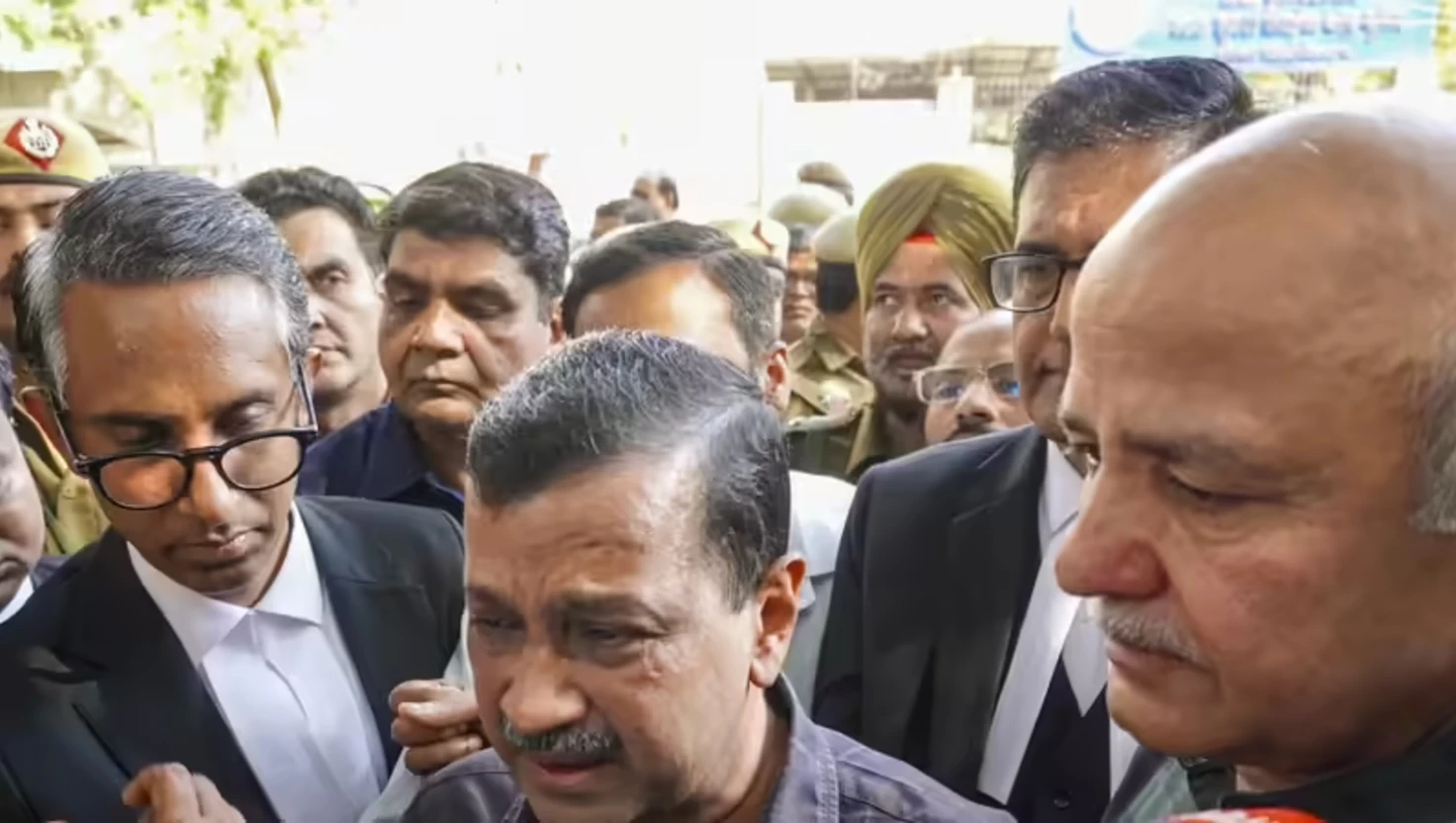
A court in Delhi has discharged Delhi Chief Minister Arvind Kejriwal and 22 others in the high-profile excise policy case, ruling that investigators failed to establish even a basic case of criminal wrongdoing.
The decision, delivered by Special Judge Jitendra Singh at Rouse Avenue Courts, marks a major legal and political development in a case that had dominated opposition politics in India for nearly two years.
Legal Findings and Court Observations
The case centred on allegations that the Delhi government’s now-scrapped excise policy was manipulated to benefit certain private players in return for financial gains. The Central Bureau of Investigation (CBI) had described Mr Kejriwal as a central figure in an alleged conspiracy.
In his order, Judge Jitendra Singh concluded that the prosecution had not presented sufficient evidence to proceed to trial. The court said there was no documentary, electronic or financial material linking Mr Kejriwal directly or indirectly to any manipulation of policy or illegal payments.
The judge noted that simply invoking the concept of “conspiracy” was not enough under criminal law. There must be concrete proof of agreement and participation, he said, adding that such proof was absent in this case.
The prosecution’s attempt to link Mr Kejriwal to the alleged scheme relied significantly on a statement by one witness who suggested that a political intermediary would communicate with him. However, the court found that this statement was not supported by independent corroboration.
The ruling stated that attributing a central conspiratorial role to the chief minister based on an unverified statement was legally unsustainable.
The court also criticised the CBI for repeatedly using the phrase “South Group” to describe certain accused individuals. Judge Singh said the geographically defined label had no basis in law and did not correspond to any recognised legal classification. He observed that no equivalent regional term had been used for other accused persons, calling the selective description arbitrary and unwarranted.
All 23 accused individuals, including former Delhi Deputy Chief Minister Manish Sisodia and political leader K Kavitha, were discharged.
Political Repercussions
Mr Kejriwal, leader of the Aam Aadmi Party (AAP), had been arrested while in office, becoming one of the most prominent opposition figures to face detention in recent years. His arrest had triggered protests by opposition parties, including the Indian National Congress.
At the time, senior Congress leaders, including Rahul Gandhi and Sonia Gandhi, appeared alongside Mr Kejriwal at public rallies, framing the case as an example of alleged misuse of investigative agencies by the federal government led by Prime Minister Narendra Modi.
The latest court order alters the political landscape.
In 2022, a senior Congress leader in Delhi had written to the city’s lieutenant governor seeking a CBI investigation into the excise policy. Later, as AAP and Congress cooperated within the INDIA opposition alliance ahead of the general election, Congress criticised the arrest while maintaining that the allegations should be investigated.
However, the alliance between the two parties later broke down before the Delhi Assembly elections. During that campaign, Rahul Gandhi publicly criticised Mr Kejriwal over the excise case and other issues, including spending on the chief minister’s official residence.
Following the court’s ruling, Mr Kejriwal addressed a press conference in which he strongly criticised the governing Bharatiya Janata Party (BJP). He questioned why opposition leaders from his party had been jailed while leaders from Congress had not, asking: “Does it have no shame?”
He also accused Prime Minister Narendra Modi and Home Minister Amit Shah of attempting to weaken his party through legal cases. The BJP has consistently denied allegations of misusing investigative agencies.
Mr Kejriwal said his party would seek similar relief in related cases filed by the Enforcement Directorate, India’s financial crimes agency.
Electoral Implications
The ruling comes as several Indian states prepare for elections.
In Punjab, where AAP is in power and Congress is the main opposition, voting is expected early next year. In Gujarat, Congress remains the principal opposition party, but AAP has expanded its presence in recent elections. AAP has also gained ground in Goa, a state where Congress has historically been influential.
Political analysts say the court’s decision could allow Mr Kejriwal to reassert himself nationally. Supporters have described the verdict as the start of a “second innings” in his political career.
Within Congress, reactions have been mixed. Some leaders congratulated Mr Kejriwal and described the case as politically motivated. Others have taken a more cautious stance, reflecting broader internal debates about how to position the party in relation to AAP.
Leadership dynamics within the wider opposition alliance may also be affected. Rahul Gandhi is widely seen as the most prominent national opposition figure challenging Prime Minister Modi, but some senior party members have publicly suggested alternative leadership arrangements within the alliance.
Broader Context
The excise policy controversy has been one of the most closely watched legal cases involving opposition leaders in recent years. It unfolded against a backdrop of tensions between the federal government and opposition-ruled states.
The Delhi government had introduced a new liquor sales policy aimed at reforming the city’s retail system. Critics alleged it created undue advantages for certain private entities. The policy was later withdrawn amid mounting controversy and investigations by federal agencies.
The court’s discharge order does not amount to a declaration that the policy was flawless. Rather, it states that the prosecution failed to present evidence sufficient to proceed under criminal law.
For Mr Kejriwal and AAP, the ruling restores legal standing at a critical political moment. For Congress and other opposition parties, it introduces new calculations as they navigate alliances, rivalries and forthcoming elections.
The CBI has not yet publicly indicated whether it will challenge the order in a higher court.
Kerala Initiates Probe into 2006 Suicide Case Involving CEC
Extradition of Sheikh Hasina Feasible, Says Indian High Commissioner

Punjabi Makeup Artist Mad Sandhu Shot Dead in Amritsar
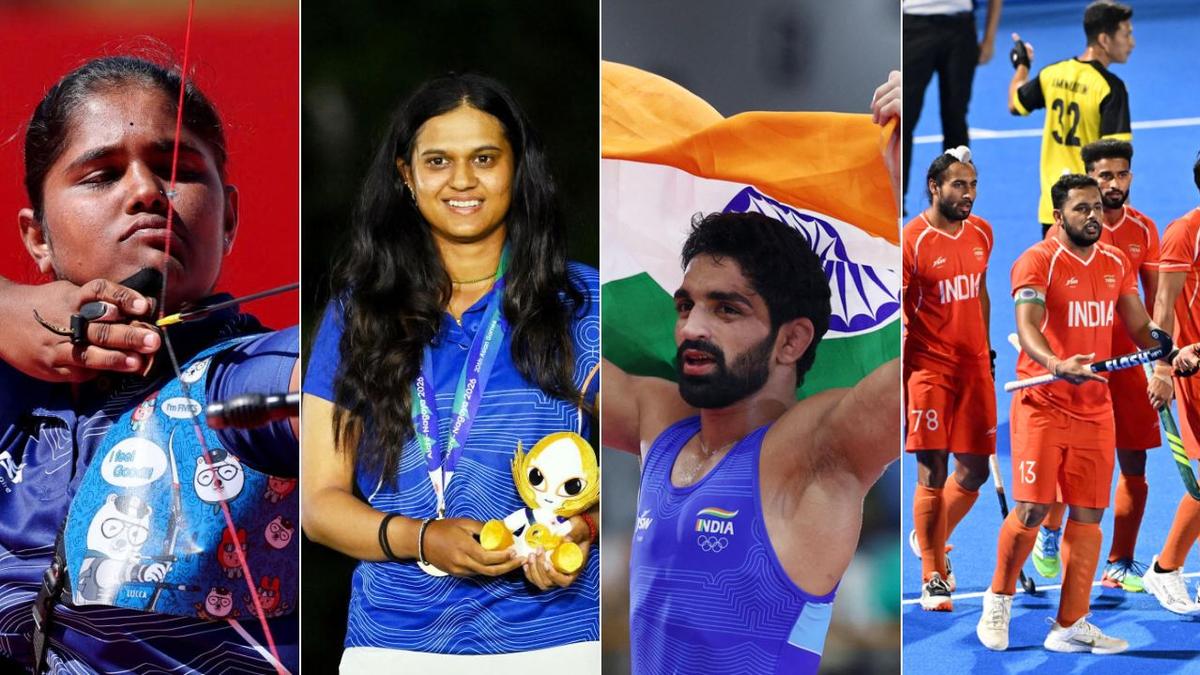
India Achieves Fourth Place at Asian Games 2026 Through Late Success