Pakistan Addresses Defence Pact with Saudi Arabia Amid Houthi Attacks


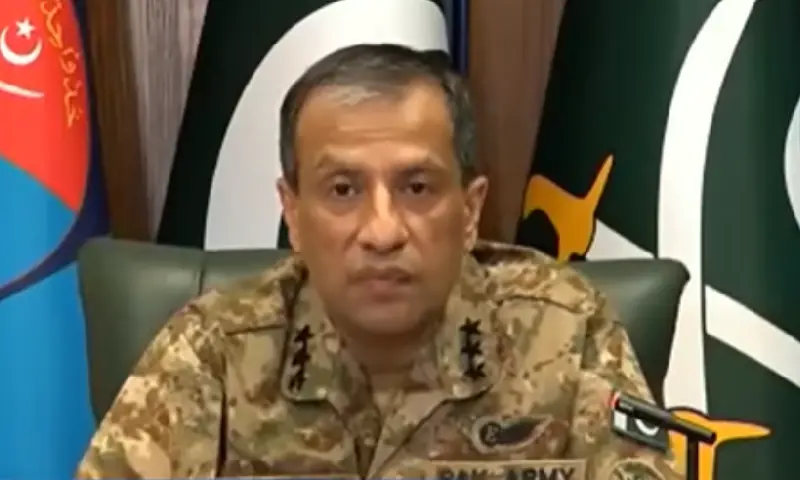
Pakistan has reaffirmed the nature of its defence pact with Saudi Arabia in light of escalating tensions following Houthi missile strikes. Speaking to Al Arabiya English, Lieutenant General Ahmed Sharif Chaudhry, spokesperson for the Pakistan Army, stated that the agreement, which includes Turkey, is characterised as having 'no aggressive element' and is fundamentally oriented towards 'collective deterrence'. This statement comes after accusations from the Saudi-led coalition in Yemen, which claimed that the Iran-backed Houthi rebels had targeted Mecca, Islam's holiest city. The allegations provoked widespread outrage within the Muslim community and further intensified the already volatile situation in the region.
In response to questions regarding how the military pact might affect Pakistan’s relationship with Iran, Chaudhry clarified that the alliance was the result of long-established strategic relationships rather than a sudden development. He emphasised the significance of cultural, emotional, and military ties between Pakistan, Saudi Arabia, and Turkey, stating, 'This military alliance that we have got into is not something that has come out of the blue.' The spokesperson also highlighted that the pact encapsulates a formalisation of these relationships in a challenging geopolitical environment.
Chaudhry elaborated that a careful analysis of the agreement reveals its fundamentally defensive nature. 'It has got no offensive, no interference, no aggressive element about it,' he insisted. The recent surge in Houthi attacks, which have reportedly injured over 70 civilians in Saudi Arabia, has brought the conflict into sharper relief. The coalition cited a drone interception south of Mecca just days ago, reinforcing its commitment to safeguarding the city's security.
Further complicating matters, recent operations have allowed the Houthis to consolidate control over significant parts of Yemen's Red Sea coast. Intelligence sources have indicated that Iranian military support has played a decisive role in empowering the Houthis during these conflicts. In light of the developments, Pakistan has expressed 'complete solidarity' with Saudi Arabia. In a recent communication, Prime Minister Shehbaz Sharif reaffirmed this support to Saudi Crown Prince Mohammed bin Salman, condemning the Houthi attacks as 'dastardly and heinous'. He asserted that the Pakistani populace feels immense sorrow at the actions targeting the holy city, characterising them as an 'outrageous act'.
The broader implications of the conflict extend beyond regional security, threatening global energy supplies during a time of heightened geopolitical strife. Earlier this week, disruptions were reported on Saudi Arabia's East-West oil pipeline, a vital route for the nation's oil exports. The situation continues to evolve, with various stakeholders voicing their concerns over the ever-changing dynamics in the region.
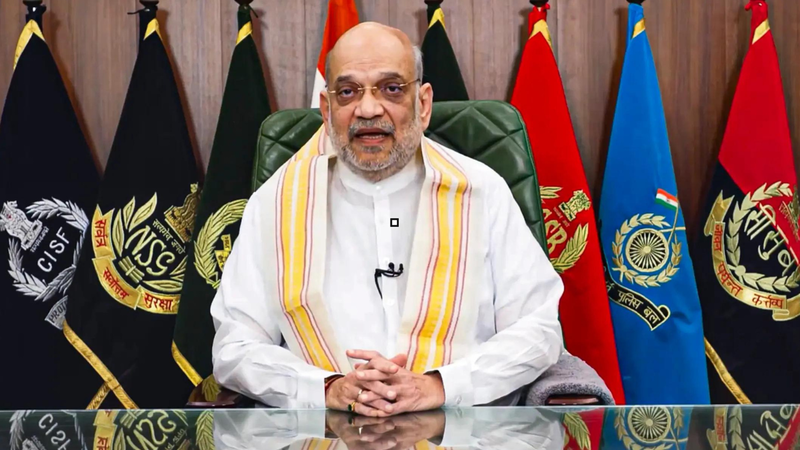
Indian Government Declares Shahzad Bhatti Network a Terrorist Outfit
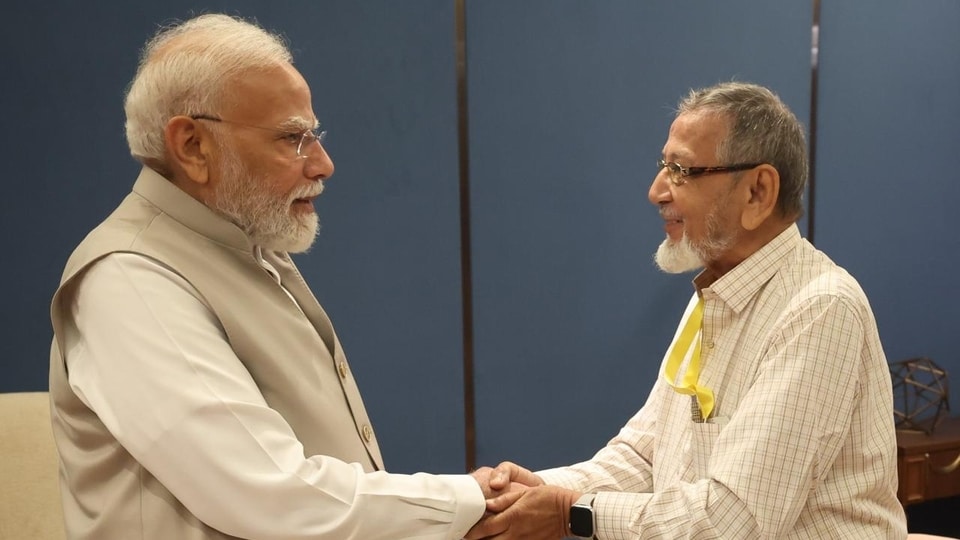
PM Modi Helps Former Schoolmate Recover Land After Long Dispute
Naval Collision in Arabian Sea Heightens India-Pakistan Tensions

Telangana CM Launches Inquiry Into Alleged Land Irregularities