Optimising Air Conditioning: Benefits of Combined Use with Fans


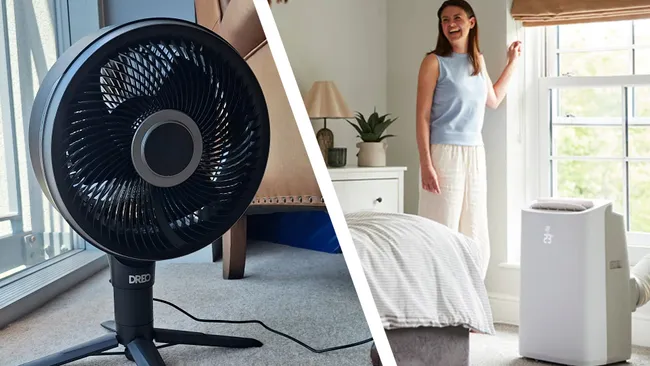
As temperatures soar globally, more households are re-evaluating their cooling methods. A recent article from Mint highlights how adjusting air conditioning settings can lead to significant energy savings. Rather than setting air conditioning units to the lowest temperatures, maintaining them at 24°C combined with ceiling fan usage can offer a comfortable alternative.
Aishwarya, a home technology expert, shares her experience transitioning from lowering her air conditioning to extreme temperatures to a more moderate setting. Initially, she would reduce the temperature to 20°C whenever the room felt warm, only to face high electricity bills. However, she found that improved air circulation could be a solution.
The ceiling fan plays a critical role in this setup. While air conditioning cools air, it doesn’t distribute it uniformly across the room. Often, cool air gathers near the unit, leaving other areas warmer. A ceiling fan at a medium speed can effectively circulate this air, creating an even cooling effect throughout the room. Within days of making her adjustments, Aishwarya noted her room felt cooler without the constant temptation to lower the AC settings further.
Running a fan at full speed doesn’t always yield the desired comfort, as strong drafts can be uncomfortable, particularly during rest or work. A moderate fan speed strikes a balance, allowing for air circulation without overwhelming gusts. Additionally, moving air can enhance the body's natural cooling through sweat evaporation, contributing to a more comfortable environment.
Aishwarya explains that contrary to common belief, reducing the temperature on the AC remote does not significantly accelerate cooling. The compressor operates at nearly the same pace regardless of the chosen temperature. Lower settings prolong the compressor's operation, resulting in higher energy use without enhanced comfort. By combining cooler settings with efficient airflow, the load on the air conditioning unit can be reduced, leading to potential savings on energy bills.
However, the effectiveness of these strategies may vary. Factors such as room insulation and sunlight exposure can influence results. A ceiling fan consumes significantly less energy than an air conditioning unit, making this combination not only practical but also an intelligent way to manage cooling during hot weather.
Among the solutions available, smart ceiling fans like the Atomberg Aris Contour Smart offer features such as remote and app control alongside energy efficiency. This fan type is particularly suitable for use alongside air conditioning units set at moderate temperatures. With its silent operation and effective airflow, it enhances comfort while keeping energy usage low.
In conclusion, Aishwarya advises that achieving comfort within a room is not solely about reducing temperatures but rather about optimising airflow. The simple act of relying on ceiling fans can significantly decrease electricity consumption, facilitating a cooler feeling in living spaces without needing to engage air conditioning systems constantly.
This advice aligns with wider expert recommendations across the cooling technology field. Industry leaders highlight that the combination of air conditioning and fans optimises indoor air comfort during warmer months. Users are encouraged to assess their settings and equipment to maximise efficiency, particularly before heat waves strike.
As consumers navigate cooling solutions, they should consider smart features, energy efficiency, and effective airflow mechanisms when selecting both fans and air conditioning units.

Ceasefire Agreed in Oleshky Amid Ukraine's Humanitarian Crisis

Donald Trump Hints at US Interest in Cuba After Conflict in Iran

UK Court Rules Against India in RAKIA Investment Dispute

India Raises Concerns Over Chinese Border Patrolling Deviations