Opposition Protests Force Minister Resignation During Parliament Session


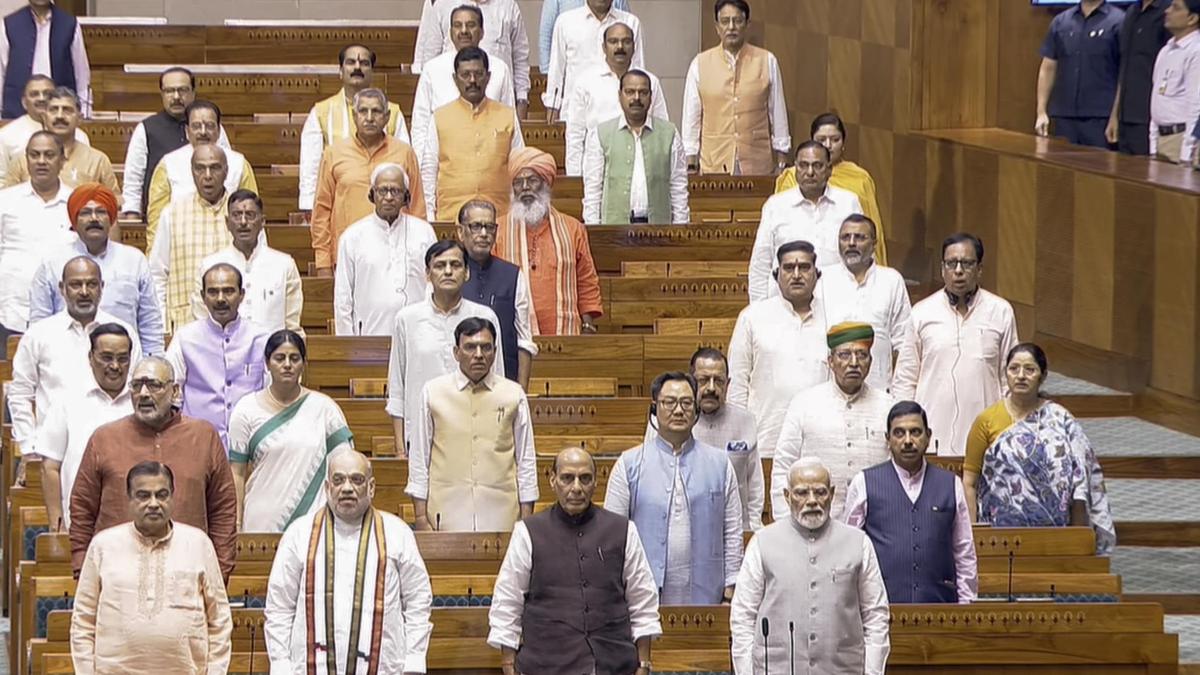
In a tumultuous monsoon session of Parliament that ended on August 13, the Indian government faced significant challenges as youth-led protests and opposition pressure upended its legislative agenda. Prime Minister Narendra Modi and Union Home Minister Amit Shah were notably absent throughout the proceedings, a stark contrast to their usual role in government discussions. The session was initially intended to mark a strong comeback for Modi’s Bharatiya Janata Party (BJP) following victories in West Bengal elections and defections from various opposition parties, but it witnessed a stark decline in government efficacy.
The government aimed to reintroduce the controversial delimitation Bill, which is designed to redraw parliamentary constituency boundaries, after a setback in April when opposition parties united against its women's reservation-linked Lok Sabha expansion plans. However, by the session's conclusion, the Modi administration had not progressed on any contentious bills, largely due to sustained opposition and public dissent.
Youth protests across the country, particularly in Delhi's Jantar Mantar, escalated significantly. The protests intensified after a police crackdown on demonstrators, which involved tear gas and aggressive tactics. These actions became a rallying point for opposition parties seeking accountability from the government regarding its treatment of protesters.
The culmination of these events forced the resignation of Union Education Minister Dharmendra Pradhan, marking the first resignation in Modi's tenure attributed to public pressure. Pradhan's resignation on July 25 followed shortly after the violent police intervention during a peaceful protest. Despite this concession, opposition leaders—including Rahul Gandhi—continued to demand more transparency and answers from both Modi and Shah.
During the session, the opposition seized opportunities to criticise the government's silence, calling for statements from the leaders on the situations unfolding outside Parliament. Rahul Gandhi, speaking at a Congress event, commented on the prime minister’s apparent distress, stating, "These days, Narendra Modi doesn’t sleep at night. There are many reasons for this..." He likened Amit Shah’s absence to that of a fugitive, questioning the government's ability to confront the public mood.
As the session progressed, multiple significant pieces of legislation stalled, including the Foreign Contribution (Regulation) Amendment Bill and the proposed Viksit Bharat Shiksha Adhishthan Bill, aimed at overhauling higher education. Key discussions around protections for officials charged with serious criminal misconduct were also deferred.
While the BJP had anticipated taking advantage of recent political fractures within the opposition, the heightened public backlash transformed the narrative. The protests were not only well-coordinated but inspired broader demonstrations nationwide, highlighting the public's demand for accountability.
As the monsoon session of Parliament concluded with 19 sittings, Shah, who eventually made a statement just before the session's end, attributed his absence to the disruptions caused by the opposition. He expressed readiness for discussions on student issues, contingent upon a formal request made to the parliamentary Speaker.
Despite attempts to smooth over tensions, the Modi government faces a challenging political landscape as it grapples with intensified scrutiny from both the opposition and the public. The implications of these recent events could resonate beyond Parliament as the country moves forward amidst growing public discontent.
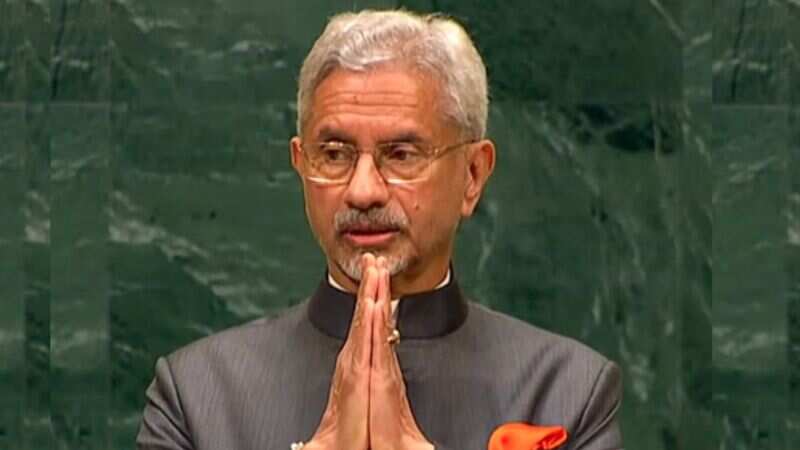
India's Jaishankar Criticises Pakistan at UN General Assembly
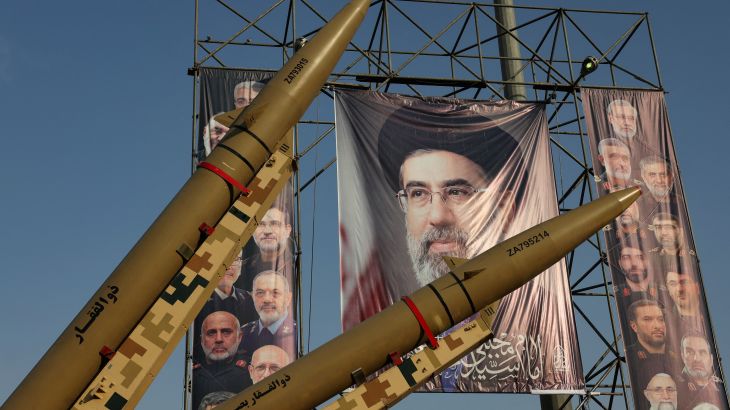
Iran Asserts Readiness for War Amid Rising Tensions in Hormuz
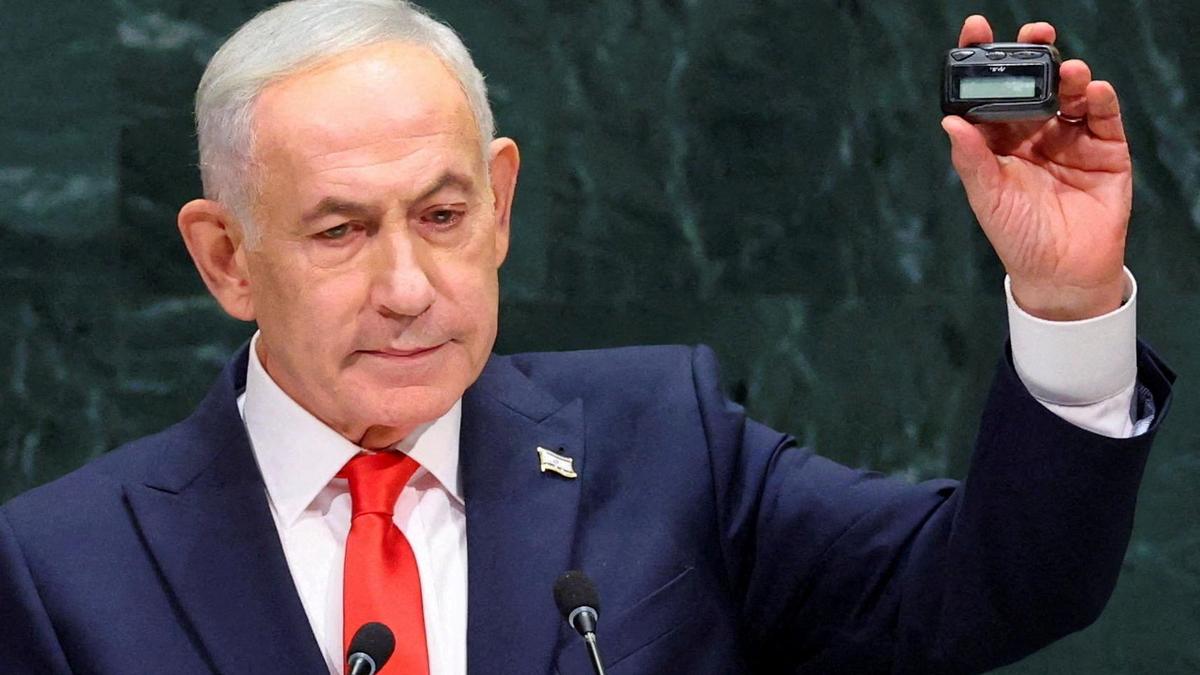
Israeli Prime Minister Netanyahu Makes Unannounced Visit to UAE

World Leaders Gather for Climate Summit, Pledges Made