Oil Prices Surge as Tensions Rise in Strait of Hormuz


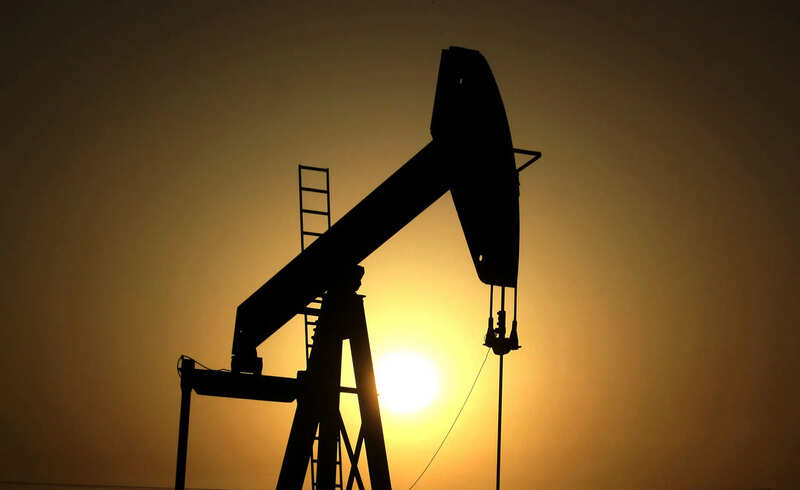
Oil prices experienced a notable rebound this week, recovering from a three-week low. This increase is attributed to rising tensions in the Strait of Hormuz, a critical passage for global oil shipments. As geopolitical concerns mount, market analysts are closely monitoring the situation.
The Strait of Hormuz is a vital waterway through which approximately one-fifth of the world's crude oil passes. Any disruption in this area could have significant implications for global supply chains and economic stability. Recently, incidents involving military activities in the vicinity have heightened fears among traders and investors regarding oil supply disruptions.
According to industry experts, the ongoing uncertainty is causing volatility in oil markets. "The situation in Hormuz is creating an atmosphere of apprehension among traders, and this is reflected in oil price fluctuations," remarked an industry analyst. Many analysts believe that if tensions continue or escalate, oil prices could face further upward pressure.
In recent trading sessions, Brent crude oil, the global benchmark, has seen its price increase as concerns over supply disruptions became more pronounced. With OPEC’s strategies in managing supply also under scrutiny, the balance between production levels and demand remains a key factor influencing future oil prices.
In summary, the recent rise in oil prices serves as a reminder of how geopolitical tensions can impact global markets. Stakeholders are advised to keep a close watch on developments in the Strait of Hormuz, as they may lead to further price volatility in the coming weeks.

Mamata Banerjee Challenges Election Commission in Supreme Court

Telangana High Court Disqualifies MLA Danam Nagender Amid Political Fallout

Scottish Sikh Man Receives Bail in India After Nine-Year Detention

Delhi Police Investigate Gang-Rape and Murder of 16-Year-Old Girl