Oil Prices Rise Following US Strikes in Iran, Ceasefire in Jeopardy


Oil prices have increased significantly as tensions escalate between the United States and Iran, jeopardising a fragile ceasefire that had provided some stability to the global energy sector. On Wednesday, Brent crude, which serves as a benchmark for international oil prices, climbed by more than three percent, reaching $76.48 per barrel. This marks the highest price level since June 23. Market observers note that this surge reverses a recent decline that had seen prices fall back to pre-war levels.
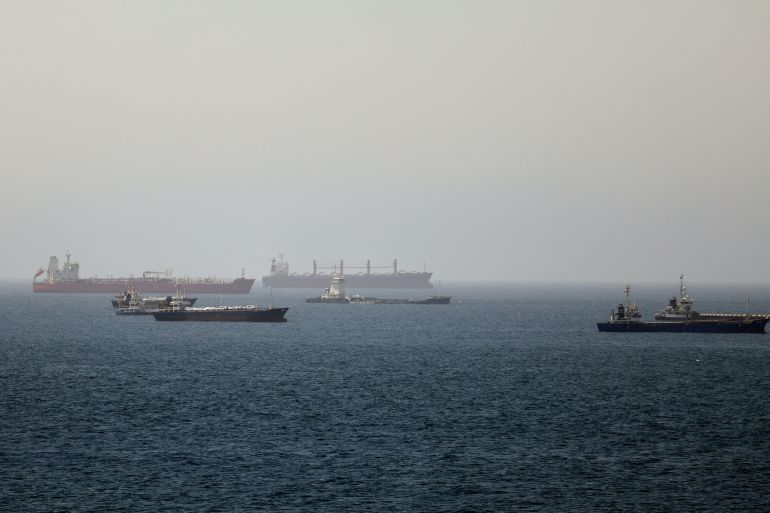
The rise in oil prices is linked to renewed violence in the Strait of Hormuz, a crucial waterway for global shipping. The escalation comes after US military actions, which included targeted strikes on Iranian positions. In addition, the US has revoked a waiver that allowed limited transactions involving Iranian oil, following attacks on three commercial vessels in the strait.
Officials from the US, Qatar, and Saudi Arabia have attributed the attacks on the vessels to Iran. US Central Command announced via social media platform X that it had initiated "a series of powerful strikes against Iran to impose heavy costs for targeting and attacking commercial shipping crewed by innocent civilians in an international waterway."
Iran has not claimed direct responsibility for the vessel attacks but has repeatedly warned that it will safeguard its interests in the strategic strait. Iranian Deputy Foreign Minister Kazem Gharibabadi condemned the US's revocation of the waiver, describing it as a "blatant violation" of a memorandum of understanding signed between Washington and Tehran on June 17.
Market analysts have pointed out the ambiguous nature of the memorandum, particularly regarding the strait's status as an international waterway versus Iranian territorial waters. According to Tony Sycamore, a market analyst at IG Australia, whether or not the recent US strikes will quickly de-escalate the situation remains uncertain. He noted that Iran could respond in a way that applies pressure without instigating a broader conflict, keeping energy markets unsettled.
Saul Kavonic, head of energy research at MST Financial, indicated that oil prices are likely to remain elevated due to the unstable situation in the Strait of Hormuz. He expressed that Iran aims to reinforce its control over the region, a prospect considered unacceptable by both the US and its Gulf allies. Kavonic warned that this could lead to a situation where oil passage through the strait remains below 50 percent of pre-war levels for an extended period, along with occasional flare-ups of hostilities.
The situation in the region is being closely monitored as it continues to evolve, with global energy markets on alert due to the potential impacts on oil supply and pricing.

Kerala Initiates Probe into 2006 Suicide Case Involving CEC

Extradition of Sheikh Hasina Feasible, Says Indian High Commissioner

Punjabi Makeup Artist Mad Sandhu Shot Dead in Amritsar

India Achieves Fourth Place at Asian Games 2026 Through Late Success