NSE Launches Electronic Gold Receipts to Modernise Gold Trading


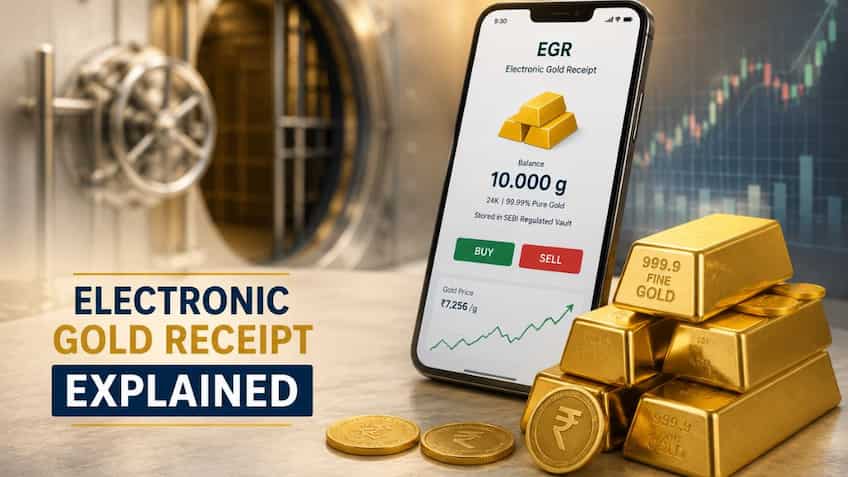
The National Stock Exchange of India (NSE) has announced the initiation of trading in Electronic Gold Receipts (EGRs) starting Monday, May 18. This development is anticipated to transform the way gold is invested in across the country, aiming to promote greater transparency, safety, and ease for investors.
India is one of the highest consumers of gold globally, yet the majority of purchases occur through local jewellery shops and bullion markets, leading to inconsistencies in pricing, purity, and selling practices that vary from region to region. Through EGRs, NSE seeks to introduce a more standardised and regulated gold trading system.
Sriram Krishnan, the Chief Business Development Officer at NSE, commented, "The launch of EGRs marks an important shift in the way investors participate in the gold market."
With an EGR, investors can purchase and hold gold without the need to physically possess it. Buying an EGR represents ownership of a specified amount of genuine gold stored securely in regulated vaults, similar to shares stored in a Demat account. Instead of receiving physical items like jewellery or gold bars, investors will find their gold holdings represented digitally. The gold tied to these receipts will be kept in vaults regulated by the Securities and Exchange Board of India (SEBI), removing the requirement for personal storage solutions.
The format of EGRs is designed to mitigate various issues associated with traditional gold ownership. As the gold is already certified and stored in secure, regulated vaults, investors can avoid common concerns regarding the quality of gold that often arise in informal markets.
One significant feature of EGRs is their accessibility; they can be traded on the stock exchange during market hours like regular shares, allowing for straightforward buying and selling through a conventional trading account. The NSE has noted that investors will not need excessive funds to engage in EGR trading, as these receipts will be available in various denominations including 1 kilogram, 100 grams, 10 grams, 1 gram, and even 100 milligrams. This flexibility enables retail investors to gradually accumulate gold investments without the need for large, upfront purchases.
The exchange also assures that EGRs will meet international purity standards, including gold of 999 and 995 purity, which signify high quality in 24-karat gold. With the backing of a regulated structure and certified gold, investors may experience reduced worries related to quality that can often arise with unregulated physical gold purchases.
The broader objective of introducing this trading platform is to foster a transparent and efficient gold trading environment in India. Currently, gold prices can fluctuate across regions due to varying local market conditions and fragmented pricing mechanisms. NSE believes that EGRs could facilitate more consistent and market-driven pricing over time.
Furthermore, the platform is expected to create synergies between retail investors, jewellers, bullion traders, and refiners, all operating within a unified ecosystem. Analysts suggest that if EGRs achieve widespread acceptance, they could bolster India’s position within the global gold market in the years ahead. The convenience offered to retail investors, characterised by the ability to purchase certified gold in digital format, store it securely in a Demat account, and trade it easily, may prove to be the primary attraction of this new investment option.
BJP Allies Urge Election Commission to Address Public Concerns

Thousands of Ganesh Idols Immersed in Telangana Festivities

Jaishankar Calls Attacks on Civilian Shipping ‘Indefensible’
Indian Prime Minister Urges Integration of Social Reforms in Governance