Dismissal of IAS Officer Padma Jaiswal Over Corruption Allegations


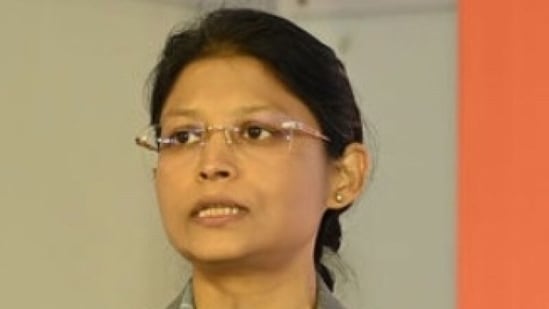
Padma Jaiswal, an officer from the Indian Administrative Service (IAS) of the 2003 batch, has been dismissed by the Indian government over serious corruption allegations that originated during her time as Deputy Commissioner in Arunachal Pradesh in 2007-08. The dismissal was confirmed following a recommendation from the Department of Personnel and Training (DoPT), with final approval from the President of India.
The allegations against Jaiswal include the misuse of her official position and misappropriation of funds. Local residents raised complaints in early 2008, leading to her suspension in April of the same year. Her suspension was lifted in October 2010, but the matter continued to be a point of contention throughout her career.
Jaiswal, who was serving as the special secretary for the Administrative Reforms Department in the Delhi government at the time of her dismissal, expressed her surprise regarding the verdict, stating that she was unaware of any official dismissal order. As per reports, her removal is considered a rare instance of significant action taken against a serving administrative officer in India.
The dismissal was part of a disciplinary process initiated under Rule 8 of the All India Services (Discipline & Appeal) Rules, which governs the imposition of major penalties on IAS officers. Jaiswal had previously been issued charge memoranda in 2009 and 2010, which initiated formal procedures against her.
The Central Vigilance Commission and the Union Public Service Commission (UPSC) were consulted regarding her case, leading to the UPSC recommending her removal from service based on the findings. However, the Central Administrative Tribunal (CAT) had earlier set aside the disciplinary proceedings initiated against her, arguing that the home ministry lacked jurisdiction over officers from the Arunachal Pradesh-Goa-Mizoram and Union Territories (AGMUT) cadre to which Jaiswal belongs.
The central government challenged this ruling, and the Delhi High Court eventually sided with the Indian government on April 1 of this year.
Jaiswal's situation is indicative of the broader challenges facing India's civil service, particularly concerning accountability and governance. The IAS, considered among the most prestigious positions within the Indian administrative framework, is often scrutinised for issues pertaining to corruption and misconduct, reflecting ongoing concerns regarding integrity within the bureaucracy.
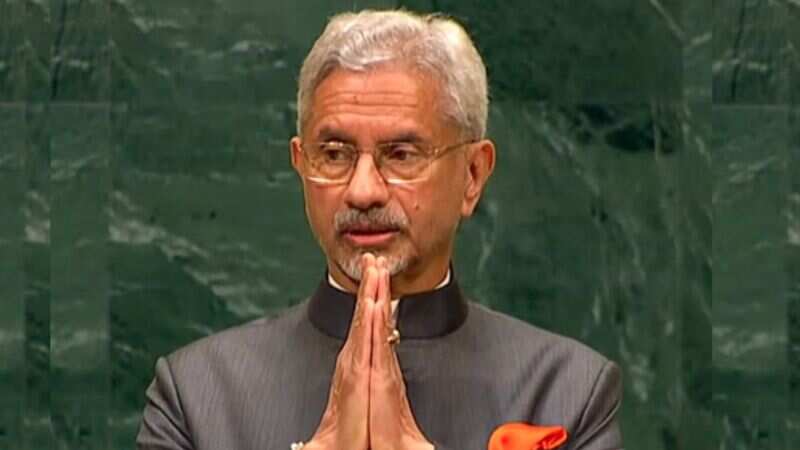
India's Jaishankar Criticises Pakistan at UN General Assembly
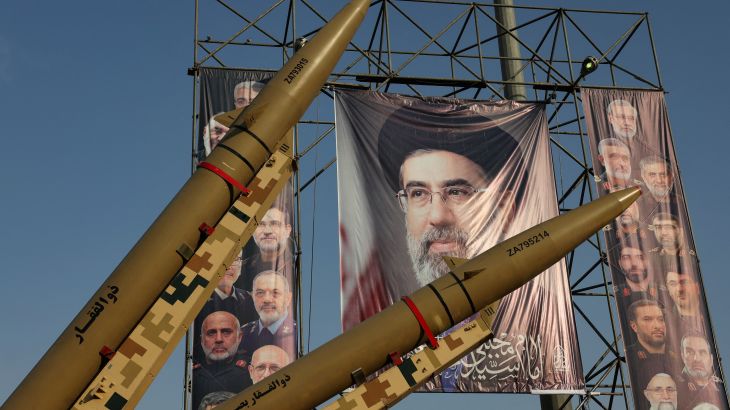
Iran Asserts Readiness for War Amid Rising Tensions in Hormuz
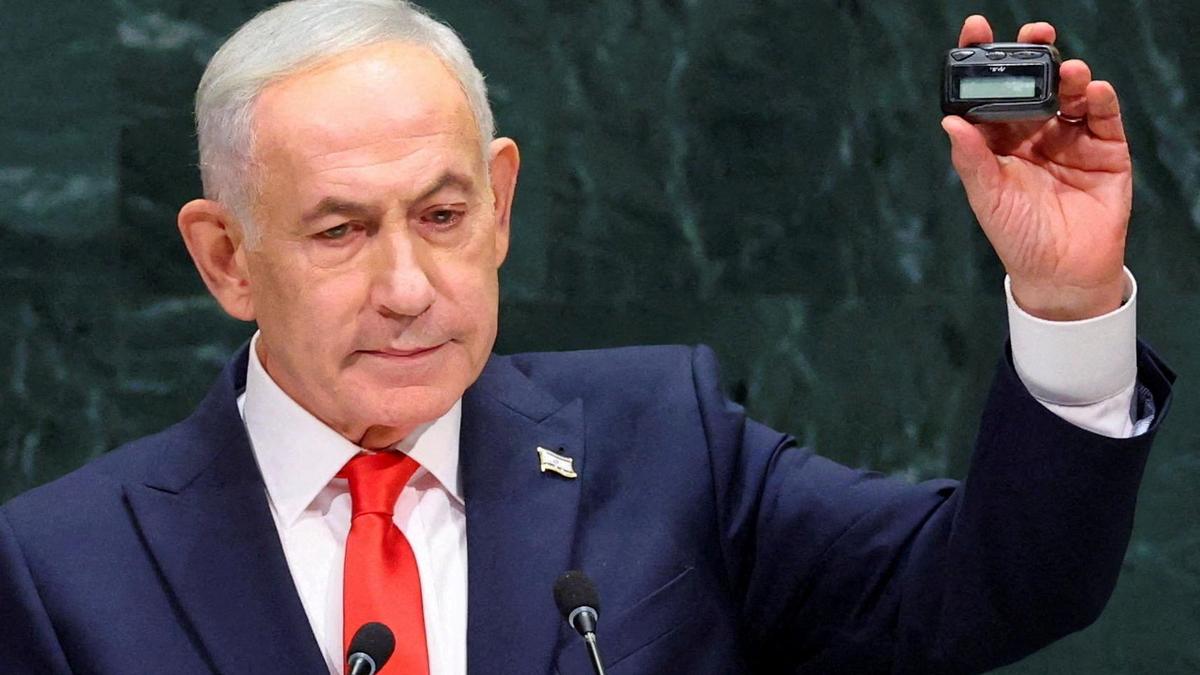
Israeli Prime Minister Netanyahu Makes Unannounced Visit to UAE

World Leaders Gather for Climate Summit, Pledges Made