Tamil Nadu Chief Minister Vijay Addresses White Towel Culture


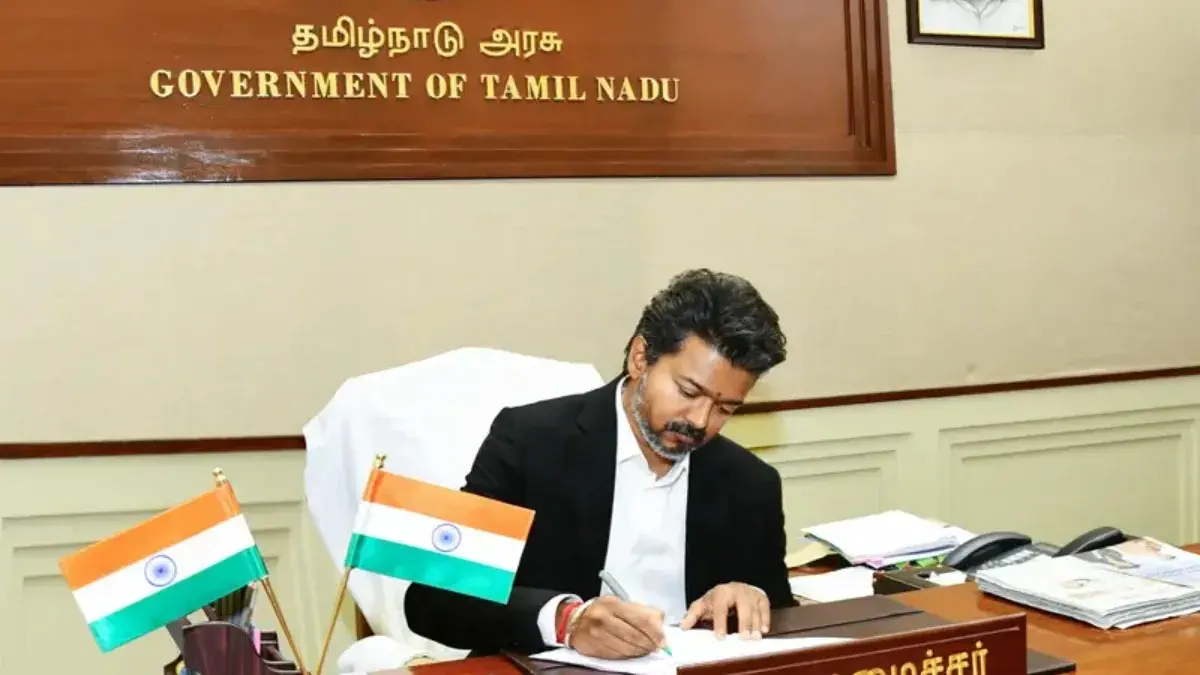
In a recent social media exchange, Tamil Nadu Chief Minister C. Joseph Vijay found himself at the centre of a debate regarding the traditional practice of placing white towels on government chairs. This dialogue was ignited by 14-year-old climate activist Licypriya Kangujam, who reached out to Vijay on social media, urging him to eliminate the longstanding 'VIP towel culture' prevalent in Indian bureaucracy. In her post, she stated, 'Can we end this towel culture on VIP chairs in India? People already know that CMs are VIPs in India.'
Licypriya described Vijay as an inspiration, encouraging him to lead this change. Not long after, observers noted a notable detail in photographs from a meeting involving Vijay, where he was seen seated on an official chair sans the customary white towel. Licypriya shared this image, expressing thanks and remarking, 'Your action proves that you are listening to the voices of common people. Change is coming, whether we like it or not.'
The dialogue surrounding the towel is part of a broader critique of traditional practices in Indian governance, where the white towel has come to symbolise power and status. Its presence on government chairs has persisted through various political changes and advancements in technology. The origins of this practice remain unclear, but many speculate it dates back to the British colonial period when officers used towels for hygiene and comfort in a hot climate. Over time, the towel evolved into a symbol of hierarchy, setting apart senior officials from lower-ranking personnel.
Critics argue that this symbolism is outdated, while others feel such discussions detract from more pressing issues facing the nation. Social media users have responded with mixed sentiments, with some labelling the conversation about the towels as trivial. One user expressed, 'How is that even relevant? Talk about more substantive issues than towels on chairs.' Yet, many see the potential for progressive change in such gestures, reflecting a shift in public expectations of governance.
As the debate unfolds, it underscores a critical examination of Indian bureaucratic traditions. In government offices, the enduring image of a chair draped in a white towel encapsulates not just the history of bureaucratic norms but also the changing expectations of a new generation pushing for a more inclusive and modern governance style. Whether this instance marks the beginning of a significant shift in government practices remains to be seen, but it certainly highlights the growing engagement of citizens with governance.
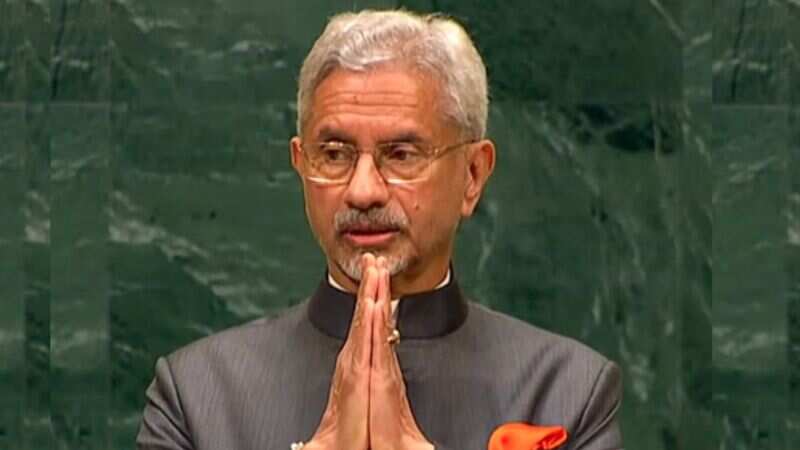
India's Jaishankar Criticises Pakistan at UN General Assembly
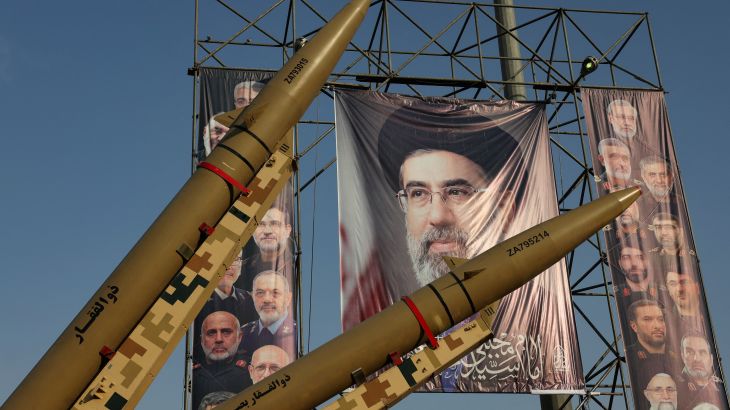
Iran Asserts Readiness for War Amid Rising Tensions in Hormuz
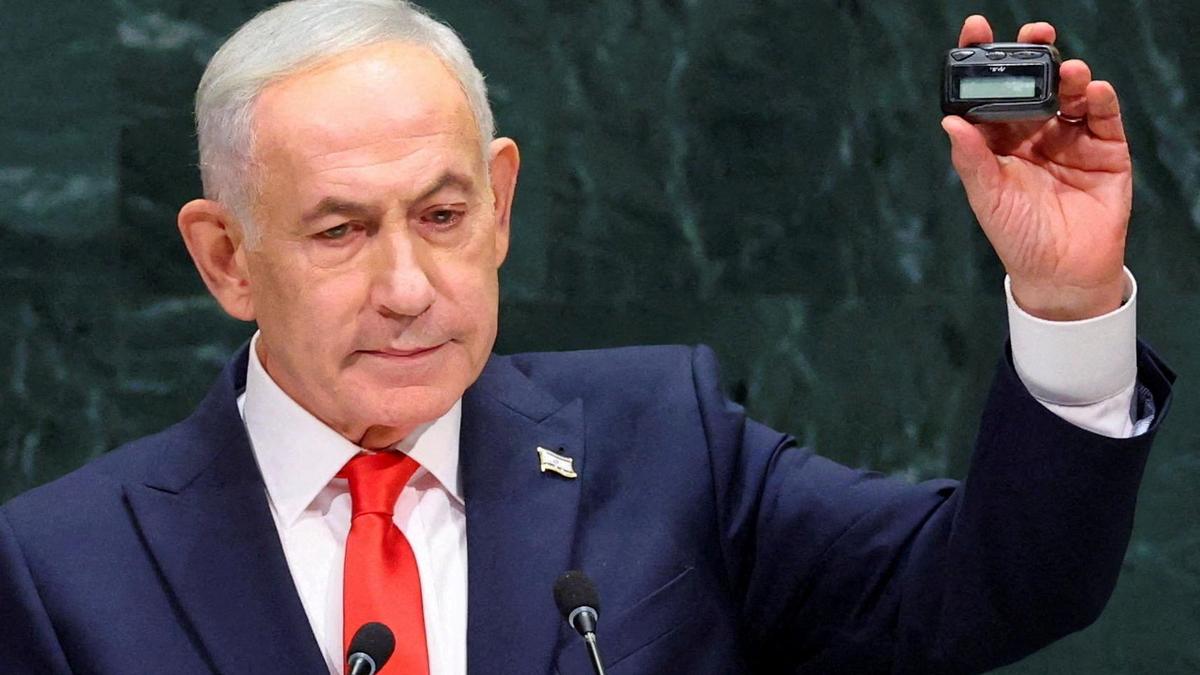
Israeli Prime Minister Netanyahu Makes Unannounced Visit to UAE

World Leaders Gather for Climate Summit, Pledges Made