Non-Smokers and Lung Cancer: Insights from Dr Manish Kumar Aggarwal


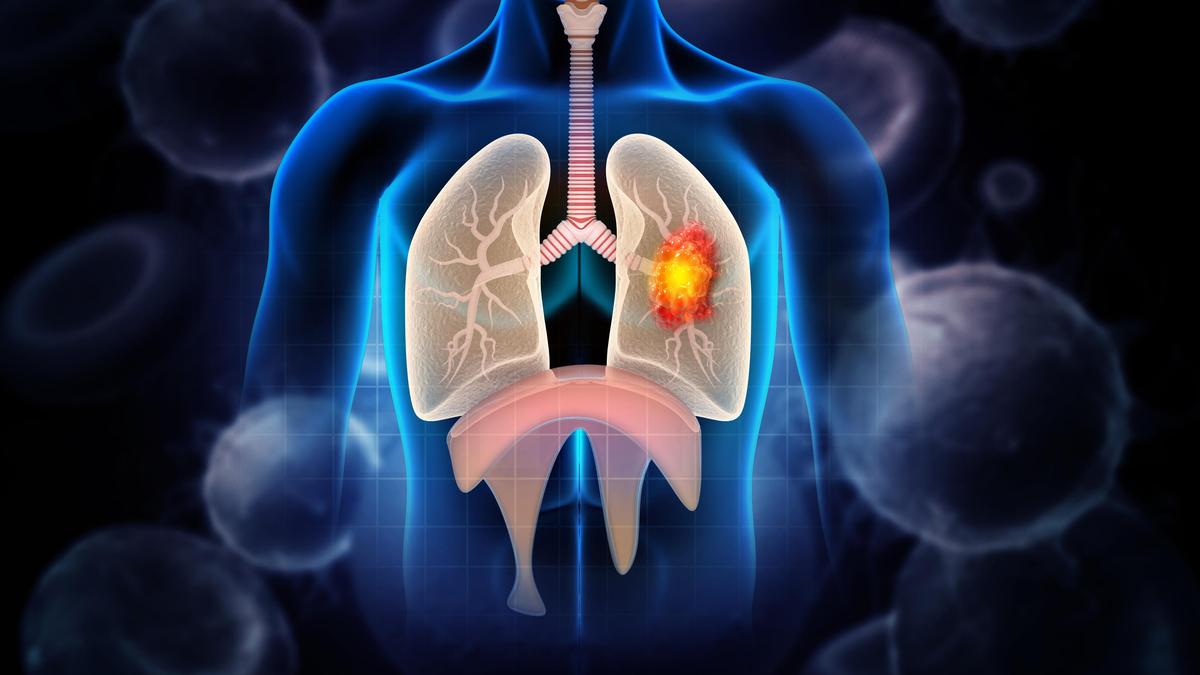
World Lung Cancer Day, observed on August 1, aims to increase awareness globally about the signs, early detection, and treatment of lung cancer. A variety of factors can heighten the risk of developing lung cancer. While genetic predispositions and family history are immutable, certain lifestyle choices can significantly influence risk levels. It is crucial to adopt health-conscious habits and preventive measures to lower this risk.
Dr Manish Kumar Aggarwal, the Principal Director of Chest Diseases and Interventional Pulmonology at Max Hospital in Shalimar Bagh, has underscored the importance of daily lifestyle choices in promoting lung health. He has identified five preventative habits that can benefit both smokers and non-smokers alike.
Despite common assumptions linking lung cancer solely to smoking, the reality is more complex. Many people mistakenly believe that non-smokers are immune to the disease. Dr Aggarwal shared a case from his clinic which illustrates this misconception. He recounted the story of Meera, a 47-year-old schoolteacher who had never smoked. She sought medical attention for a persistent cough, thinking it was merely a consequence of living in a polluted environment. After three months of ignoring her symptoms, a CT scan revealed early-stage lung cancer. Fortunately, Meera was treated in time and made a full recovery. She later remarked, 'I almost ignored the one symptom that saved my life.'
Dr Aggarwal noted that while smoking remains the predominant cause of lung cancer, non-smokers face risks from a variety of sources, including air pollution, second-hand smoke, indoor toxins, and hereditary factors. Hence, refraining from smoking does not assure total protection against lung cancer. Individuals can adopt specific healthy practices to mitigate their risk.
The five lifestyle changes Dr Aggarwal recommends include: 1. Regular aerobic exercise: Physical activity can enhance lung capacity and overall health. 2. Balanced diet: Nutrient-dense foods help strengthen the immune system. 3. Avoiding exposure to indoor toxins: Ensuring good ventilation and minimising the use of detrimental products is vital. 4. Regular health screenings: Early detection through check-ups can lead to more successful treatment outcomes. 5. Being aware of unexplained symptoms: Promptly addressing health concerns can make a significant difference.
Dr Aggarwal concluded with a poignant reminder, saying that he often hears patients express regret over their delayed visits: 'As a pulmonologist, the hardest thing I hear is: ‘I wish I had come earlier.’’ This underscores the importance of not overlooking unusual health signs, as diagnosis often occurs at advanced stages if symptoms are ignored.
It is essential to note that this article is meant for informational purposes only and should not replace professional medical advice. Readers are always encouraged to consult a healthcare provider with any concerns regarding their health.

Bilateral Meetings and Side Conversations Mark Global Summit

UAE and Iran Leaders Discuss Relations at BRICS Summit

BRICS Summit Highlights Concerns Over Critical Minerals and Technology

UN Secretary-General Discusses Security Council Challenges