Nighttime Heat Exposure Linked to Anxiety and Health Markers


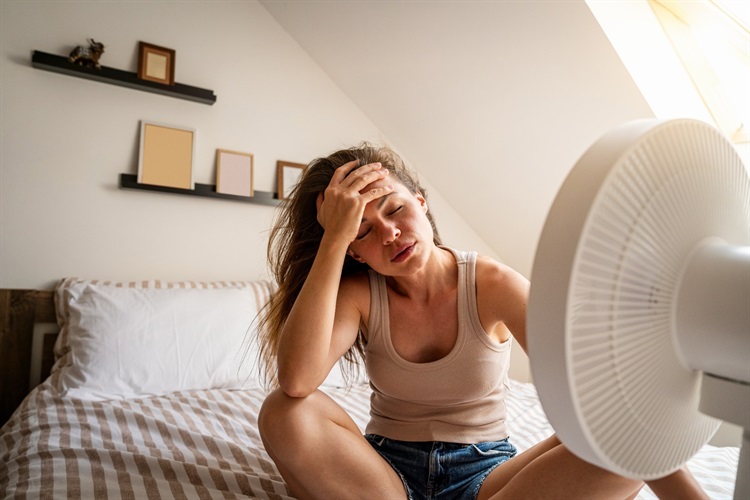
A new study published in the journal Environment and Health has highlighted the psychological and biological effects of heat exposure during nighttime. Researchers found that rising nighttime temperatures, exacerbated by climate change, have been linked to increased anxiety, disrupted sleep, and alterations in important biological stress markers among young adults.
The study involved a randomised controlled trial with 41 college students aged between 18 and 25 years. Participants experienced two different heat exposure conditions: daytime heat at 32°C for eight hours and nighttime heat at 30°C, alongside a thermoneutral control condition at 26°C. Researchers assessed the participants' state anxiety and biological indicators related to stress and inflammation before and after both exposure conditions.
The findings showed that both daytime and nighttime heat exposure resulted in significant increases in state anxiety levels, measuring 24.71% and 27.80% respectively. Notably, nighttime heat exposure was associated with a broader spectrum of biological changes, including elevations in inflammatory biomarkers such as interleukin-1β and oxidative stress indicators like malondialdehyde (MDA). Furthermore, cortisol levels were found to be elevated while levels of brain-derived neurotrophic factor (BDNF) were decreased in participants exposed to nighttime heat.
The adverse effects on sleep were stark, with participants reporting poorer sleep quality and shorter duration following nighttime heat exposure. Researchers identified that oxidative stress markers and cortisol levels significantly mediated the relationship between nighttime heat exposure and anxiety, accounting for 14.42% and 6.88% of this association, respectively.
The study suggests that the increase in anxiety and biological stress markers due to nighttime heat exposure could be attributed to disruptions in recovery processes that typically occur during sleep. This raises concerns as these disruptions can imbalance normal circadian rhythms, potentially influencing mental and physical health negatively.
Cortisol, a hormone closely linked to stress response, usually maintains lower levels during the night. However, increased cortisol levels during nighttime heat exposure signify a possible disruption of neuroendocrine balance, which is critical for managing stress. The researchers emphasise that the implications of these findings are significant, urging the need for future studies to investigate the longer-term impacts of recurrent heat exposure during nighttime.
Given that climate change is predicted to exacerbate nighttime temperatures, it is crucial for health management and climate adaptation strategies to acknowledge the potential mental and physical health outcomes associated with increased nocturnal heat. While this research sheds light on the immediate effects of heat on anxiety and biological responses among healthy young adults, further research is essential to explore the long-term impacts of heat exposure on diverse populations.
The trial's limitations include its focus on a narrow demographic of healthy college students, restricting the broader applicability of the findings. Future studies should investigate the ramifications of chronic heat exposure and its implications for overall health and wellbeing.

Proposed $70,000 Fee For International Students' Work Permit

Netanyahu and Modi's Political Tactics Amid Security Failures

Swiss President Guy Parmelin Receives Indian Cheese from Modi

Rahul Gandhi Demands Resignation of Chief Election Commissioner