Proposed $70,000 Fee For International Students' Work Permit


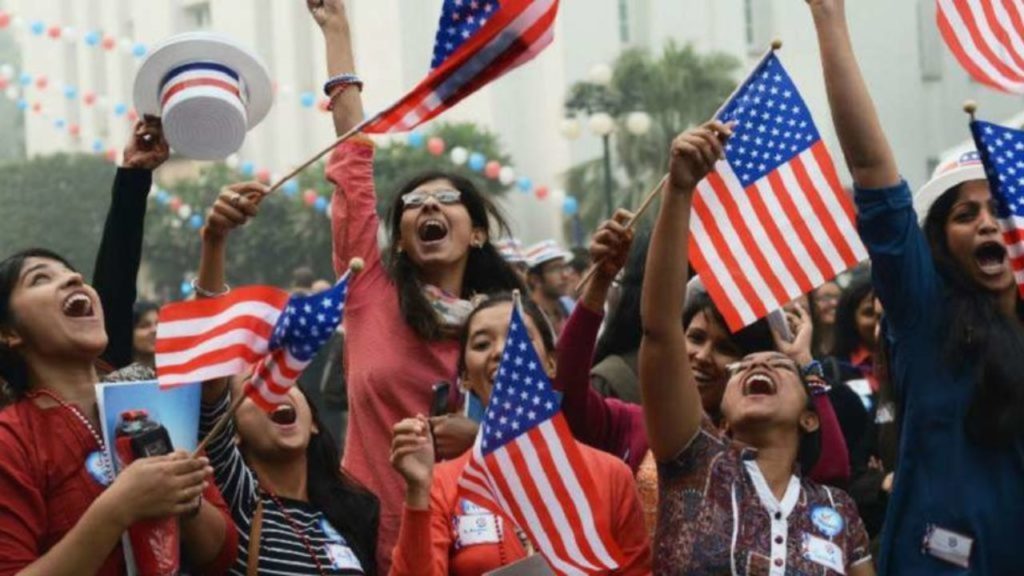
The United States government has introduced a proposal that could significantly affect international students, particularly those from India. The Department of Homeland Security (DHS) announced a new fee structure for the Optional Practical Training (OPT) programme, which allows students to work in the U.S. after completing their studies. Under the proposed rules, educational institutions will be required to pay a fee of $70,000 for each first-time application to the OPT programme. For each additional renewal of this permit, a fee of $30,000 will be charged.
This announcement comes at a time when the U.S. is experiencing increased scrutiny over the employment of international students. An estimated 363,000 Indian students enrolled in various programmes for the 2024-25 academic year, indicating India’s status as the largest source of international students in the United States. However, opposition towards international students has been gaining traction, with allegations that they contribute to job scarcity for American citizens.
The OPT programme allows students to gain practical experience in their field of study for one year, with the possibility of extending this period to three years for those pursuing courses in science, technology, engineering, and mathematics. According to a study conducted by Common App, international students have made significant contributions to the U.S. economy, generating approximately $41.77 billion in revenue for local economies during the fall of the 2025-26 academic year. This figure is expected to decrease to around $38.37 billion in the following academic year.
Data from NAFSA and research firm JB International indicate a decline in the number of international students in U.S. institutions, with enrollment dropping from around 1.17 million in the 2025-26 academic year to approximately 1.06 million in the current academic year.
The proposed fees have been described by DHS as a necessary measure to combat perceived fraud and misuse of the OPT programme. The department characterises this initiative as a means to ensure that foreign students prove their value to American employers, stating that the OPT programme should not serve as a gateway for lower-cost labour.
A DHS representative was quoted saying, "Optional Practical Training was never meant to be a back door into the American workforce, a subsidy for cheap labour, or a prize for those who game the system." They emphasised the need to adjust the programme to better reflect the interests of American workers.
In light of these developments, the public has a 60-day period to comment on the proposal, which could potentially face legal challenges from higher education institutions and business associations. If implemented, these fee changes are likely to affect many prospective international students considering studies in the United States.

Rahul Gandhi Demands Resignation of Chief Election Commissioner

Modi Encourages Gen Z to Achieve 'Viksit Bharat' by 2047
Veteran Bollywood Actor Nana Patekar Passes Away at 75

IndiGo Flight Struck by Lightning During Patna to Lucknow Journey