New Visa Regulations Impacting Foreign Students in the US


The United States government has announced plans to impose stricter regulations on student visas, impacting foreign nationals who wish to study in the country. The new policies, set to take effect in September, will limit the duration of stay for foreign students to four years, except with explicit approval from the federal government.
Previously, students holding F-1 and J-1 visas could remain in the country under a classification known as 'duration of status', allowing them to study as long as needed to complete their programmes. This change means that students will need to adhere to a fixed timeframe unless they receive special permission to extend their stay.
Under the forthcoming rules, students will also face restrictions on switching academic programmes and transferring between institutions. Historically, the discretion to grant visa extensions rested with higher education institutions, but this responsibility will now shift toward federal oversight.
The Department of Homeland Security has characterised these measures as necessary for combatting visa abuse and enhancing national security. Homeland Security Secretary Markwayne Mullin stated that the previous system had allowed some individuals to misuse the immigration system by remaining in the US indefinitely while enrolled in courses.
The implications of these new regulations could be significant, particularly for graduate students, who often take longer to complete their studies, especially in fields such as science and technology. Factors like extended research periods or personal circumstances may further prolong their time in academia.
Additionally, the grace period for foreign students to remain in the US after graduation will be reduced from 60 days to just 30 days, necessitating quicker transitions to other visa categories or return to their home countries.
The NAFSA: Association of International Educators, an organisation that provides guidance on foreign student enrollments, has voiced strong disapproval of the new rules. Its Chief Executive, Fanta Aw, has described the measures as adding unnecessary bureaucracy and uncertainty to a system that has functioned effectively for many years.
This revision aligns with a broader strategy from the current administration aimed at reducing the influx of foreign students and tightening immigration protocols. The administration has previously sought to limit foreign enrolments at prestigious universities and has taken steps against students who have expressed opposition to US foreign policy, resulting in visa revocations.
As the implementation date approaches, both educational institutions and international students are preparing for the changes, which may lead to a significant overhaul in how foreign students navigate their educational experience in the United States.
Kerala Initiates Probe into 2006 Suicide Case Involving CEC

Extradition of Sheikh Hasina Feasible, Says Indian High Commissioner
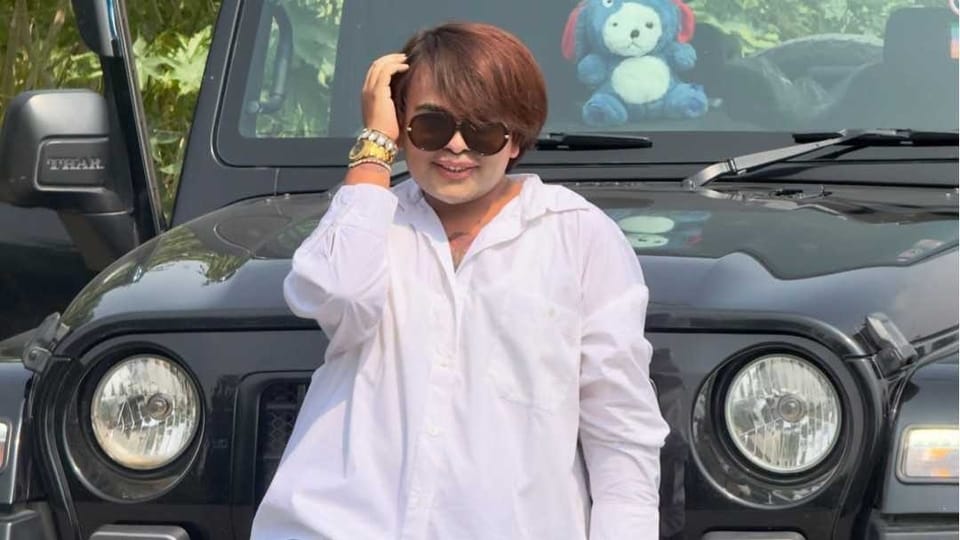
Punjabi Makeup Artist Mad Sandhu Shot Dead in Amritsar

India Achieves Fourth Place at Asian Games 2026 Through Late Success