Delhi High Court Bar Association Suspends Strike After High-Level Talks


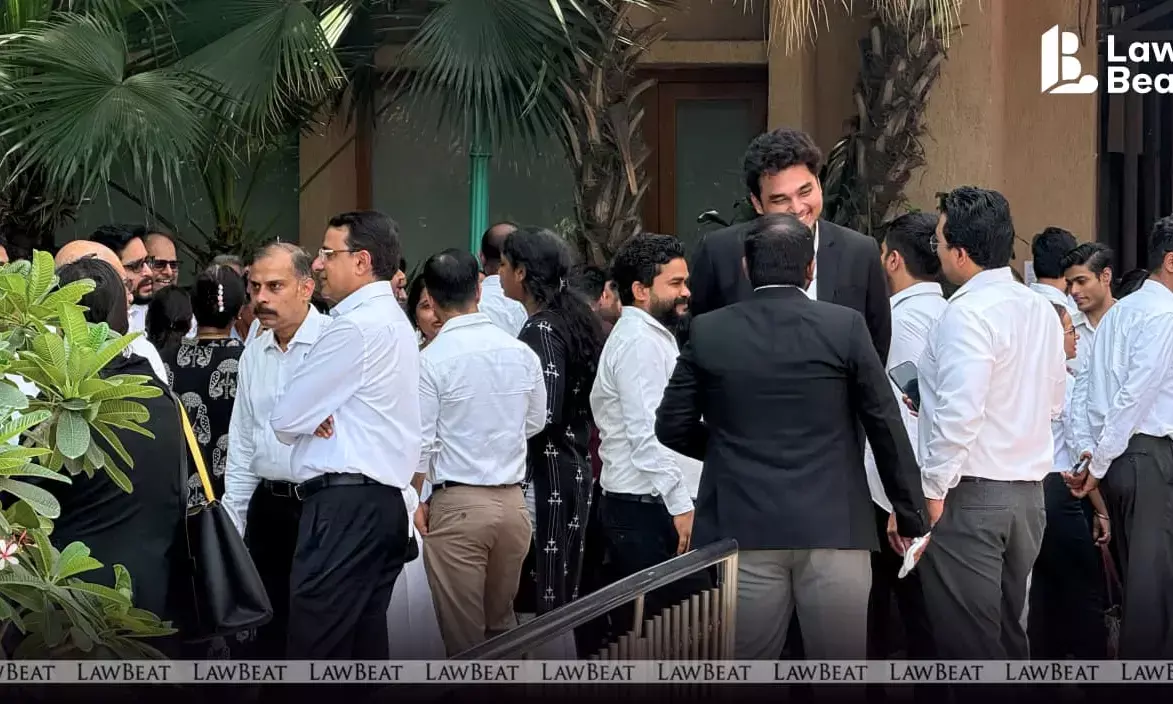
The Delhi High Court Bar Association (DHCBA) has temporarily called off its strike following productive discussions with Union Law Minister Arjun Ram Meghwal and assurances from Chief Justice Devendra Kumar Upadhyaya. While the immediate strike has ended, the DHCBA remains committed to opposing the proposed increase in the pecuniary jurisdiction of Delhi's district courts from ₹2 crore to ₹10 crore.
The strike, which lasted for three days leading up to July 16, was aimed at protesting against this proposed change, which the DHCBA argues would significantly diminish the original civil jurisdiction of the High Court, impacting lawyers' livelihoods and complicating the management of complex commercial cases. The organisation received support during its protest from various professional groups, including the Asian Patent Attorneys Association (Indian Group) and the Intellectual Property Attorneys Association.
DHCBA President and Senior Advocate N. Hariharan stated that their aim was not to confront but rather to ensure their grievances were acknowledged by the High Court before any decision was made regarding the jurisdiction increase. The strike's withdrawal was a critical step towards resuming normalcy in court activities, although the DHCBA has made it clear that this should not be seen as a relinquishment of their ongoing concerns about the pecuniary jurisdiction issue.
Currently, pecuniary jurisdiction refers to the monetary threshold where civil disputes can be filed in a court. At present, cases exceeding ₹2 crore are brought before the Delhi High Court. If the proposed changes are adopted, disputes valued below ₹10 crore would be redirected to district courts.
This matter specifically relates to a recommendation from the Full Court of the Delhi High Court, which seeks to raise the threshold significantly. Senior legal professionals have voiced their concerns regarding this proposal. They argue that such an increase would render the High Court less accessible to many potential litigants and hinder its role in developing intellectual property laws.
Prominent lawyers, including Chander Lall and Pravin Anand, have expressed that the change could disenfranchise a large segment of litigants who rely on the High Court as an essential forum for their cases. Lall emphasized that many of the existing mechanisms and expertise required to handle such cases would not be immediately available in district courts, citing the current lack of essential infrastructure necessary for the management of complex intellectual property matters.
Lawyers have suggested that a more staggered approach to raising the pecuniary limit should be considered, with suggestions made to start with a limit of ₹5 crore. The implications of the proposed changes are extensive, particularly for sectors involving complex litigation such as intellectual property.
The DHCBA has conveyed its determination to continue negotiations through appropriate channels and ensure that their objections are formally recorded, as they work towards a resolution that aligns with the interests of the legal community and the efficiencies of deliberation in the Delhi High Court.
Kerala Initiates Probe into 2006 Suicide Case Involving CEC

Extradition of Sheikh Hasina Feasible, Says Indian High Commissioner

Punjabi Makeup Artist Mad Sandhu Shot Dead in Amritsar
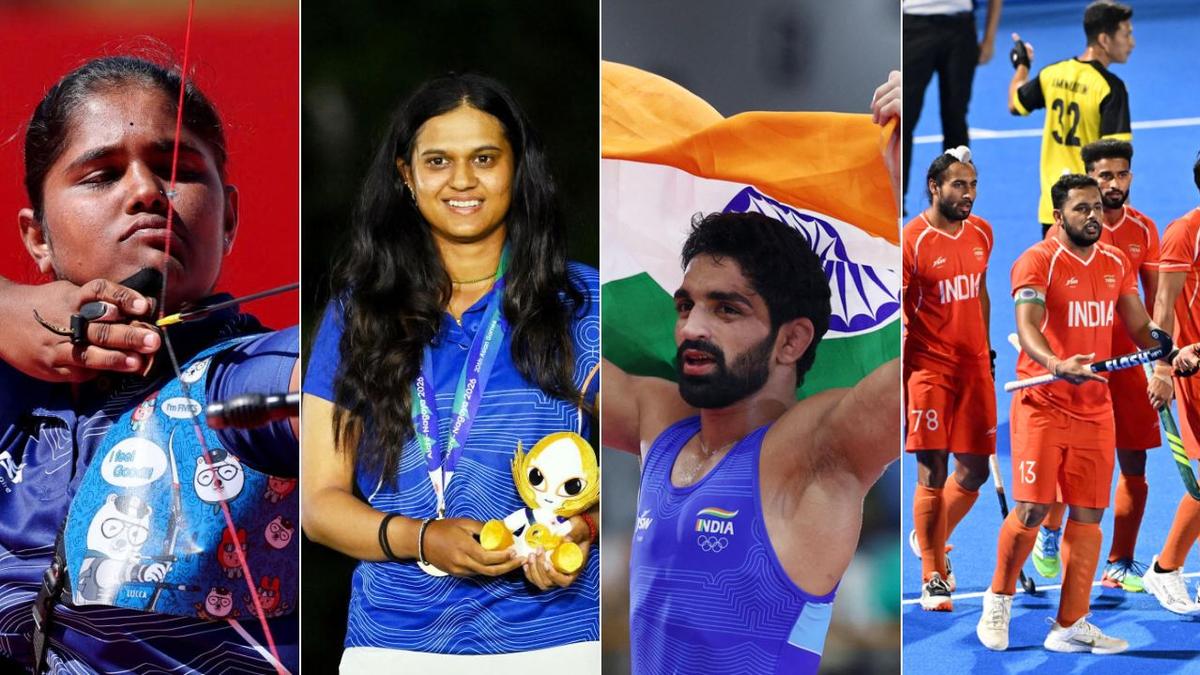
India Achieves Fourth Place at Asian Games 2026 Through Late Success