New Taliban Law Permits Domestic Violence Against Women in Afghanistan


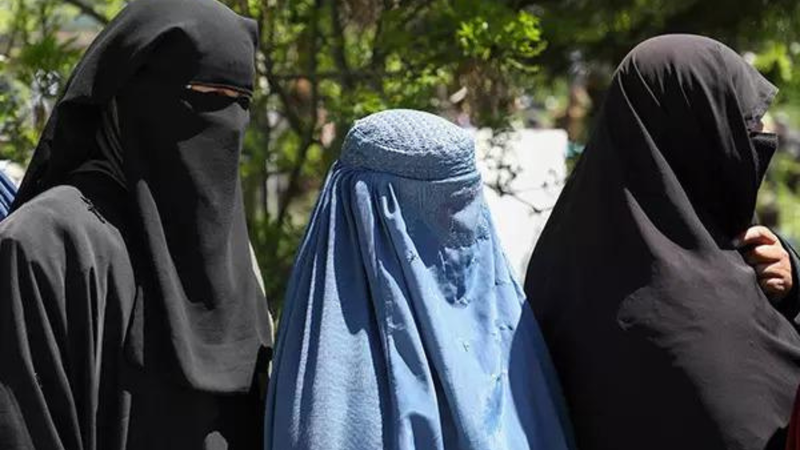
A new legal framework in Afghanistan under Taliban rule has raised alarm regarding the treatment of women in the country. A 90-page criminal code, signed by Taliban's supreme leader Hibatullah Akhundzada, outlines troubling provisions that effectively permit domestic violence against women, with punishments for offenders significantly reduced in severity.
The recently enacted code, titled De Mahakumu Jazaai Osulnama, divides Afghan society into various categories, including 'scholars', 'elite', 'middle class', and 'lower class'. This classification dictates the legal repercussions for individuals based not on the nature of the crime, but rather their social standing. Reports indicate that religious leaders, known as mullahs, are afforded protection from legal action, effectively placing them above the law.
According to a human rights group based in Afghanistan, Rawadari, the new criminal procedure code was distributed across courts on January 4, 2026. Article 9 of the statute categorises the societal hierarchy, giving undue advantage to those at the top while disproportionately punishing those from the lower classes.
The implications for women are particularly severe. The code permits husbands to physically discipline their wives; however, punishment is only applicable if the assault results in severe injuries, like broken bones or open wounds. This means that, unless evidence can be presented showing serious harm caused, a husband will not face legal consequences, and the burden of proof lies solely with the woman.
In terms of punishment, if a woman manages to prove her case, her husband could face only 15 days of imprisonment. Conversely, women are subjected to harsher penalties, including potential imprisonment of up to three months for leaving their homes without their husband's consent. The code also states that not only the woman but her relatives could be charged with the same offence, complicating any attempts at seeking refuge.
Critics of the law stress that it effectively legalises domestic violence, raising serious concerns about the rights and safety of women in Afghanistan. Moreover, the law does not provide protections for children, with teachers still able to employ physical punishment, as long as it does not result in severe injury. Furthermore, the existing laws against violence against women appear to have weakened, reinforcing the subordinate status of women in the societal fabric of the country.
In a context where many women's rights advocates view these changes as regressive, the overarching message remains clear: the legal system appears to prioritise patriarchal control over the safety and dignity of individuals, particularly women. The new provisions draw a stark contrast to international human rights standards, prompting widespread condemnation from various human rights organisations.
The Taliban’s legal code reflects broader efforts to solidify its authority and redefine societal norms, leading to international concern. The news of such a legal framework has raised critical questions about the future for Afghan women and their rights under Taliban governance.

Indian Women's Hockey Team Secures Asian Games Gold After 44 Years
North Korea Launches Ballistic Missile Amid Rising Tensions
G7 Nations to Release 100 Million Barrels of Oil Amid Price Surge

Flydubai Co-Pilot Allegedly Attempts Terrorist Attack Mid-Flight