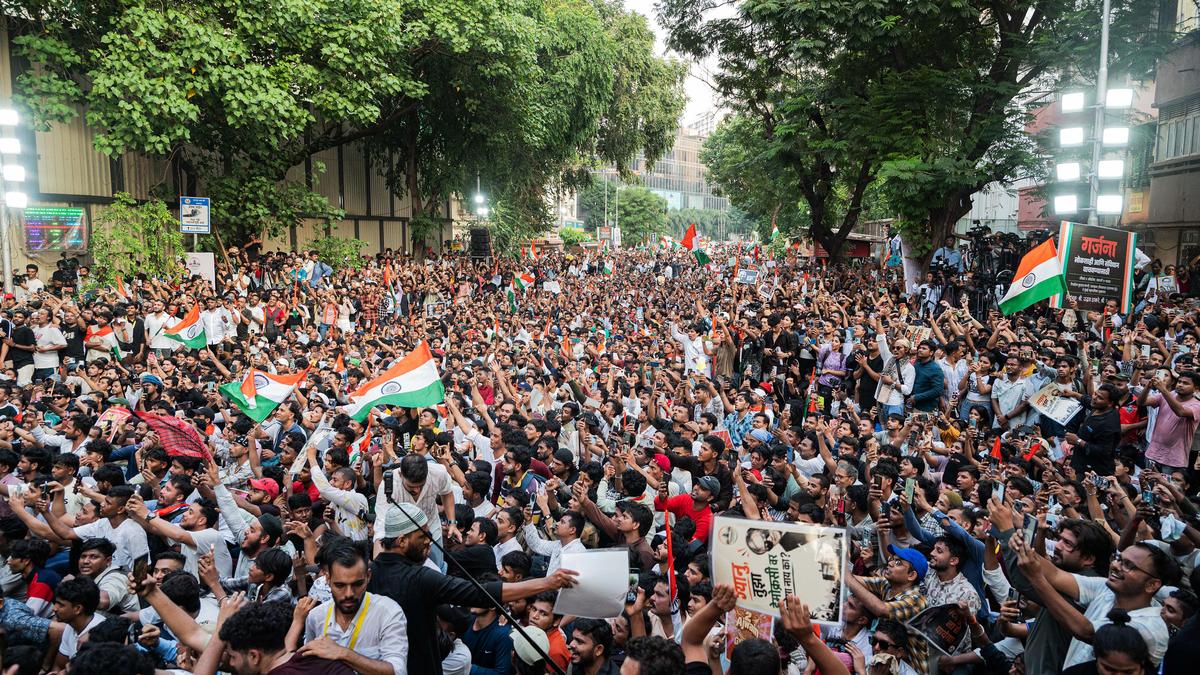
US Lawmaker Criticises Donald Trump's Proposed Tariffs on India


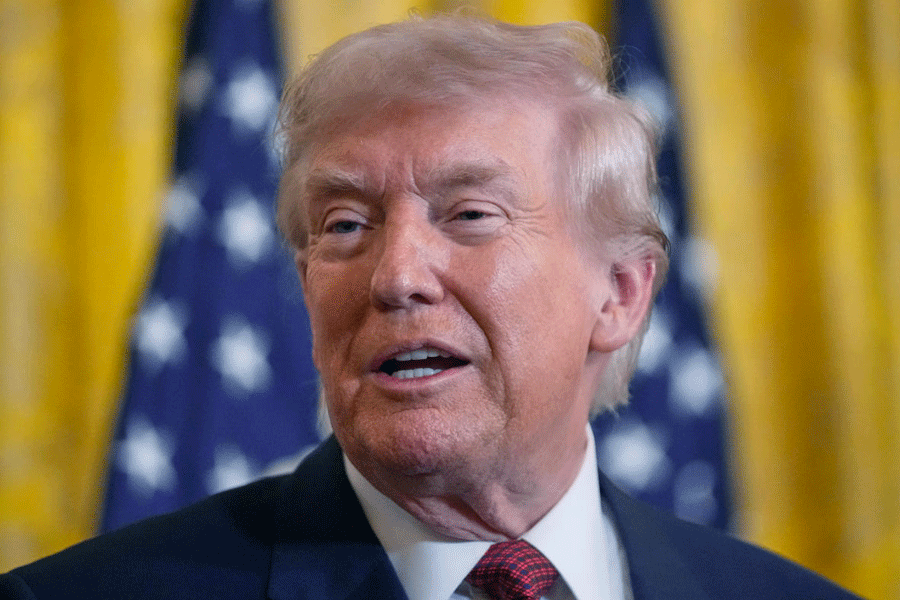
A prominent United States lawmaker has expressed strong disapproval of President Donald Trump's approach to tariffs concerning India. Democratic Congressman Brad Sherman from California took to social media to argue that the President appears to be unjustly targeting India, which he describes as 'our ally'.
In a post on the platform X, Congressman Sherman stated, "President Trump is grasping for excuses to slap outrageous tariffs on India." His comments come against a backdrop of strained trade relations amid concerns regarding oil imports from Russia.
Sherman highlighted a perceived inconsistency in Trump's tariff policy by comparing India's situation to that of Hungary and China, both of which have significant dealings in Russian oil. He remarked that while Hungary imports 90% of its crude oil from Russia without facing any tariffs, India, which sources just 21% of its crude from Russia, is being unfairly singled out.
The Congressman urged President Trump to reassess this policy, stating, "The President should reverse this policy immediately." His remarks followed the recent announcement that India and the United States had established an interim framework for a much-anticipated trade deal, resulting in a reduction of reciprocal tariffs on Indian goods and services from 25% to 18%.
This announcement coincided with President Trump's decision to sign an executive order, thereby removing the 25% punitive tariffs that had previously been imposed on India for its purchases of Russian oil. Notably, Trump and his aides had claimed to have received commitments from the Indian government to halt these Russian oil purchases, a claim India has not confirmed.
Recently, India's External Affairs Minister S. Jaishankar dismissed assertions that India was being pressured by the US to limit its Russian oil imports. During the Munich Security Conference, he stated that India was "very much wedded to strategic autonomy" and pointed out that global oil companies make decisions based on availability, cost, and risk, rather than political considerations.
Minister Jaishankar also acknowledged the fluid nature of the current global energy market, emphasising the need for reassessment and common ground in diplomatic relations.
Despite ongoing discussions regarding India's oil purchases, recent trade data revealed a significant reduction in merchandise imports from Russia. In January 2026, imports from Russia plunged by 40.48% compared to the previous year, with crude oil imports particularly affected. While official trade data continues to be awaited, analysts noted that crude oil typically comprises about 80% of India's total imports from Russia.
Overall, Sherman's statements reflect the ongoing tensions between the United States and India regarding trade policies, particularly in light of the fluctuating global energy landscape. As both nations seek to strengthen their trade relations, it remains to be seen how these tariff proposals will influence future diplomatic discussions.
Indian Women's Hockey Team Secures Asian Games Gold After 44 Years
North Korea Launches Ballistic Missile Amid Rising Tensions
G7 Nations to Release 100 Million Barrels of Oil Amid Price Surge
Flydubai Co-Pilot Allegedly Attempts Terrorist Attack Mid-Flight