Netanyahu to Discuss Iran's Missile Threat with Trump in December


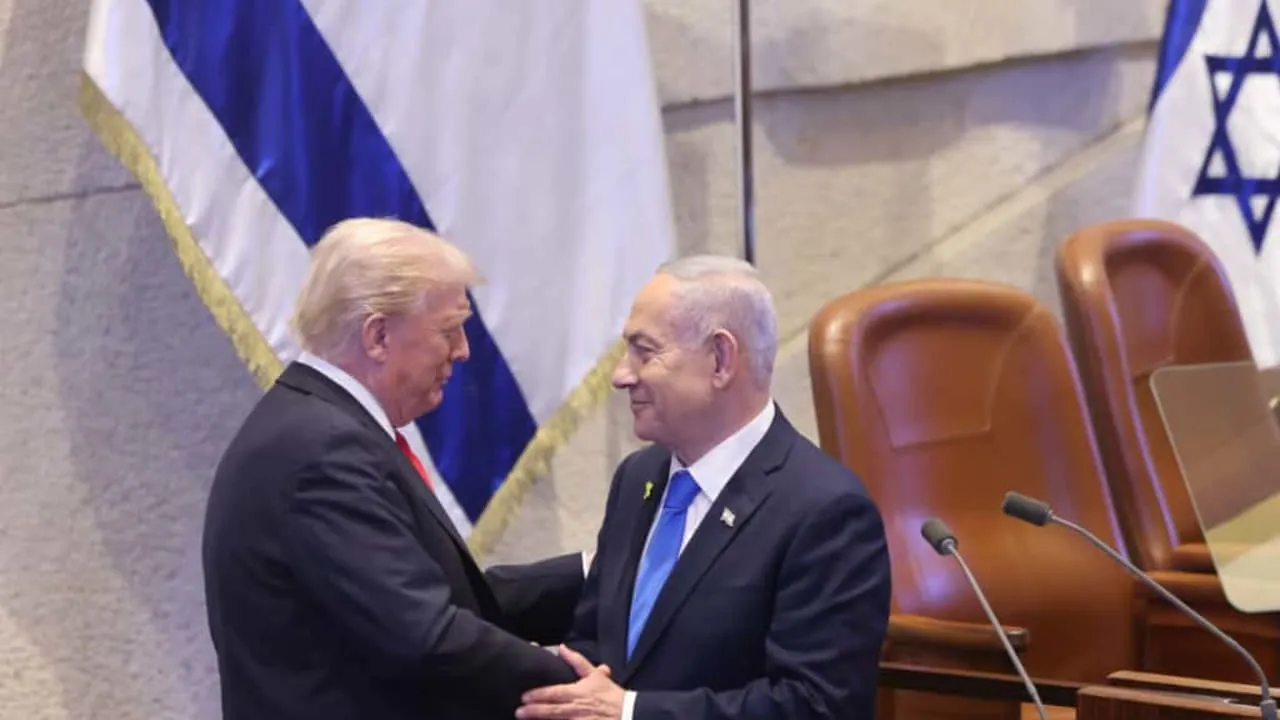
Israeli Prime Minister Benjamin Netanyahu is set to meet United States President Donald Trump on December 29, 2025, to address rising concerns regarding Iran's ballistic missile programme. Israeli officials have reportedly expressed alarm over Iran's alleged efforts to expand its missile capabilities, which were previously targeted during military strikes earlier this year. According to sources familiar with the situation, Netanyahu aims to persuade Trump of the necessity for action against Iran's missile development, arguing that it poses a threat not only to Israel but also to broader regional stability, including American interests.
The discussions come in the wake of an ongoing Israeli-Iranian conflict, during which Israeli military operations damaged key components of Iran's missile infrastructure. There are also worries that Iran is in the process of rebuilding nuclear enrichment sites that were hit during U.S. airstrikes in June, as part of Operation Midnight Hammer.
Israeli officials have reportedly prioritised the missile programme and the repair of Iran's air defence systems as immediate threats. They believe that if left unchecked, Iran could ramp up its missile production significantly, potentially producing thousands of missiles each month.
Ahead of the meeting, Netanyahu is expected to present Trump with various military options that could involve U.S. participation or support in any potential strikes against Iran. The Israeli leader's aim is to highlight the broader implications of Iran's missile advancements, which he argues could destabilise the region further.
White House spokesperson Anna Kelly reiterated the U.S. government's assessment of Iran's capabilities, stating, "The International Atomic Energy Agency and Iranian government corroborated the United States government’s assessment that Operation Midnight Hammer totally obliterated Iran’s nuclear capabilities." She cited Trump's stance that any pursuit of nuclear weapons by Iran would result in a swift and decisive response.
As tensions escalate, Netanyahu's upcoming meeting with Trump may also touch upon the fragile ceasefire between Israel and Hamas, amidst concerns that neither side is adequately progressing towards the next steps outlined in their agreement. This includes the withdrawal of Israeli forces from Gaza and the establishment of an interim governing body to replace Hamas.
The Israeli government has remained tight-lipped about the details of the planned discussions, and the Iranian Mission at the United Nations has not responded to requests for comment on the matter.
While Netanyahu's proposals could lead to new military actions, it remains to be seen how the U.S. administration will respond, particularly as Trump weighs other international military considerations, such as potential actions in Venezuela.
The upcoming meeting is significant as it reflects the ongoing strategic partnership between Israel and the United States, especially in dealing with perceived threats from Iran. As the situation develops, the international community will be keenly observing the implications of this high-level dialogue on regional security and stability.

Kerala Initiates Probe into 2006 Suicide Case Involving CEC

Extradition of Sheikh Hasina Feasible, Says Indian High Commissioner

Punjabi Makeup Artist Mad Sandhu Shot Dead in Amritsar

India Achieves Fourth Place at Asian Games 2026 Through Late Success