National Stock Exchange to Go Public with Major IPO Initiatives



The National Stock Exchange of India (NSE) has submitted its Draft Red Herring Prospectus (DRHP) to the Securities and Exchange Board of India (SEBI) as it prepares for its initial public offering (IPO). This offering will constitute a complete offer-for-sale (OFS) of approximately 14.89 crore shares by existing stakeholders, including significant institutions like the State Bank of India and various public sector insurance companies.
The upcoming IPO aims to raise around ₹30,000 crore, making it one of the largest public offerings in the history of India's capital markets. Following nearly a decade of regulatory hurdles, the NSE is now set to list its shares on the Bombay Stock Exchange (BSE).
Both NSE and BSE play a vital role in India's stock and derivatives trading environments, collectively dominating nearly the entire organised market. The NSE reported revenues in FY26 of ₹16,601 crore, which is over 3.5 times that of BSE's revenue, while its net profit was more than four times higher than that of its rival. Despite revealing a year-on-year revenue downturn of 3.1%, the NSE continues to lead in cash market trading volume, averaging ₹1.05 lakh crore daily compared to BSE's ₹7,950 crore.
NSE's financial structure includes various revenue streams, such as transaction charges—its primary source of income—as well as listing fees and technology services. In FY26, the NSE generated ₹13,057 crore from transaction charges and ₹352 crore from listing services, whereas BSE earned ₹3,795 crore from transaction charges and ₹519 crore from its listings.
With over 1.8 lakh shareholders, the proposed IPO will significantly impact the stock exchange landscape in India. State Bank of India, as a major stakeholder, plans to divest 2.4 crore shares, while public sector insurers will also collectively offload a substantial number as part of this offering.
In alignment with its growth strategy, NSE has appointed a team of merchant bankers and advisors for the IPO, marking a significant step in its long-awaited plans to go public. Once listed, this IPO is expected to elevate NSE into the ranks of India's top ten most-valued enterprises, with a projected valuation exceeding ₹5 lakh crore.
NSE's past listing attempts have been delayed by issues surrounding governance, particularly related to the co-location controversy, where certain brokers allegedly had preferential access to trading systems. However, following significant governance reforms and regulatory approvals, the stage is set for a successful public issue.
The record IPO will surpass the previous benchmark set by Hyundai Motor India, which held the title with a ₹27,870 crore public offering in 2024. With both exchanges consistently hosting IPOs, NSE and BSE have jointly nurtured the growth of the Indian capital market, demonstrating their critical roles in fostering investments and economic growth.
Investors interested in trading activities are advised to consider the risks involved in the securities market and to review all relevant documentation prior to making investment decisions.

Mamata Banerjee Challenges Election Commission in Supreme Court
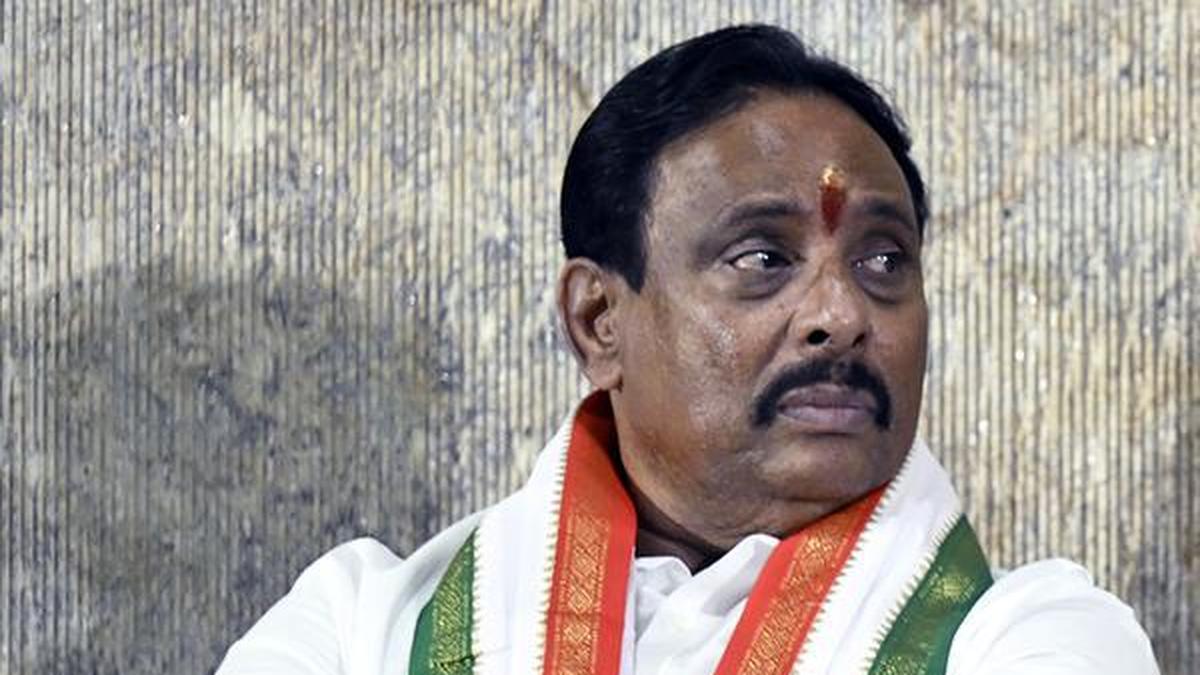
Telangana High Court Disqualifies MLA Danam Nagender Amid Political Fallout

Scottish Sikh Man Receives Bail in India After Nine-Year Detention

Delhi Police Investigate Gang-Rape and Murder of 16-Year-Old Girl