Modi Government Extends Agnipath Scheme Amid Youth Discontent


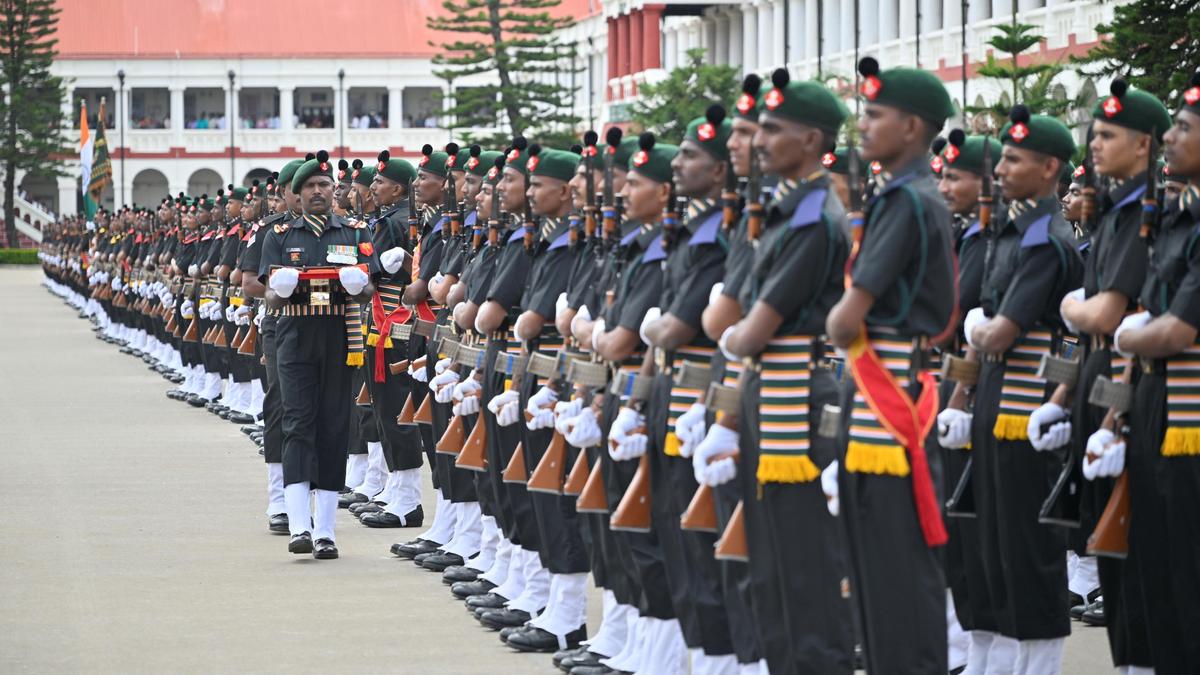
The Indian government has announced a two-year extension to the tenure of recruits under the Agnipath scheme, a decision that appears to be a response to ongoing youth discontent regarding employment security. This move comes just ahead of significant assembly elections, suggesting a strategic effort by the ruling Bharatiya Janata Party (BJP) to mitigate public dissatisfaction and bolster support among young voters.
Background on Agnipath Scheme
Launched by Indian Prime Minister Narendra Modi's administration, the Agnipath scheme aims to recruit young individuals into the Indian armed forces on a short-term basis. Originally designed to enhance military efficiency, it faced considerable backlash from youths concerned about job security following their service. This latest alteration, extending the tenure, comes amid increasing scrutiny over the scheme’s effectiveness and the government's handling of employment issues more broadly.
Impact of Youth Discontent
Youth discontent in India has been significant in recent years, largely driven by rising unemployment rates and a lack of stable job opportunities. Many young individuals expect consistent employment after completing their education, and the previously limited tenure of four years under the Agnipath scheme was viewed unfavourably. By extending the service term, the government aims not only to alleviate these concerns but also to present an image of responsiveness to public grievances.
Political Timing
The timing of this announcement raises questions about the motivations behind it. With assembly elections approaching, the BJP appears to be positioning itself to address electoral criticisms from opposition parties that have highlighted the perceived shortcomings of the scheme. Political analysts suggest that this decision may play a crucial role in influencing the youth's voting patterns in the upcoming elections.
In summary, the government’s decision to extend the Agnipath scheme's tenure is focused on addressing longstanding issues of job security among young people. While it remains to be seen whether this move will yield the desired electoral results for the BJP, it undeniably reflects the larger tensions between youth aspirations and government policies in India today.
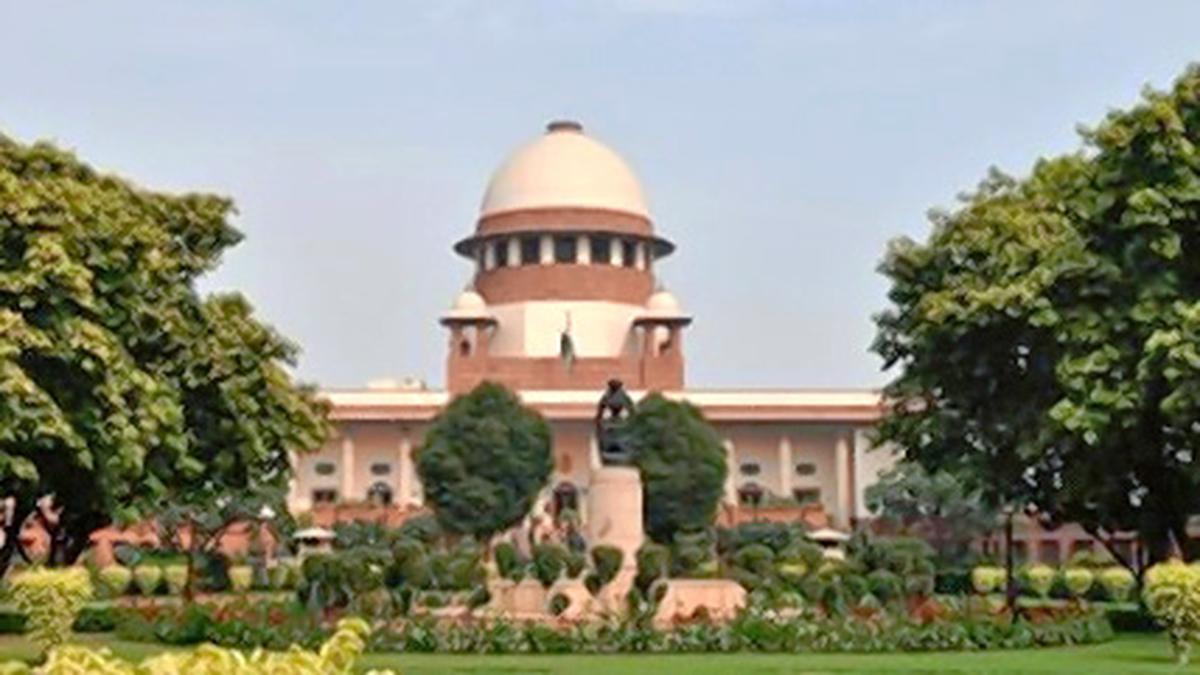
Supreme Court Clarifies Detention and Arrest Procedures in India
Indian Government Delays Decision on UGC Rules Amid Criticism

Hyderabad Startup Launches India's First Private Space Debris Facility

India’s Pralay Missile Completes User Trials, Induction Expected Soon