Microsoft CEO Praises Investment in OpenAI Amid Legal Dispute


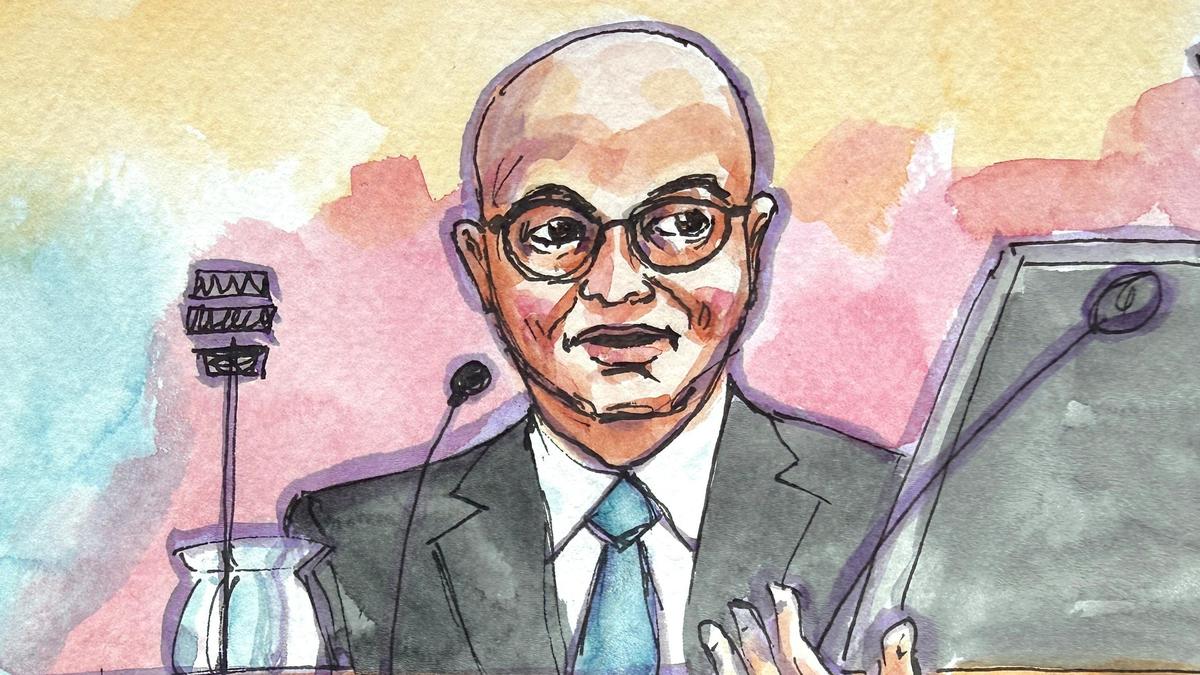
Microsoft Chief Executive Officer Satya Nadella expressed pride in his company's profitable investment in OpenAI during testimony related to a lawsuit brought by Elon Musk. The proceedings in Oakland, California, shed light on tensions within Silicon Valley regarding the direction of OpenAI, the organisation behind the popular ChatGPT chatbot.
Musk, who was an early supporter of the original nonprofit entity, claims that Microsoft facilitated a shift away from OpenAI's philanthropic roots, accusing the firm of misappropriating his contributions of $38 million to create a lucrative enterprise now valued at over $850 billion. He seeks a reversion of OpenAI to its nonprofit status, a move that could affect its competitive stance against organisations such as Anthropic, Google, and China's Deepseek.
In response, OpenAI argues that Musk's motivations are driven by personal grievances following his departure from the firm after failing to gain majority control. Nadella highlighted the impact of Microsoft’s investment, stating that it not only provided funds but helped transform OpenAI into one of the most well-resourced nonprofit organisations globally.
The lawsuit alleges that Microsoft's initial investment of $13 billion has substantially increased in value, soaring to a current valuation of approximately $135 billion. During his testimony, Nadella remarked, "It has worked out well because we took the risk. If the pie became larger, obviously the nonprofit would benefit as well with their mission - and that's what in fact it's proven out."
Musk's legal team referenced internal Microsoft documents to suggest that the tech giant was primarily focused on profit rather than fostering a philanthropic AI initiative. They have pointed to comments made by Nadella in 2023, where he stated, "We have the people, we have the compute, we have the data, we have everything."
The court proceedings also highlighted significant moments in OpenAI's recent history, such as when co-founder Sam Altman was ousted from the company, an action that prompted Microsoft to swiftly establish a subsidiary to support him and some other executives. The quick move was perceived as an attempt to prevent the formation of a rival company, with estimates suggesting the cost could have been around $25 billion.
After a brief period of turmoil, Altman was reinstated at OpenAI. He is anticipated to testify in the ongoing trial, with closing arguments expected later this week. An advisory jury is set to determine any wrongdoing by May 18, with Judge Yvonne Gonzalez Rogers providing the final ruling based on their recommendations.
Should the court side with Musk, the initial public offering plans for OpenAI may be significantly altered. The trial has already produced dramatic testimony, including co-founder Greg Brockman, who faced scrutiny regarding his aspirations to profit from the organisation. Notably, Musk’s lawyers suggested that Brockman appeared to exhibit a calculating attitude towards monetisation in his personal writings.
Adding to the complexity of the situation, Musk announced a significant partnership with Anthropic, a leading competitor to OpenAI, to leverage resources from SpaceX's data centre. The developments in this case illustrate the fiercely competitive environment surrounding artificial intelligence advancements, with the outcomes potentially shaping the future dynamics of the industry.
Trump and Xi Discuss Trade, AI, and Taiwan Amid Diplomatic Tensions
Xi Jinping Seeks Greater Concessions from Trump Amid Trade Talks
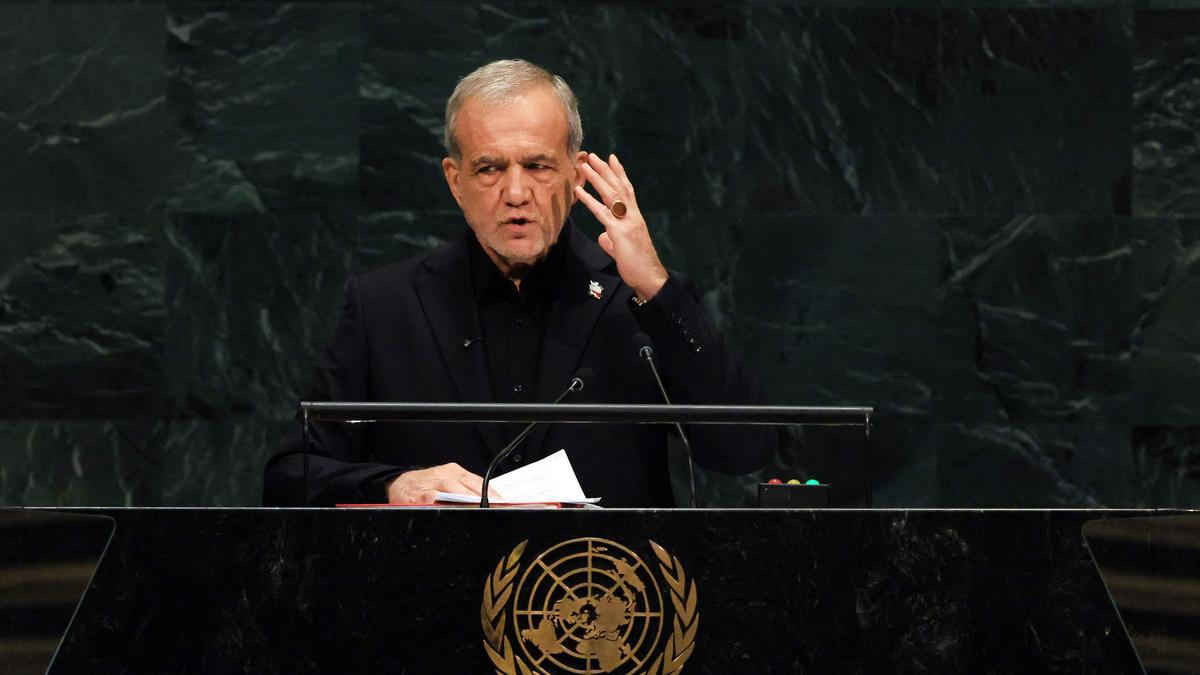
Iran's President Addresses Ongoing Conflict and External Threats
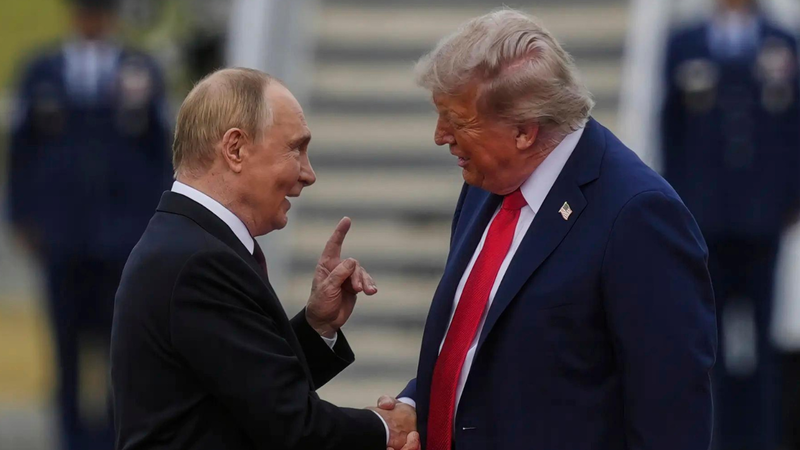
United States Invites Vladimir Putin to Miami G20 Summit