Marco Rubio Warns Against Evasion of Sanctions Post Modi-Pezeshkian Meet


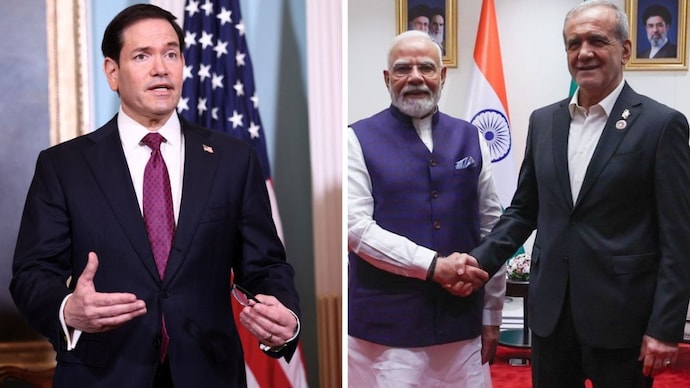
US Secretary of State Marco Rubio has issued a warning to India and other nations regarding assistance to Iran in evading US sanctions. This statement followed a meeting between Indian Prime Minister Narendra Modi and Iranian President Masoud Pezeshkian at the recent Shanghai Cooperation Organisation summit in Bishkek, Kyrgyzstan.
During an interview on The Brian Kilmeade Show, Rubio commented on the meeting, addressing whether India was negotiating a new trade agreement with Iran. "Well, I don't think there's a trade deal between India and Iran," Rubio stated. He recognised that countries have the autonomy to shape their foreign policies and engage with Tehran, yet emphasised that they should not aid Iran in circumventing sanction measures.
Rubio highlighted the intensifying economic campaign by the Trump administration against Iran, noting the potential ramifications for countries and firms that continue their business dealings with Tehran. This comes after US Treasury Secretary Scott Bessent announced "Operation Economic Outcast," designed to restrict Iran's economic resources severely.
Speaking directly on the issue, Rubio stated, "No country should be helping Iran evade sanctions. No country should be out there helping them create mechanisms by which they can generate revenue that they will then use to sponsor terrorism and try to build a nuclear weapon." He added that any nation that engages in such activities could face sanctions from the US.
In his address, PM Modi reiterated India's commitment to strengthen its historic ties with Iran and the intention to broaden and diversify trade between the two nations. Following his meeting with Pezeshkian, PM Modi conveyed that their discussions included various pressing issues in West Asia, particularly the situation surrounding commerce and maritime security.
"We had a discussion on the prevailing situation in the region. India will continue to support all efforts aimed at ensuring lasting peace," PM Modi remarked in a social media post. He also expressed concern over rising tensions in the area, advocating for conflict resolution through dialogue and diplomacy.
The Ministry of External Affairs of India outlined that PM Modi underscored the necessity to guarantee the safety of commercial vessels and highlighted the importance of maintaining freedom of navigation in affected waters. This safeguard is especially relevant for India, given its substantial commercial interests in the region.
In response, Pezeshkian expressed gratitude towards India for its ongoing support, urging New Delhi to leverage its diplomatic channels to mitigate tensions in West Asia. He contended that Tehran is committed to peace and stability, while criticising the US for opting for confrontation rather than diplomatic engagement.
Pezeshkian stated, "Unfortunately, instead of making use of diplomatic mechanisms, the Americans have chosen the path of war, insecurity and imposing their will through force." He affirmed that Iran does not seek conflict and is focused on the welfare of its citizens while striving for stability.
Amidst this geopolitical backdrop, PM Modi's dialogue with Pezeshkian places India in a complex position. India has maintained a significant level of cooperation with Iran throughout history while also nurturing a critical relationship with the United States. This balancing act underscores the intricacies of international relations in a region marked by ongoing tensions.
As these discussions evolve, the implications for trade, diplomacy, and security in the region will continue to develop. The landscape remains dynamic, with each country navigating its interests in a rapidly changing geopolitical environment.
Kerala Initiates Probe into 2006 Suicide Case Involving CEC
Extradition of Sheikh Hasina Feasible, Says Indian High Commissioner

Punjabi Makeup Artist Mad Sandhu Shot Dead in Amritsar
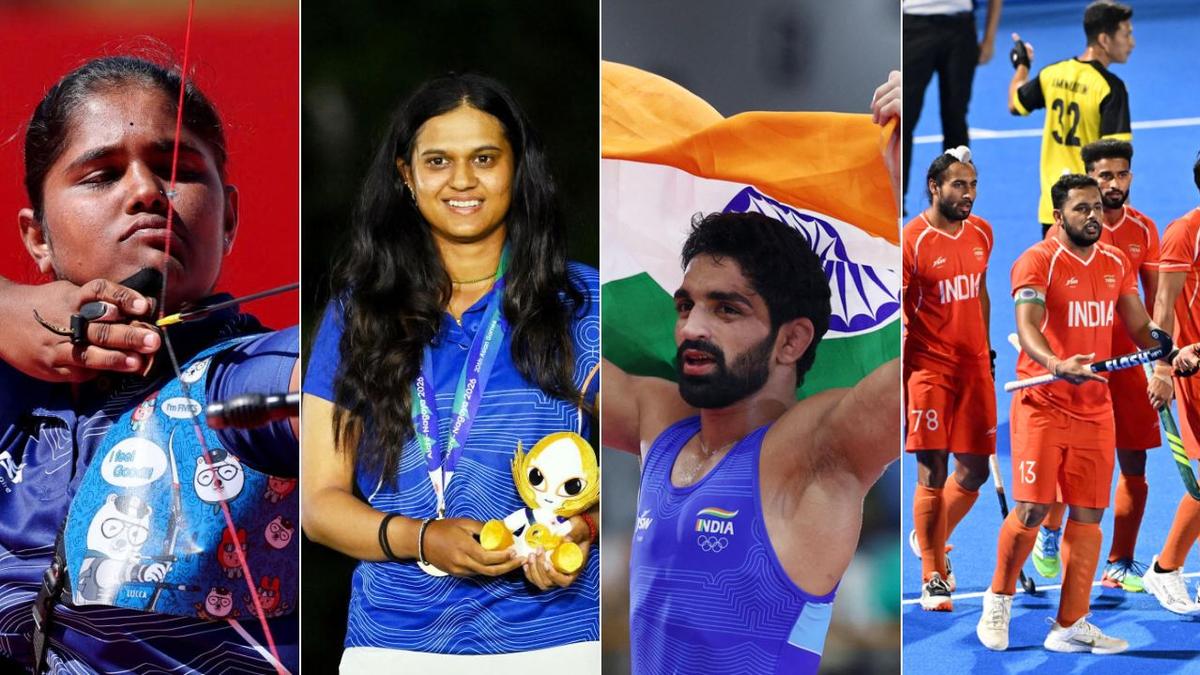
India Achieves Fourth Place at Asian Games 2026 Through Late Success