Malaysia Initiates Repatriation of 5,000 Asylum Seekers to Myanmar


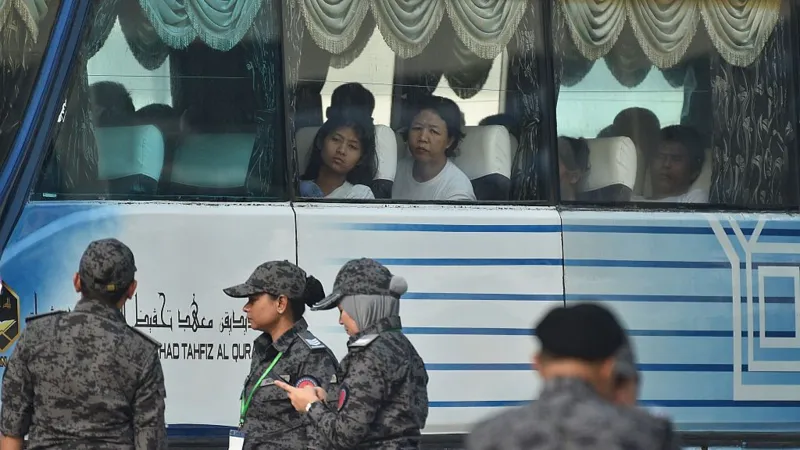
The Malaysian government has commenced the repatriation of approximately 5,000 asylum seekers from Myanmar, a move that has drawn significant controversy. This operation stems from an arrangement with Myanmar's military leader, Min Aung Hlaing. On Tuesday, the Myanmar navy set sail from Malaysia, transporting the first group of 1,476 returnees to their home country. Critics, including human rights organisations, have expressed alarm over the situation, claiming that the returnees might face violence, discrimination, and forced military service upon their return.
While Malaysia asserts that the returns are voluntary, the United Nations refugee agency has been barred from assessing the situation of the returnees, who have been held in detention centres prior to their deportation. Malaysian Prime Minister Anwar Ibrahim stated that increasing public sentiment against the Rohingya population—a significant Muslim minority marginalized in Myanmar—has compelled the government to engage in dialogue with the military authorities in Myanmar regarding this repatriation process.
Notably, it remains uncertain whether any Rohingyas are included in the initial group of deportees. This is particularly concerning as more than a million Rohingyas have fled Myanmar since 2017 due to military crackdowns described by the UN as potential acts of genocide. The shift in Malaysia’s policy highlights a stark contrast to recent years, where the country maintained a more lenient approach to the presence of Rohingya individuals.
Factors influencing this reversal include the heightened economic strain brought on by the Covid-19 pandemic, which has intensified hostility towards the Rohingya population among Malaysians. Furthermore, the political landscape in Malaysia has remained tumultuous since a pivotal election in 2018 that resulted in the removal of the long-standing ruling party, the United Malays National Organisation (UMNO).
Historically, many Malaysians have shown empathy towards their Rohingya counterparts, particularly following the military's 2017 assault that resulted in mass displacement. However, as the economic situation worsened, sentiments began to shift. Social media campaigns have exacerbated public distrust of the Rohingya, with unfounded accusations against them gaining traction. A petition demanding their removal amassed over 400,000 signatures.
Despite his past reputation as a proponent of human rights, Anwar faces considerable political pressure. He has previously championed humane treatment for refugees but stated that Rohingyas represent "a burden" and must be expelled. Critics, including some of his former allies, have accused him of abandoning fundamental principles in light of political expediency. Tricia Yeoh, Director of the Asian Institute for Policy and Engagement at the University of Nottingham Malaysia, remarked on Anwar’s compromised position, citing the pressures he faces from coalition partners and rising public resentment as significant factors behind the repatriation.
Over the years, the dynamics surrounding Rohingyas in Malaysia have shifted significantly. The community, estimated at over 200,000, has relied heavily on informal work sectors,, facing increased stigma and barriers to employment recently, prompting fears of harassment and discrimination. These societal challenges are further complicated by the ongoing humanitarian crisis in Myanmar, where civil strife continues to pose safety risks for any returnees.
As Malaysia heads towards national elections slated for next year, the Rohingya issue may become a focal point in political discourse, potentially leaving the vulnerable community in a precarious situation. The complexities surrounding their status and safety in Myanmar, given their lack of citizenship and legal documentation, raises significant concerns regarding the feasibility and ethics of the Malaysian government's decision to repatriate them.
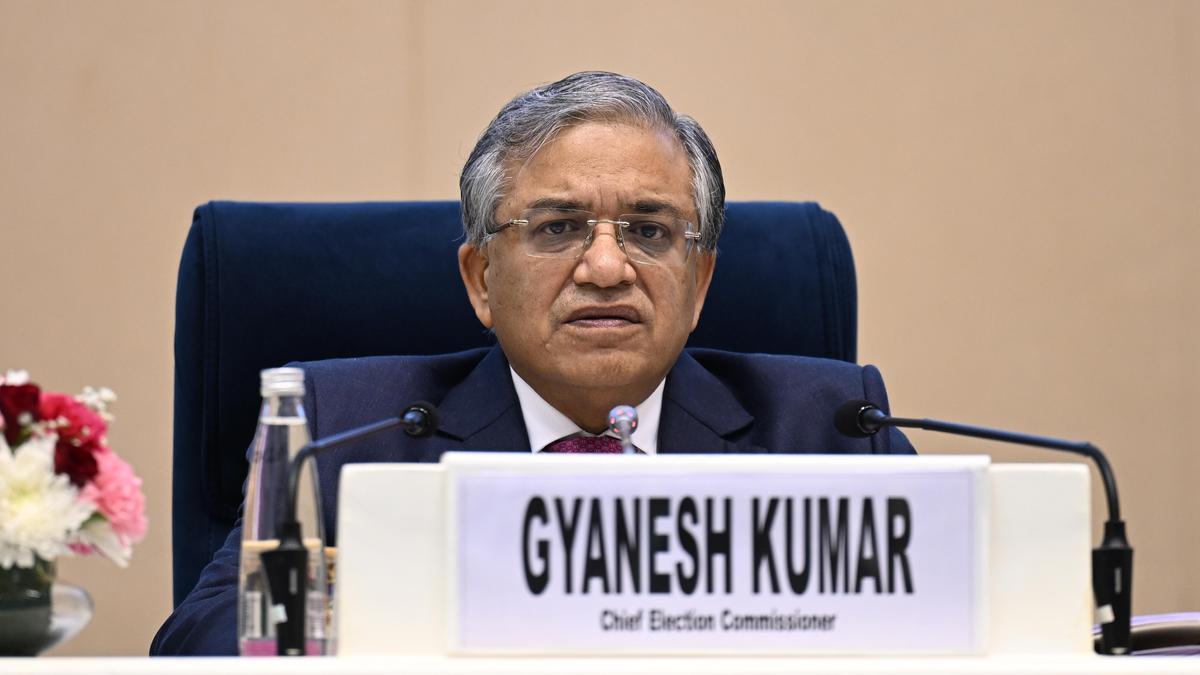
Supreme Court to Consider Plea Against Chief Election Commissioner

Supreme Court Justice Dedicates Judgment to Late Law Clerk
Nirav Modi Associate Sandeep Mistry Extradited and Arrested by CBI
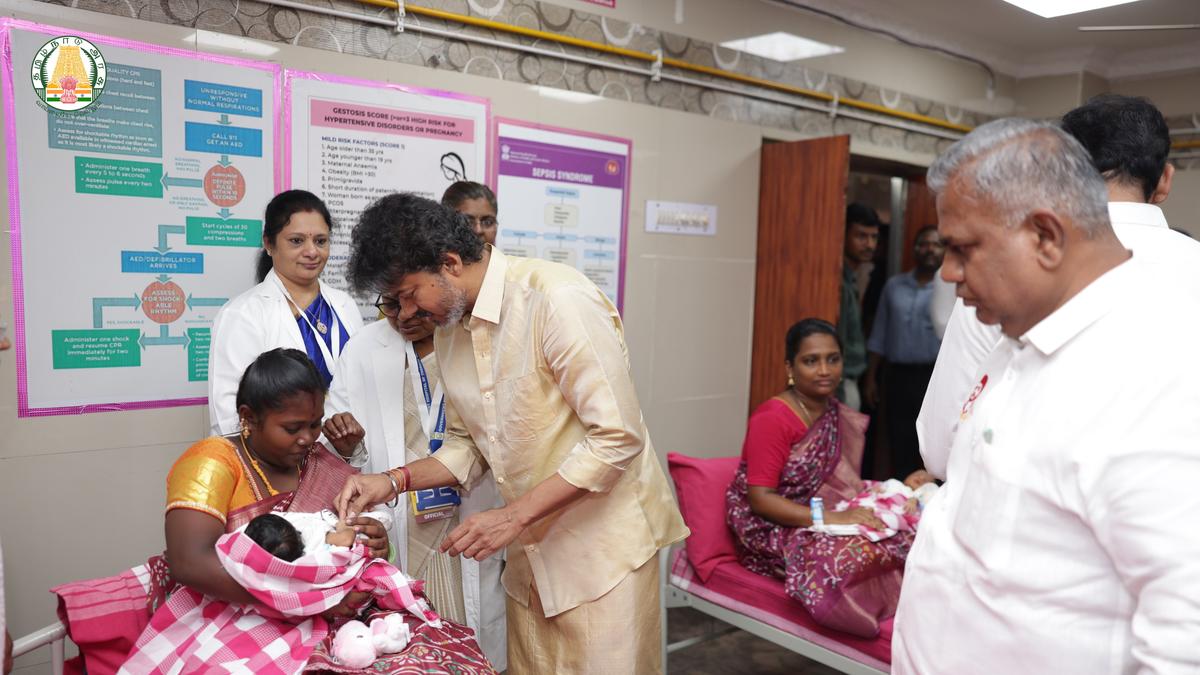
Tamil Nadu Chief Minister Launches Gold Ring Scheme for Newborns