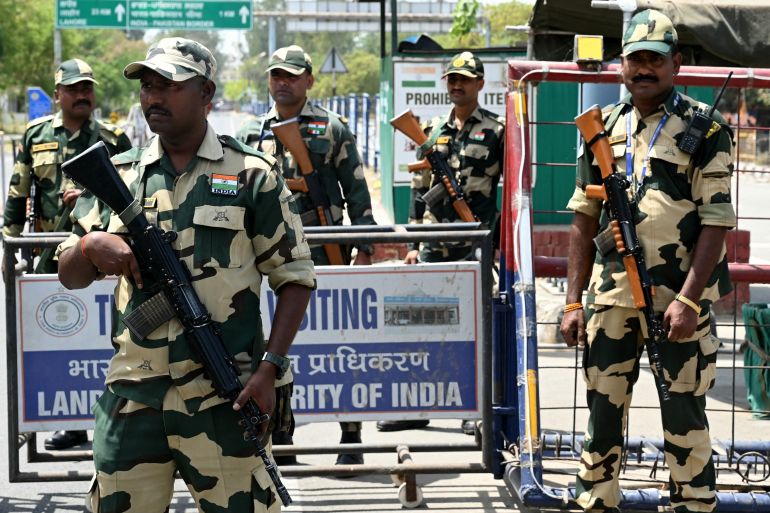
Major Voter Roll Changes in Tamil Nadu Ahead of Elections


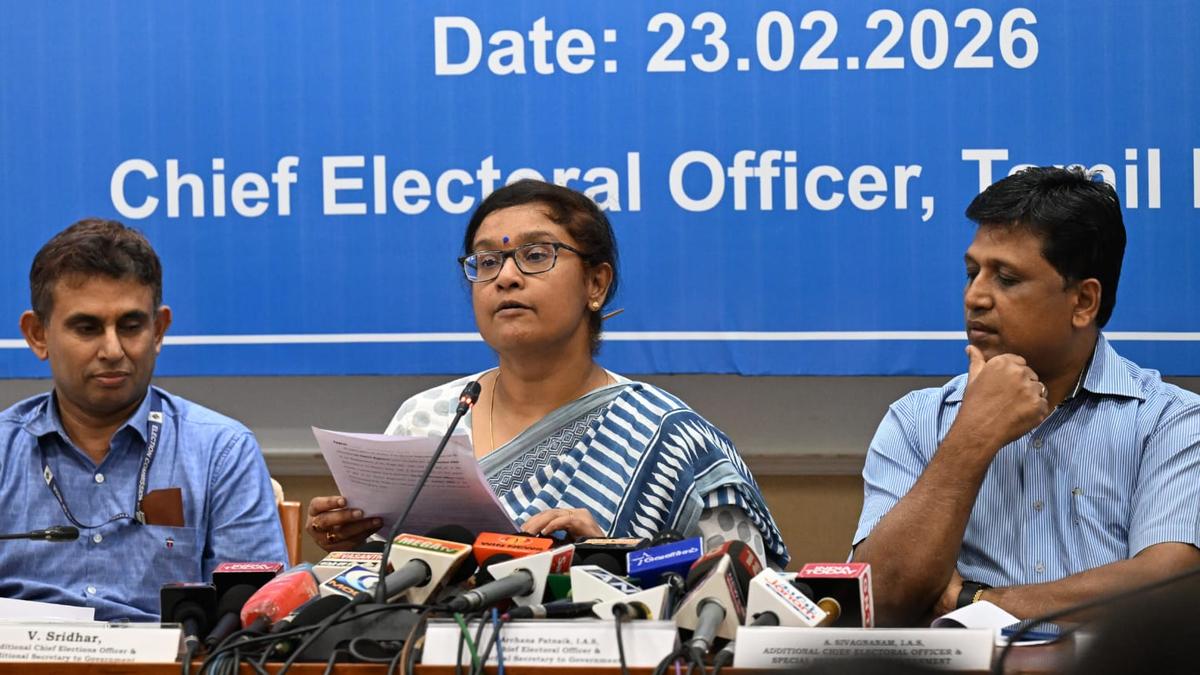
The Election Commission of India has completed its Special Intensive Revision (SIR) in Tamil Nadu, leading to the removal of approximately 7.4 million voters from the final electoral list. As a result, the total number of registered voters in the state stands at about 56 million. This revision process began on October 27, 2025, and was part of a nationwide effort to update electoral rolls ahead of the upcoming Assembly elections expected to take place in April or May 2026.
According to reports, the final electoral roll was disclosed on February 23, 2026. Chief Electoral Officer Archana Patnaik announced the latest figures at a press conference in Chennai, emphasising that the completed roll now comprises 56,707,380 voters. This includes 27,738,925 men, 28,960,838 women, and 7,617 voters identifying as third gender.
The removal of voters was significant; earlier draft rolls had included approximately 64 million electors. The revision exercise led to the deletion of 97.3 lakh names in the draft version, with 27.5 lakh new eligible voters added during the claims and objections period, which concluded on January 30, 2026. However, a total of 42,000 names were deleted during this period due to discrepancies and duplicate entries.
Additionally, across other states and Union Territories undergoing similar electoral roll revisions, around 17 million names have been removed in total. In Bihar, recent reports indicated that about 4.7 million names were also excluded from the voter list. This has raised concerns about potential disenfranchisement, prompting multiple petitions in the Supreme Court regarding the revisions.
On a related note, amidst international tensions, the Indian government has issued a travel advisory for citizens in Iran, recommending they leave due to safety concerns. This advisory follows reports of escalating military actions in the region.
Simultaneously, Bihar's government is set to implement a ban on the sale of meat and fish near educational institutions and religious sites to promote public health. The state government aims to foster social harmony through these measures, which have stirred varied responses from local communities.
The developments in both Tamil Nadu and Bihar reflect broader political and social dynamics as India approaches a crucial election period, marked by significant changes in voter registration and public policy prioritisation.
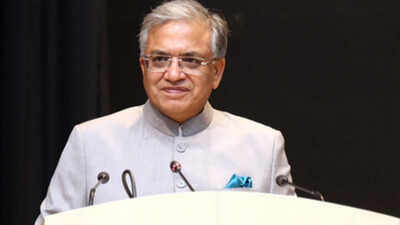
Kerala Initiates Probe into 2006 Suicide Case Involving CEC

Extradition of Sheikh Hasina Feasible, Says Indian High Commissioner

Punjabi Makeup Artist Mad Sandhu Shot Dead in Amritsar
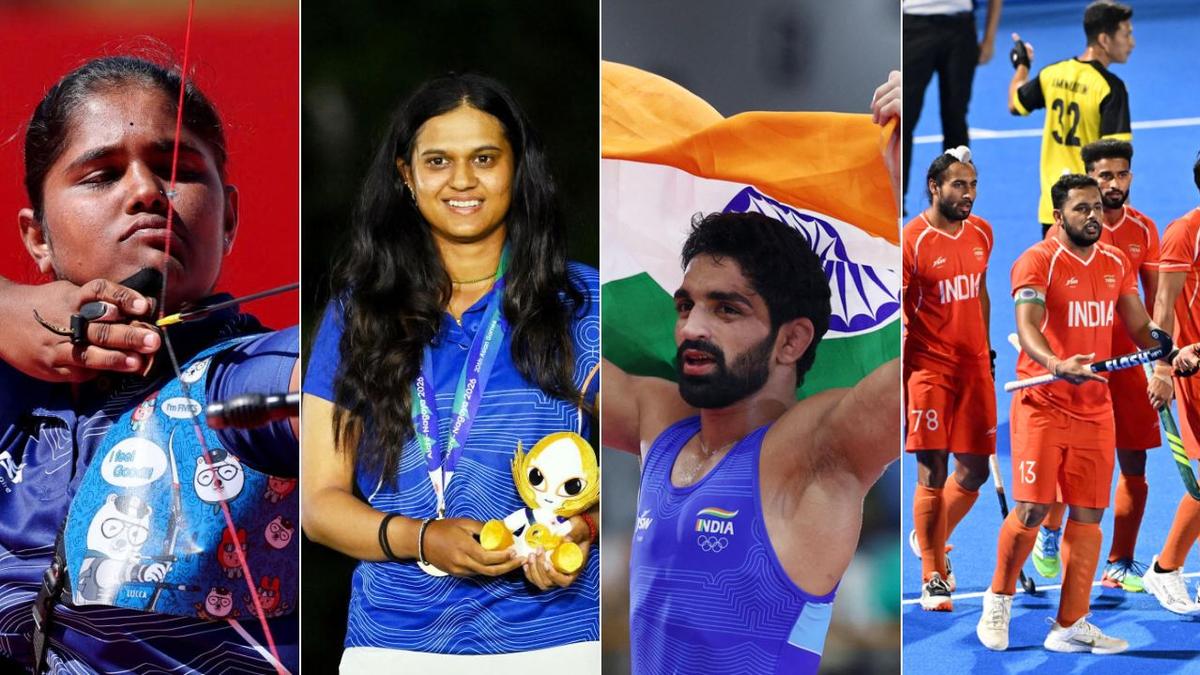
India Achieves Fourth Place at Asian Games 2026 Through Late Success