Iran Nearing Bomb-Grade Uranium as Protests Erupt in Tehran


Iran is reportedly just a week away from enriching uranium to bomb-grade levels, prompting significant concern from international powers. This development comes as protests against the Iranian government have intensified, particularly in Tehran, where students have rallied at various universities. The demonstrations are gaining traction as they mark the largest gatherings since a deadly government crackdown earlier in the year.
Recent indications from Iranian officials suggest progress in their nuclear programme, which many Western countries suspect is aimed at developing a nuclear weapon—a claim Iran vehemently denies. The United States and its allies have been closely monitoring the situation, as tensions rise over Iran's nuclear ambitions.
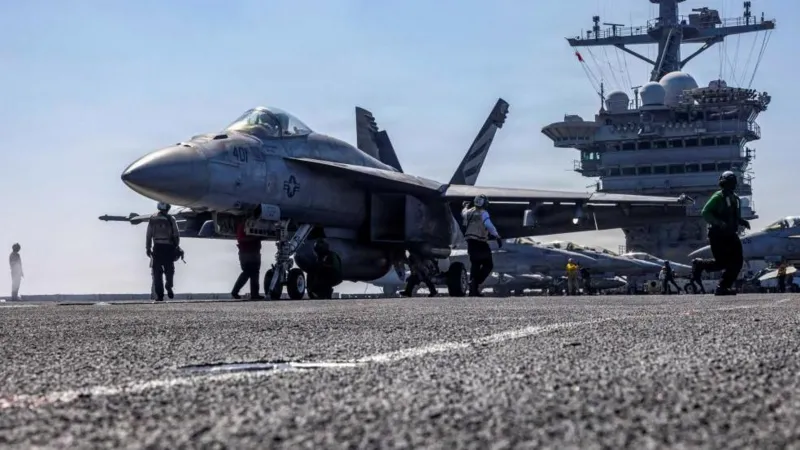
US President Donald Trump has expressed curiosity regarding Iran's resistance to pressure, suggesting that the country should have considered capitulating by now, given the military might stationed nearby. Trump’s special envoy, Steve Witkoff, indicated that the US military presence in the region, including aircraft carriers and destroyers, is aimed at exerting maximum pressure.
In remarks to Fox News, Witkoff stated, “He [Trump] understands he's got plenty of alternatives, but he's curious as to why they haven't... capitulated.” The envoy noted that under significant international pressure, it was perplexing why Iran had not engaged more readily with diplomatic options to quell the nuclear tensions.
Amidst these geopolitical tensions, protests have erupted across Iranian universities, beginning over the weekend. Demonstrations at the Sharif University of Technology turned chaotic as anti-government protesters clashed with pro-government supporters. Demonstrators have invoked historical symbols, including the Lion and Sun flag, which was prominent before the 1979 Islamic Revolution, calling out slogans such as “Javid Shah” or “long live the king.”
The protests reportedly spread to other institutions, including Iran University of Science and Technology and Khajeh Nasir Toosi University in Tehran, with similar gatherings noted at Ferdowsi University in Mashhad. Eyewitness accounts and verified video footage depict a tense atmosphere, where anti-government protesters have been met with aggressive counter-demonstrations.
The Human Rights Activists News Agency has documented a staggering number of casualties from previous protests, reporting over 7,000 deaths, including many civilians. Iranian authorities have contested these reports, asserting that many confirmed casualties were security forces responding to riots.
In parallel to these protests, Iranian foreign minister Abbas Araghchi mentioned that there is still hope for a diplomatic resolution regarding Iran's nuclear programme. Araghchi indicated that negotiators were finalising a draft agreement aimed at reconciling the ongoing stalemate. This comes after indirect talks in Switzerland aimed at addressing the nuclear issue, where some progress was reported.
As tensions remain high with Iran's nuclear developments and public discontent brewing, the international community is watching closely for any further escalation in the region. The situation may lead to further military or diplomatic actions in the coming days as deadlines approach and protests continue.
Kerala Initiates Probe into 2006 Suicide Case Involving CEC
Extradition of Sheikh Hasina Feasible, Says Indian High Commissioner

Punjabi Makeup Artist Mad Sandhu Shot Dead in Amritsar

India Achieves Fourth Place at Asian Games 2026 Through Late Success