Loss of Y Chromosome Linked to Early Cancer Identification


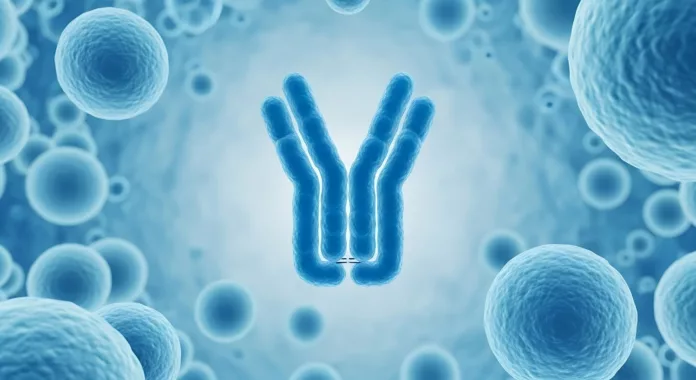
For many years, researchers have observed that men often experience a loss of their Y chromosome in certain cells as they age. This loss, known as mosaic loss of the Y (mLOY), has been frequently associated with various male cancers, particularly linked to tumour growth. However, the frequency of mLOY in normal bodily tissues of men without cancer remained largely unknown.
A recent study led by Dr. Dan Theodorescu at the University of Arizona Cancer Center now indicates that this phenomenon could serve as an early indicator of cancer development in the body. Published in JCI Insights, the study reveals that loss of the Y chromosome generates a pre-neoplastic field effect, creating an undetectable area of genetic vulnerability within seemingly normal tissue. Dr. Theodorescu noted, “We were able to show that the loss of the Y chromosome is found in normal-appearing tissues adjacent to a tumour. That finding is what makes this discovery so exciting. It suggests we may be looking at one of the earliest signposts of cancer forming.”
Theodorescu's team conducted an extensive analysis of 1,000 tissue samples from 405 men, examining over 4.3 million cell nuclei through advanced automated fluorescent imaging techniques. They assessed the ratio of Y to X chromosomes and created intricate maps of tissues removed during cancer surgery.
Their findings revealed a distinct gradient in Y chromosome loss within bladder tissue: initial loss occurred in normal tissues, increased in abnormally altered cells, and peaked in fully developed cancer cases. This progression shows a clear correlation between mLOY and cancer development, suggesting it may function both as a biomarker and a mechanism driving tumour growth.
Similar patterns of Y chromosome loss were observed across multiple organs including the colon, rectum, oesophagus, pancreas, and lungs.
As Dr. Theodorescu explained, “The closer the tissue is to a cancer, the more Y chromosome loss we see. That gradient could one day help doctors suspect trouble in biopsies that miss a smaller cancer.” Normally, male cells feature one X and one Y chromosome, and the loss of the Y disrupts the cell's genetic balance.
Earlier studies by Theodorescu have shown that LOY in cancer cells allows them to evade the immune system, contributing to the heightened lethality of cancers displaying this genetic alteration. The latest research highlights the extent of danger posed by LOY since it can also be detected in neighbouring tissue that appears normal, indicating a vulnerability prior to tumour formation.
This discovery opens new avenues for early cancer detection based on the identification of Y chromosome loss in biopsies. The ability to recognise LOY may enable medical professionals to identify tissues at risk even before visible signs of cancer arise, particularly critical in organs like the pancreas or lungs where early detection has proven challenging.
The loss of the Y chromosome is a common occurrence in aging men, especially prevalent in blood cells, and has previously been linked to an elevated risk of illness. The revelation that LOY induces a pre-cancerous field effect raises important questions regarding its implications in cancer prevalence among men.
Researchers are now contemplating whether LOY could elucidate the reasons behind the increased incidence of certain cancers in males. Furthermore, they are investigating whether treatments targeting pathways associated with LOY might lower cancer risk. Regular screening for LOY could potentially become an integral part of preventive healthcare strategies in the future.

ABVP Wins Majority in Delhi University Students' Union Elections

Rahul Gandhi Criticises Modi Government's Attitude Towards Students

Delhi Chief Minister Faces Scrutiny Over Ongoing Notices

Former Union Minister Detained in Punjab Protest Against CM