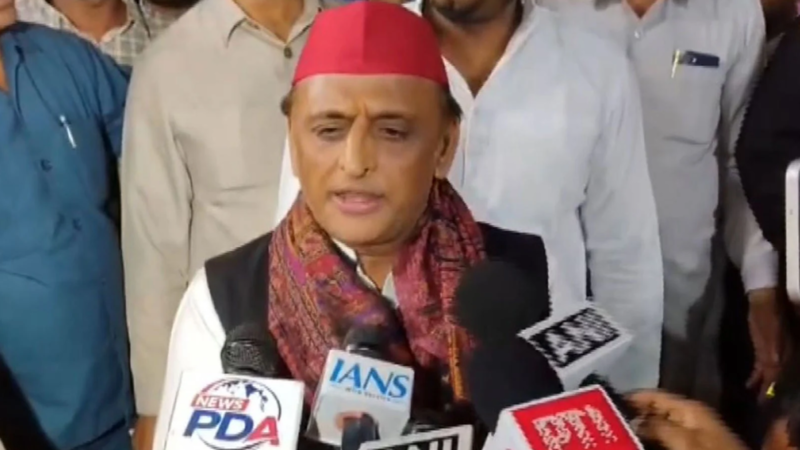
Lok Sabha No-Confidence Motion Against Speaker Om Birla Defeated


A resolution seeking the removal of Lok Sabha Speaker Om Birla was rejected by a voice vote in the Indian parliament on Wednesday after a debate marked by loud protests from opposition lawmakers.
The motion had been introduced by opposition parties led by the Indian National Congress, which accused the Speaker of failing to maintain neutrality while presiding over parliamentary proceedings.
During the debate, India’s Union Home Minister Amit Shah criticised the opposition for moving the motion, describing it as an unusual step in parliamentary practice.
“It is not an ordinary occurrence as after nearly four decades such a motion has been brought against the Speaker,” Shah said during his address to the House.
The vote took place amid continued protests and slogan-shouting by opposition members, who demanded that Shah withdraw remarks they described as inappropriate during the debate.
Speaker absent during debate
Lok Sabha Speaker Om Birla was not present during the discussion on the motion. Bharatiya Janata Party (BJP) member of parliament Jagdambika Pal presided over the proceedings and conducted the vote.
As protests continued inside the chamber, Pal called for the voice vote and declared that the resolution had been defeated. The House was subsequently adjourned for the day.
Opposition lawmakers had gathered in the central area of the chamber during the proceedings, chanting slogans and interrupting the debate.
Government leaders defended the Speaker and criticised the motion, arguing that parliamentary rules require lawmakers to respect decisions made by the presiding officer.
Opposition raises concerns about impartiality
The opposition’s notice for the motion alleged that Speaker Birla had not maintained the impartial position traditionally expected from the office.
Congress lawmaker Gaurav Gogoi, who initiated the debate on behalf of the opposition, said the motion was intended to safeguard parliamentary dignity rather than target the Speaker personally.
He argued that the Speaker had “ceased to maintain the impartial attitude necessary to command the confidence of all sections of the House”.
Opposition parties have previously accused the Speaker of favouring the government during parliamentary proceedings, particularly in decisions related to suspensions of opposition lawmakers and limits on debates.
The issue resurfaced during the ongoing budget session of parliament, when Rahul Gandhi, Leader of the Opposition and senior Congress leader, was reportedly prevented from reading extracts from an unpublished book written by former Indian Army chief General Manoj Mukund Naravane.
Opposition leaders also criticised the suspension of several lawmakers from parliamentary proceedings earlier in the session.
Government response
Home Minister Amit Shah rejected the opposition’s accusations and defended the institution of the Speaker, saying that parliamentary systems rely on trust between political parties.
“I want to say that when the Lok Sabha Speaker was elected, leaders of both sides supported him,” Shah said.
He added that although lawmakers may disagree with particular rulings, the Speaker’s decisions are traditionally considered final within parliamentary procedure.
“The House will be run by its own rules and not by the rules of a party,” Shah told lawmakers.
Shah also noted that his Bharatiya Janata Party had previously spent long periods in opposition but had not attempted to move a no-confidence motion against a Speaker.
He described the move as regrettable and said questioning the Speaker’s integrity risked undermining the functioning of parliamentary democracy.
Protests escalate during debate
Tensions escalated when Shah made remarks referring to past actions by Rahul Gandhi inside the chamber. The comments triggered immediate protests from opposition benches, with members accusing the minister of using language they considered inappropriate for parliamentary debate.
Opposition members then moved into the Well of the House — the central area in front of the Speaker’s chair — and began shouting slogans.
Despite repeated calls from the presiding officer for members to return to their seats, the protests continued as the vote was conducted.
Political arithmetic
The outcome of the vote had been largely anticipated because of the government coalition’s numerical majority in the Lok Sabha.
The opposition alliance holds around 238 seats in the 543-member chamber, including 99 members from the Congress party along with representatives from several regional parties.
The governing National Democratic Alliance, led by the Bharatiya Janata Party, commands the support of approximately 293 lawmakers, giving it a clear majority in the House.
Because of this balance of numbers, analysts suggested the motion was unlikely to succeed but provided opposition parties an opportunity to formally raise their concerns during parliamentary debate.
Context
The Speaker of the Lok Sabha presides over proceedings in the lower house of India’s parliament and is expected to act as a neutral authority responsible for maintaining order and interpreting parliamentary rules.
Although the Speaker is usually elected with support from multiple parties, disputes over impartiality have periodically surfaced in India’s parliamentary history.
No-confidence motions against a Speaker are extremely rare. According to parliamentary records cited by government officials, such motions have been introduced only a few times since India’s independence in 1947.
The debate highlights continuing tensions between the government and opposition parties during the current parliamentary session, where disputes over procedure and parliamentary conduct have frequently disrupted proceedings.

Ceasefire Agreed in Oleshky Amid Ukraine's Humanitarian Crisis
Donald Trump Hints at US Interest in Cuba After Conflict in Iran

UK Court Rules Against India in RAKIA Investment Dispute
India Raises Concerns Over Chinese Border Patrolling Deviations