Keir Starmer Resigns as UK Prime Minister Amid Internal Pressure


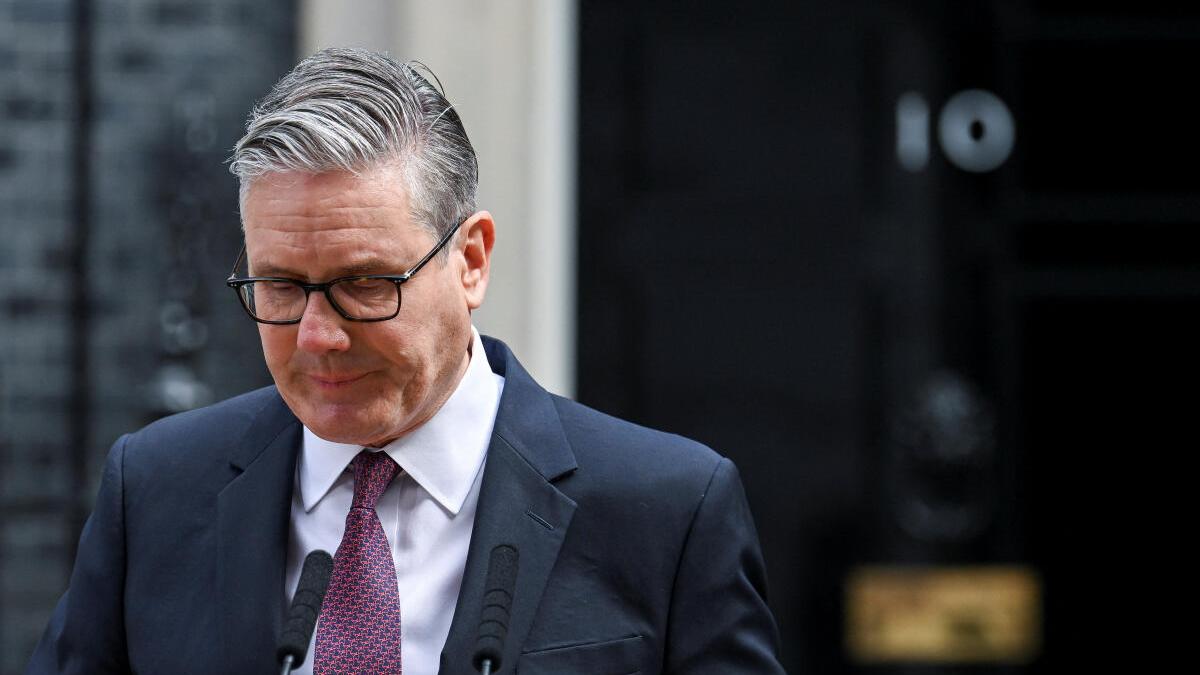
Sir Keir Starmer has officially resigned from his position as Prime Minister of the United Kingdom, confirming his intention to remain in office until a successor is appointed. His decision comes amidst mounting pressures stemming from dismal poll ratings and controversies regarding his leadership decisions, particularly his appointment of Peter Mandelson as a US ambassador last year.
With upcoming elections to the Welsh and Scottish parliaments, as well as local council elections across parts of England in May, Labour MPs had consistently voiced concerns over Starmer's ability to regain party momentum. The election results did not favour Labour, prompting several key figures, including Health Secretary Wes Streeting, to resign.
Starmer's leadership faced increased scrutiny after a prolonged dispute regarding defense spending led to the resignation of Defence Secretary John Healey earlier this month. Following these resignations, many Labour MPs publicly called for Starmer's resignation, compromising his authority to govern.
In recent developments, Greater Manchester Mayor Andy Burnham has confirmed his candidacy for leadership, gaining significant momentum following his recent by-election victory in Makerfield, where he expanded Labour's majority against Reform UK. Starmer initially resisted the idea of stepping down, claiming he would contest any leadership challenge. However, he ultimately recognised a lack of support among Labour MPs for such a move.
An official timeline for the leadership transition is yet to be established. However, Starmer indicated in his resignation speech that potential candidates will have from 9 to 16 July to garner the necessary nominations. According to the Labour Party's regulations, candidates require support from 81 Labour MPs and either from 32 local branches or three affiliated organisations, which can include trade unions.
Should Burnham be the only nominee, he could be appointed leader without a contest, thus paving the way for him to take office by mid-July. This possibility has sparked discussions among Labour MPs about Burnham's policies and leadership vision. Meanwhile, Starmer is expected to attend a NATO summit on 7 July and had also planned to participate in a UK-EU summit on 22 July, which has now been postponed.
The next Labour leader will automatically assume the role of Prime Minister without requiring a general election, as the party holds a substantial majority in Parliament. However, critics have suggested that this leadership transition lacks a mandate from Labour's members, as the party has never undertaken a full contest under its current rules while in power.
As Labour navigates these turbulent waters, the prospect of Andy Burnham becoming Prime Minister may unfold quicker than initially anticipated. However, the lack of clear policy details from Burnham during his recent campaign has raised questions among party members regarding his readiness to lead. The forthcoming weeks will determine whether Burnham will face other challengers or move into 10 Downing Street without opposition, marking yet another significant shift in UK politics since the Brexit referendum.
Concerns Rise Over Delhi Voter Registration Discrepancies
Controversy Erupts Over Rahul Gandhi's PM Modi Mimicry at Event

Father of IIT Bombay Student Calls for Action Against Discrimination
India and Japan Conduct Joint Air Exercise 'Veer Guardian-2026'