Kazakhstan Holds Snap Parliamentary Elections Amid Political Change


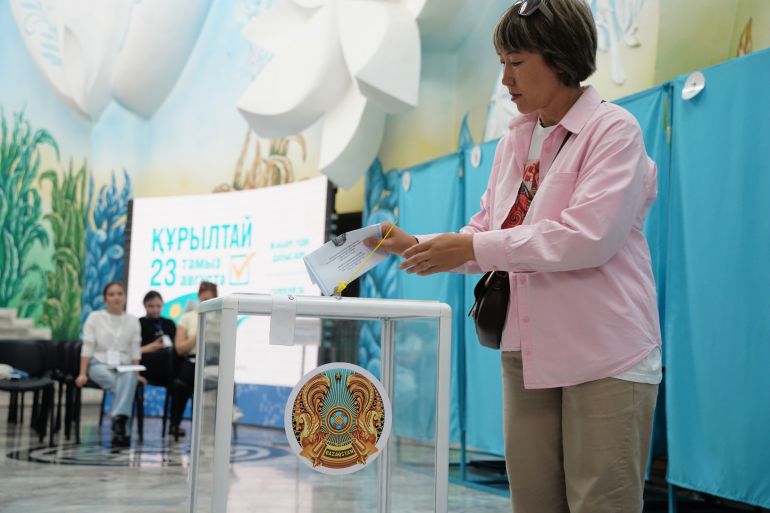
Voting has commenced in Kazakhstan for a snap parliamentary election, which is seen as a significant moment for President Kassym-Jomart Tokayev's administration. Citizens will be electing 145 representatives to the Kurultai, the nation’s newly formed unicameral legislature. This election follows major changes to the political structure, including a shift from a bicameral to a unicameral parliament, designed to enhance Kazakhstan's image as a burgeoning democracy in Central Asia.
Previously, parliamentary elections were held in 2023. Amidst efforts to consolidate political power, the current elections come in the wake of constitutional reforms. Under the new system, parties must achieve a minimum of 5 percent of the vote to gain representation in the Kurultai. President Tokayev called for this snap election immediately after the constitutional changes were enacted on July 1.
National media outlet Astana Times reports that the Kurultai will now centralise legislative powers, with laws passed through this body before being sent to the President. The reforms also stipulate that a president can serve only a single, seven-year term. However, Tokayev, having been in office since 2019, can seek another term since the legislative overhaul resets his term count. He won the previous presidential election with over 80 percent support, having faced largely unknown opponents.
International observation of the election is underway, with the Organisation for Security and Co-operation in Europe (OSCE) deploying nearly 80 observers from around 30 nations. Seven political parties are contesting in this election, including the newly established Adilet party, which has emerged to redefine political dynamics following the dissolution of the ruling Amanat party. Adilet has committed to promoting economic initiatives and improving public services, advocating a vision described as "Just Kazakhstan".
According to local reports, opinion polls indicate a likely victory for Adilet, alongside several smaller parties perceived to be sympathetic to Tokayev's governance. Meanwhile, the Aq Jol Democratic Party is focused on entrepreneurship, while the Auyl party aims to bolster rural development.
Political analyst Rustam Burnashev suggests that despite the potential for changes, the election is unlikely to indicate substantial reform within the political landscape. He notes that established candidates are not presenting new ideas or transformative agendas. Burnashev remarked, "All the parliamentary candidates are known. Nor can one say that the parliament itself will be a transformative one."
Kazakhstan faces economic challenges despite recent growth, as inflation and tax increases have affected living standards. A local fruit seller, opting to remain anonymous, expressed cautious optimism, stating, "I’ve been waiting for things to get better for 73 years, but so far, nothing has really worked out. Still, I hope that this year things will finally improve."
As the government aims to position itself as a significant democratic force in the region, foreign relations are also evolving. Kazakhstan has enhanced its infrastructure collaboration with global powers, including a recent $4.2 billion agreement with the United States for locomotive parts. While the country maintains traditional ties with Russia, it seeks to navigate a geopolitical landscape shaped by the war in Ukraine, fostering relations with both China and the European Union.
Analysts observe that Kazakhstan's new leaders may be tested in their ability to adhere to the revised legal framework and manage international partnerships. With elections now underway, all eyes will be on the outcome and its implications for the future of governance in Kazakhstan.
Kerala Initiates Probe into 2006 Suicide Case Involving CEC
Extradition of Sheikh Hasina Feasible, Says Indian High Commissioner

Punjabi Makeup Artist Mad Sandhu Shot Dead in Amritsar
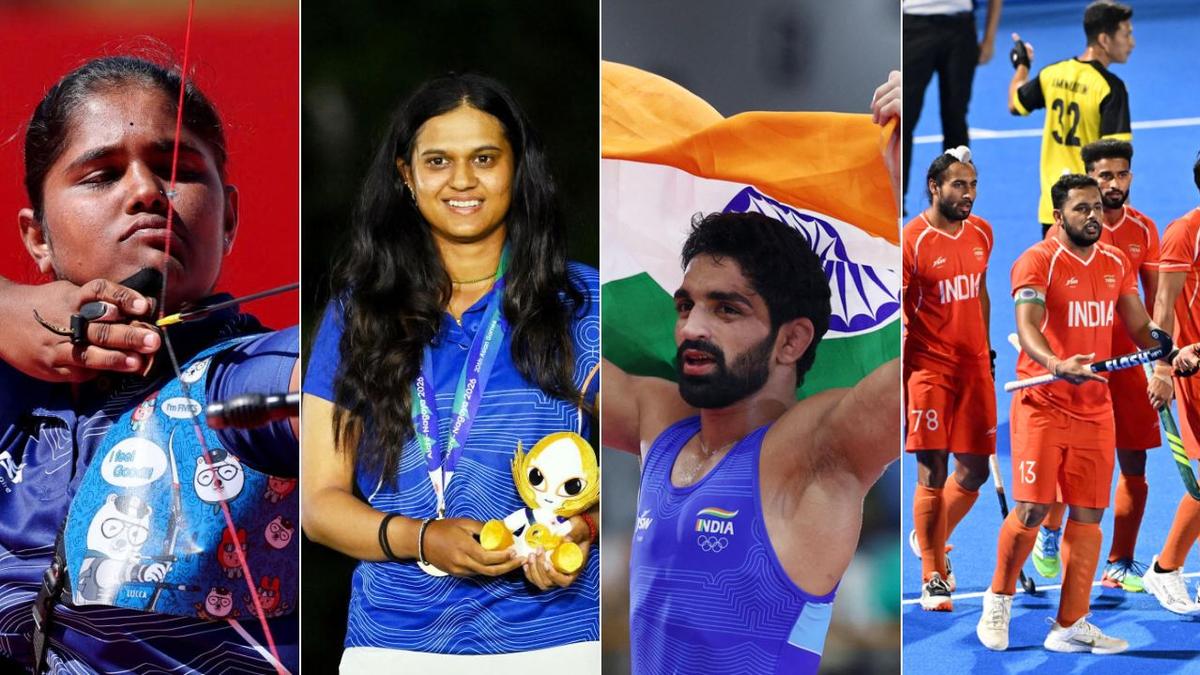
India Achieves Fourth Place at Asian Games 2026 Through Late Success