Japanese PM Sanae Takaichi Begins Three-Day Official Visit to India


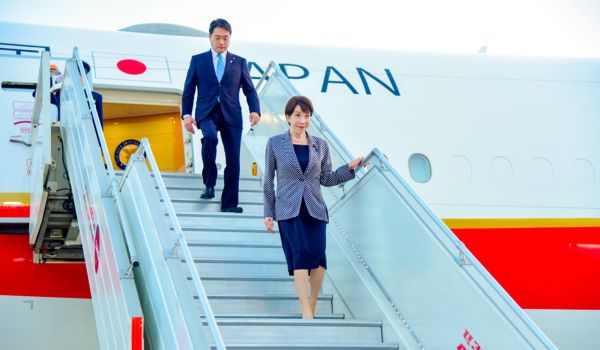
Japanese Prime Minister Sanae Takaichi arrived in New Delhi on the evening of July 1, 2026, marking her inaugural official visit to India. Minister of State Dr Jitendra Singh welcomed her upon arrival. Prime Minister Takaichi's agenda includes attending the 16th India-Japan Annual Summit the following day, where she will meet with Indian Prime Minister Narendra Modi. The summit aims to reinforce various aspects of bilateral cooperation and facilitate discussions on significant regional and global concerns.
It is anticipated that several Memorandums of Understanding (MoUs) will be signed during the talks, as the visit serves as a critical step towards advancing the Special Strategic and Global Partnership between India and Japan. The Indian External Affairs Ministry has highlighted the importance of this meeting in deepening the ties between the two nations.
One key area of collaboration is the North Eastern region of India, which has a dedicated framework for advancement related to Japan, known as the India-Japan Act East Forum. Japan has been actively involved in numerous developmental projects in this area, including infrastructure development, energy, urban renewal, agriculture, tourism, and skill enhancement.
The North Eastern region is viewed as integral to Japan’s vision of a Free and Open Indo-Pacific, serving as a vital link between South Asia and Southeast Asia. Since 2025, there have been numerous high-level visits between Japanese officials and leaders from the North Eastern states. Notably, Japan's State Minister for Foreign Affairs, Iwao Horii, met with Chief Ministers of Meghalaya and Assam earlier this year. In turn, the Chief Minister of Meghalaya visited Japan in April, resulting in an agreement for skill training and employment opportunities for 5,000 youth from the state.
Additionally, in January 2025, the Chief Minister of Assam signed an MoU with ASEAN One, committing to train 20,000 youth over five years. In 2024, Meghalaya hosted the Cherry Blossom Festival in Shillong, with Japan as the partner country, showcasing cultural similarities and potential cooperation.
As the partnership evolves, India and Japan are focusing on strengthening their strategic alliance amid global economic disruptions and increasing Chinese influence in Asia. Historical ties between the two countries date back to post-World War II when India was among the first nations to engage with Japan. In 1952, they signed a peace treaty, and India became the first beneficiary of Japanese development loans in 1958.
In recent years, the relationship has shifted from financial assistance to collaborative investment and strategic partnerships, particularly in light of challenges posed by global economic dynamics. The strategic partnership was solidified in 2014 when the official ties were upgraded to a Special Strategic and Global Partnership, culminating in the 'Japan & India Vision 2025' that seeks to promote prosperity and peace in the Indo-Pacific region.
Both countries aim to balance China’s growing influence while simultaneously seeking constructive cooperation where possible. The enhanced relationship is reflected in collaborative projects, including those focused on infrastructure and trade, which have grown significantly over the years. Indonesia is currently Japan's 14th largest trading partner, while Japan ranks as India's 10th, suggesting a mutually beneficial partnership that is still in the process of expansion.
As the leaders of both nations meet, the outcomes of this summit are being closely watched, as they may set the tone for future collaboration in various sectors that include defence, economy, and strategic regional interests.
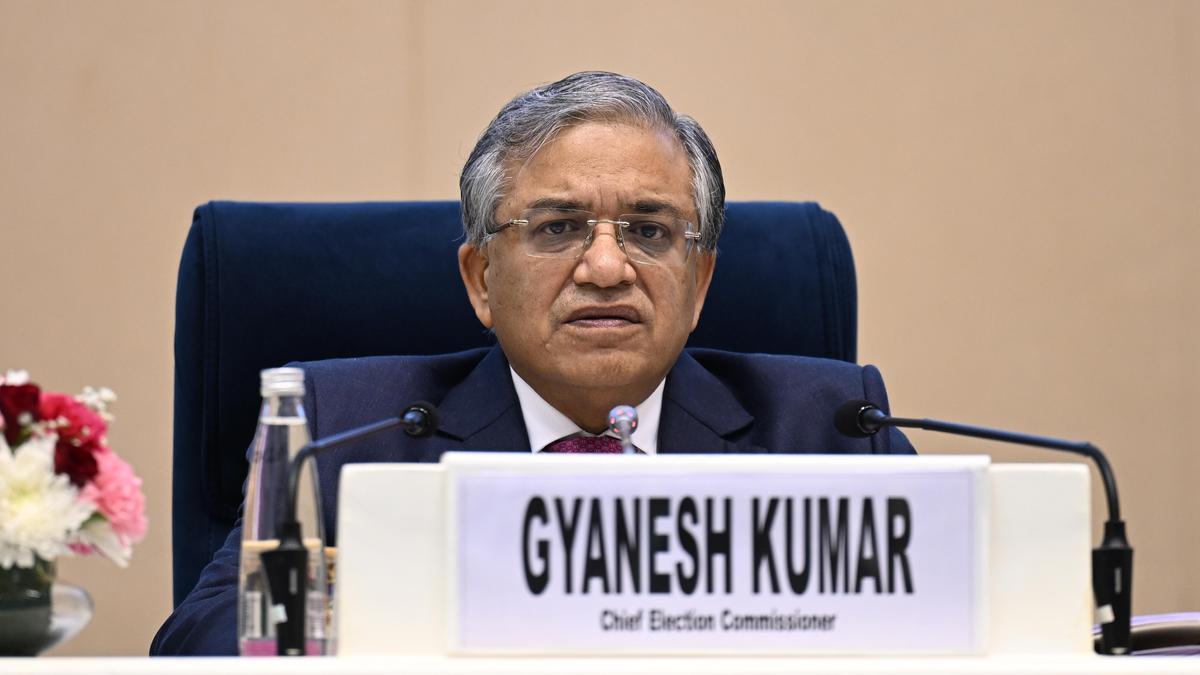
Supreme Court to Consider Plea Against Chief Election Commissioner

Fratricide Incident in Jammu and Kashmir Claims Four CISF Lives
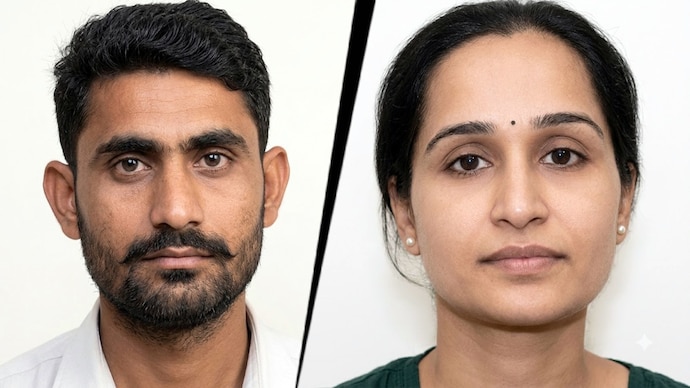
Three Residents from Gujarat Missing After Alleged Kidnapping in Ethiopia
Supreme Court Justice Dedicates Judgment to Late Law Clerk